Best Books About Addiction That Get the Logic Right
The best addiction fiction earns its subject by getting the internal logic right -- why the substance or behavior makes sense from the inside -- rather than simply documenting consequences. These books do not moralize. They illuminate.
May 2026 · 7 min read · The Pagesmith
Most addiction narratives are cautionary tales: a person begins using, the use escalates, the consequences accumulate, rock bottom arrives, and the narrative moves toward recovery or tragedy. That arc is real and important, but it tends to produce books about addiction seen from the outside — books that document what addiction does rather than what it feels like to be inside it. The books here approach the subject differently. They are interested in the logic of addiction: why the substance or behavior makes sense from within the reality it creates, what it provides that nothing else does, and why the decision to stop is more complicated than the decision to stop. None of them moralize, and none of them pretend that understanding the logic is the same as endorsing the behavior. They earn their subject by getting it right.
The Specific Thing Addiction Fiction Gets Wrong
The standard addiction narrative produces its moral clarity by showing consequences: the destroyed relationships, the physical deterioration, the opportunities missed. Those consequences are real and matter. What they miss is the subjective experience of the state before the consequences arrive — the period when the substance or behavior is doing what it was recruited to do. Shuggie Bain is one of the best addiction novels because Douglas Stuart understands that Agnes’s alcoholism is not simply self-destruction; it is a response to specific conditions that the alcoholism provides relief from, however temporarily and at whatever cost. Getting that logic right does not excuse or romanticize the behavior. It makes it comprehensible, which is the precondition for any real understanding.
Addiction makes sense from the inside. The best addiction fiction understands what it is for — what problem it solves or what pain it manages — and refuses to pretend that stopping is simply a matter of deciding to stop.
The Books
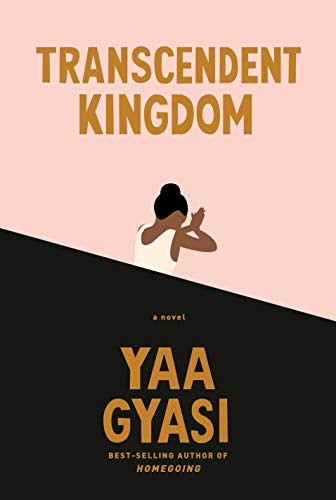
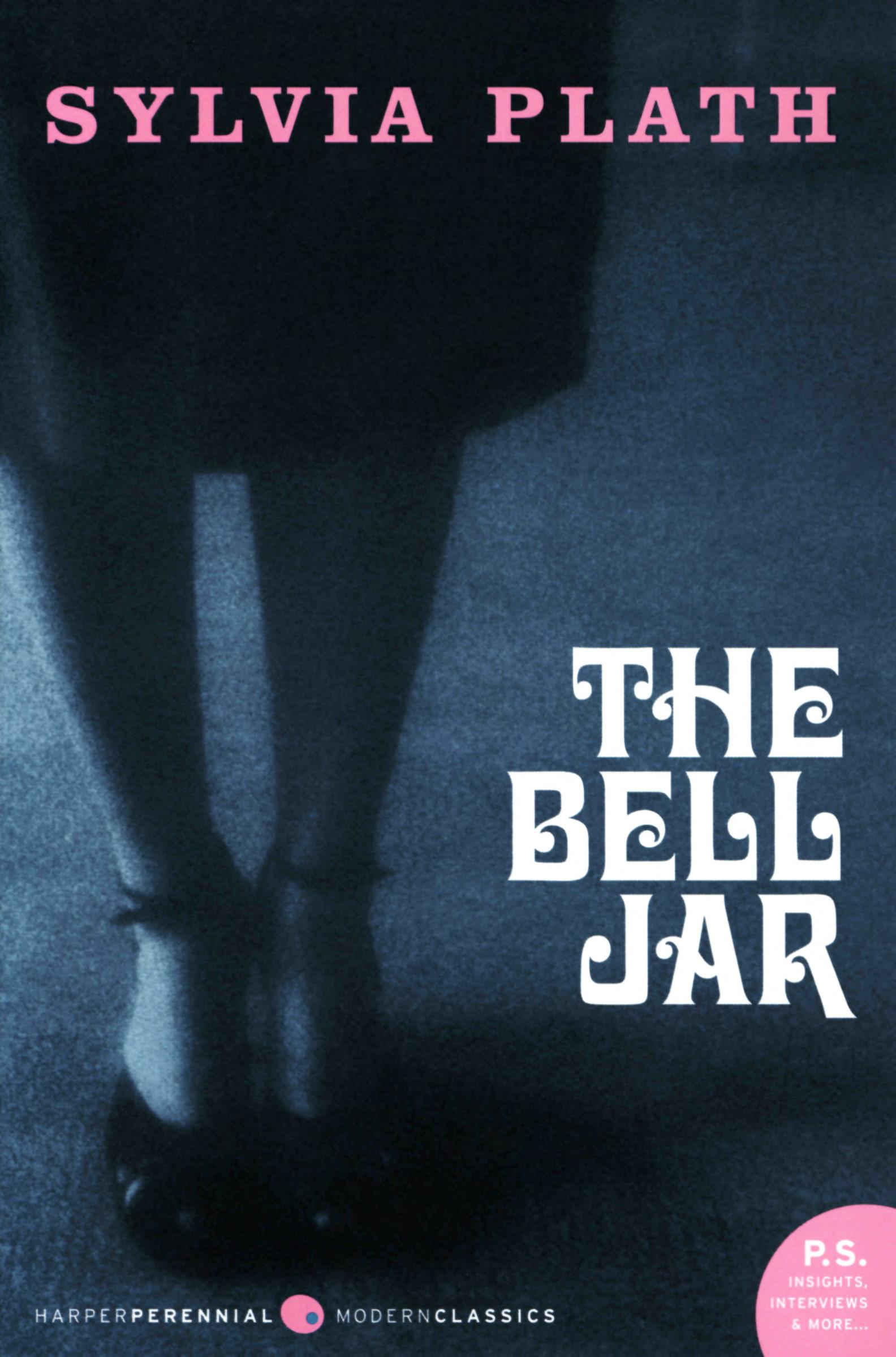
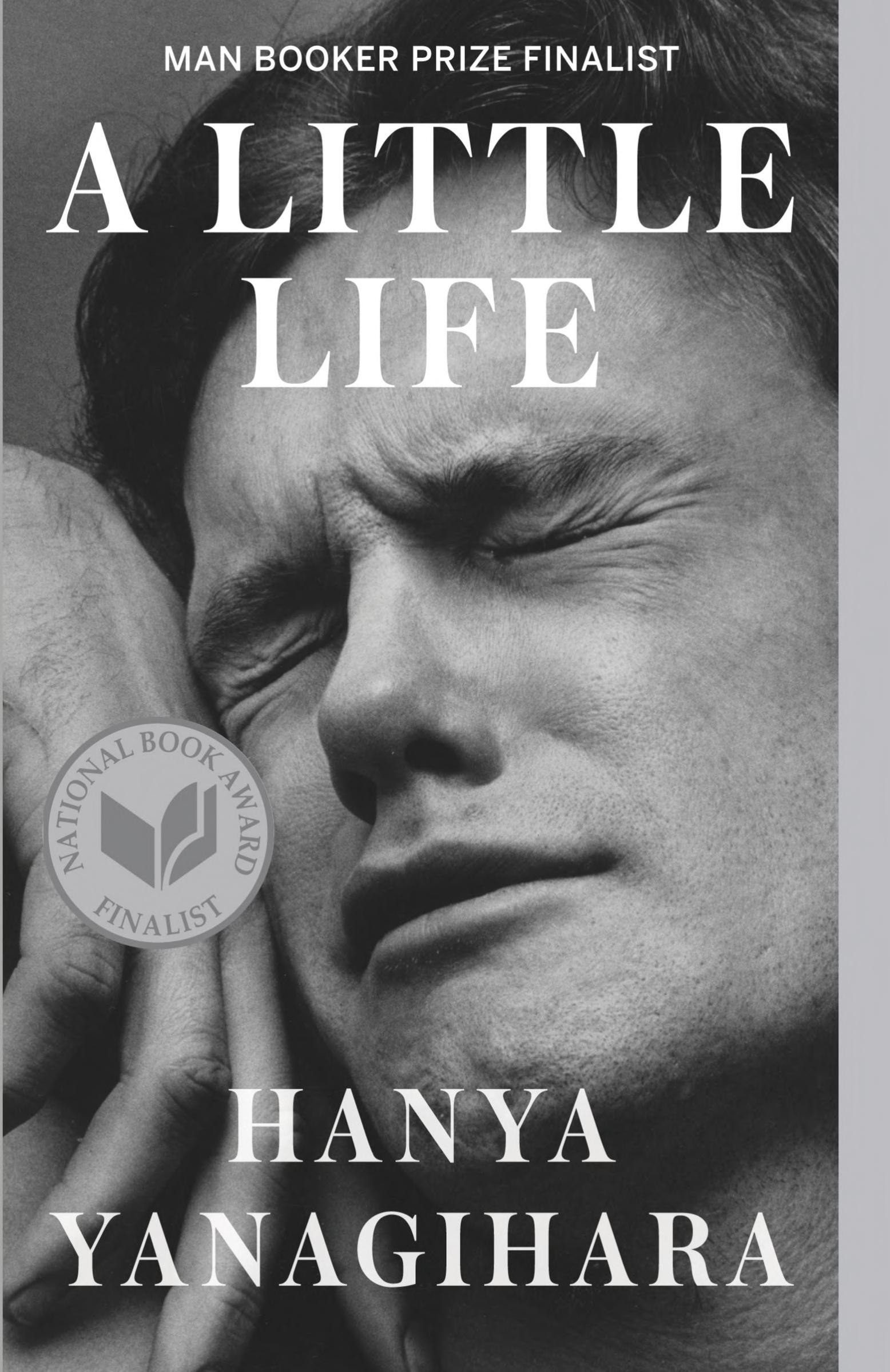
Shuggie BainDouglas StuartThe most fully realized account of alcoholism in recent fiction, and the one that most completely refuses the cautionary tale structure. Agnes Bain’s alcoholism is rendered as a response to specific historical conditions — deindustrialization, poverty, the specific social death of a woman in Thatcher’s Glasgow who had been told she was beautiful and then had that beauty used against her — and Stuart never allows the reader to detach the addiction from its context. The novel’s emotional devastation comes not from showing how bad the addiction is but from showing how thoroughly Shuggie understands it and loves her anyway. The most honest account of what it is like to be close to an addict rather than to be one. Transcendent KingdomYaa GyasiThe most scientifically rigorous account of addiction on this list, and the one that most effectively bridges the gap between understanding addiction as chemistry and understanding it as human experience. Gifty is studying the neuroscience of reward and compulsion in a Stanford lab while her mother lies catatonic in her childhood bedroom — the same depression that preceded her brother Nana’s opioid addiction. Gyasi uses the science not to reduce addiction to a brain disorder but to make the question more precise: if the compulsion has a neurological mechanism, what does that mean for agency, responsibility, and the possibility of change? The novel’s argument is that science and faith are both inadequate to the full complexity of what addiction does to a family. Angela’s AshesFrank McCourtMcCourt’s memoir is not primarily an addiction narrative, but Malachy McCourt’s alcoholism is the engine of the family’s poverty in a way that makes the book essential to this list. What McCourt does — and what almost no other writer on this subject manages — is render an alcoholic father with something approaching full humanity: the charm, the warmth, the moments of genuine tenderness, the patriotic sentimentality, and the absolute inability to put his family before his addiction. The voice is wry rather than bitter, which is the more honest register. The memoir is also the clearest account available of what poverty does to addictive behavior — how conditions that addiction cannot solve but can temporarily relieve also prevent the stability that recovery requires. The Bell JarSylvia PlathIncluded here not for substance addiction but for the compulsive loop of depression, which Plath renders with the same internal logic that the best addiction writing captures. Esther Greenwood’s breakdown is not a simple descent — it is a cycle with its own grammar, in which the condition recruits thoughts that justify its continuation, in which the prospect of recovery carries its own terror, and in which the outside world’s attempts at intervention produce resistance rather than relief. The bell jar itself is the perfect metaphor for what addiction does: a self-sealing system that generates its own atmosphere. Plath gets the phenomenology right in a way that clinical accounts of depression rarely do. Maybe You Should Talk to SomeoneLori GottliebGottlieb’s memoir provides the therapeutic framework that the other books on this list call for but do not supply. As both a therapist treating patients with compulsive patterns and a person in therapy herself, she has access to both sides of the dynamic: what the compulsion provides, why people resist giving it up, and what change actually looks like from inside the process rather than in retrospect. Several of her patients have addictions in the conventional sense; all of them have compulsive attachments to behaviors or beliefs that are making their lives worse and that they cannot simply decide to abandon. The most practically useful book on this list for anyone trying to understand the mechanics of compulsion and change. A Little LifeHanya YanagiharaThe most demanding book on this list, and the one that most directly addresses addiction to self-destruction as a coping mechanism for trauma. Jude St. Francis’s self-harm is rendered with an uncomfortable intimacy — Yanagihara stays inside the logic of why it provides relief, what it manages that nothing else manages, and why the people who love him cannot simply argue him out of it. The novel has been criticized for its intensity, and the criticism is not wrong — this is a book that insists on the reader’s discomfort. What it does in exchange is make the internal logic of compulsive self-destruction more legible than almost anything else written on the subject, and it refuses the recovery narrative as a structural requirement. Who This Is For
Readers who have been close to addiction — in their own lives or in someone else’s — and who want fiction and memoir that renders the experience with honesty rather than moral distance. Also readers who find cautionary tale addiction narratives unsatisfying because they explain consequences without explaining why the behavior persists in the face of them. The literary fiction and nonfiction catalogues have more in this territory.
Frequently Asked Questions
Q: What is the best book about addiction for someone who has never experienced it?
A: Shuggie Bain is the most accessible entry point because it renders the addiction from the outside — through Shuggie’s eyes rather than Agnes’s — which means the reader experiences it as a witness rather than as a participant. Maybe You Should Talk to Someone is the most clinically illuminating without being technical. Both are good starting points.
Q: Is A Little Life appropriate for sensitive readers?
A: No. A Little Life contains extended depictions of self-harm, sexual abuse, and psychological trauma that are deliberately unflinching. The novel has significant content warnings across all of these areas. It is included here because it is the most honest fictional account of compulsive self-destruction available, but it is not a comfortable read and should not be approached as one.
Q: What should I read after Shuggie Bain if I want more on the same subject?
A: Angela’s Ashes addresses alcoholism in a family from the child’s perspective with a similar combination of love and clear-eyed honesty. Transcendent Kingdom approaches the opioid crisis from the perspective of a sibling who became a neuroscientist partly to understand what happened to her brother.
Q: Are there good nonfiction books about addiction on this list?
A: Maybe You Should Talk to Someone is the primary nonfiction entry, addressing compulsion and therapy from both sides of the therapeutic relationship. Angela’s Ashes is memoir and approaches alcoholism through family experience rather than clinical analysis. Both are highly readable.
Not sure which of these is right for you specifically? The Pagesmith quiz matches you to books based on your mood, pacing preference, and reading goals, not bestseller lists. Takes two minutes.