Best Books About Family Secrets That Refuse Easy Resolution
The best family secret fiction is not organized around revelation -- around the moment the secret comes out and everyone finally knows. It is organized around what the secret has cost while it was being kept, and what keeping it required of the people who held it.
June 2026 · 8 min read · The Pagesmith
Family secret fiction has a structural temptation: the revelation. The secret is discovered, the truth comes out, the family is forced to reckon with what it has been concealing, and the drama of the reveal provides the novel’s climax. The books here resist this structure because they understand that what is interesting about a family secret is not the moment it ends but the shape it gives to everything that preceded that moment. A secret held across decades is not a single concealed fact; it is a practice, a daily maintenance of an alternative version of reality, that has required specific choices and specific suppressions from every person who participated in the keeping. The books here are all interested in that practice — what it does to the people inside it, what it requires them to become, and what is discovered in the aftermath that cannot be recovered regardless of how completely the truth is finally told.
What Family Secrets Actually Conceal
The surface content of a family secret — an illegitimate child, a criminal past, a betrayal, a disease — is never as interesting as the structure of concealment that accumulated around it. The secret requires the keeper to construct and maintain an alternative narrative, to direct the attention of the people around them, to make choices that serve the maintenance of the secret rather than their own interests or the interests of the people they are keeping it from. Over decades, that structure of maintenance becomes part of the family’s identity — the thing they have in common is the thing they are not saying — and the secret has shaped the family as thoroughly as any openly acknowledged history. The books here are all interested in that shaping: not what the secret was but what keeping it required.
A family secret is not a single concealed fact. It is a sustained alternative reality that the family has agreed, explicitly or implicitly, to maintain — and that maintenance shapes who they become at least as much as the truth being concealed.
The Books
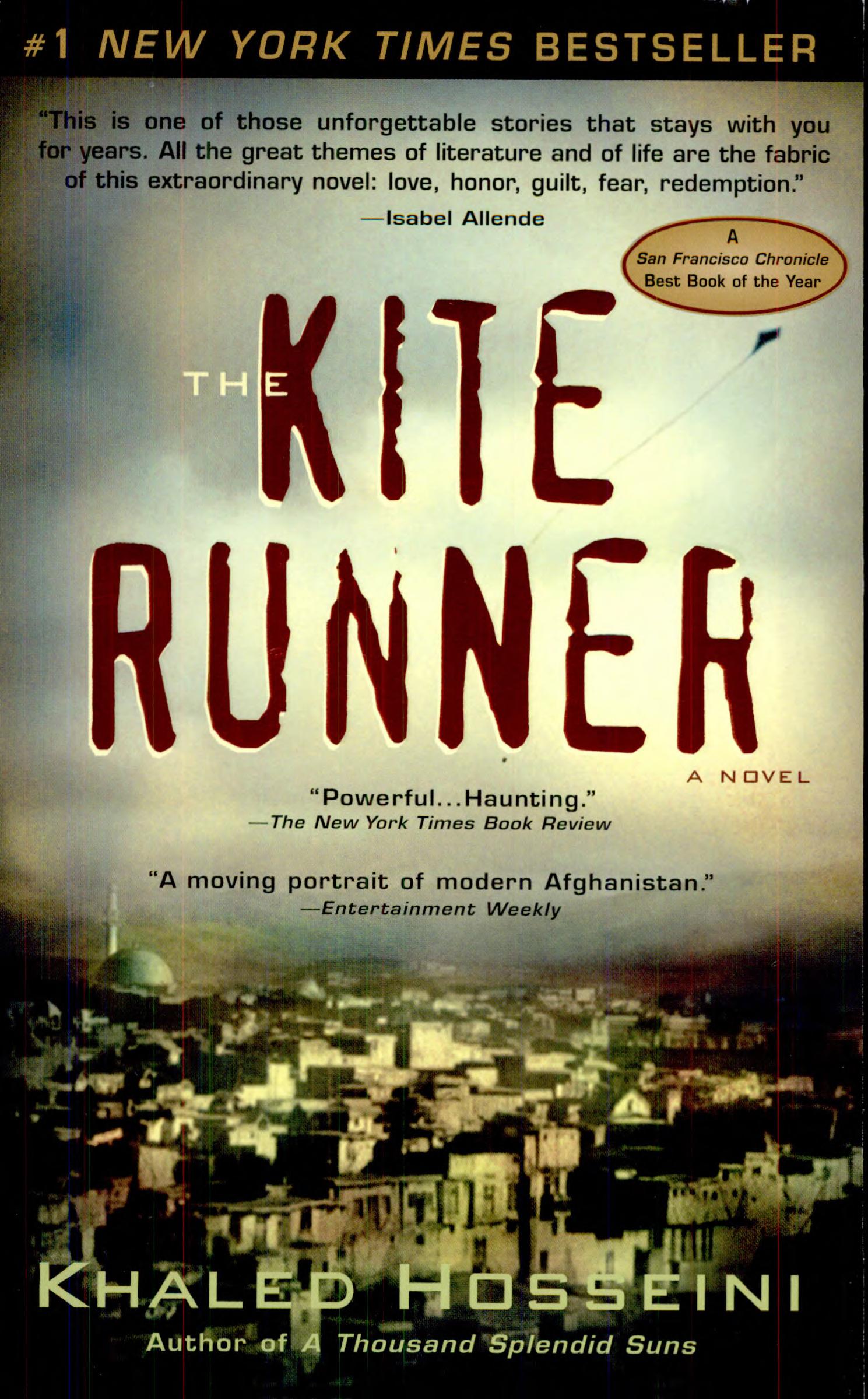
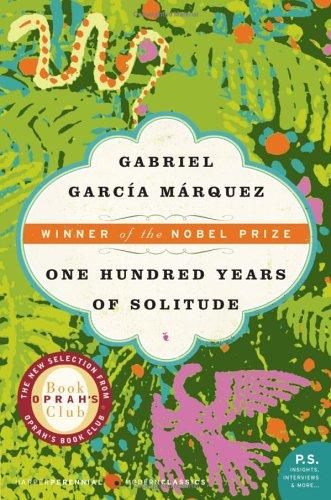
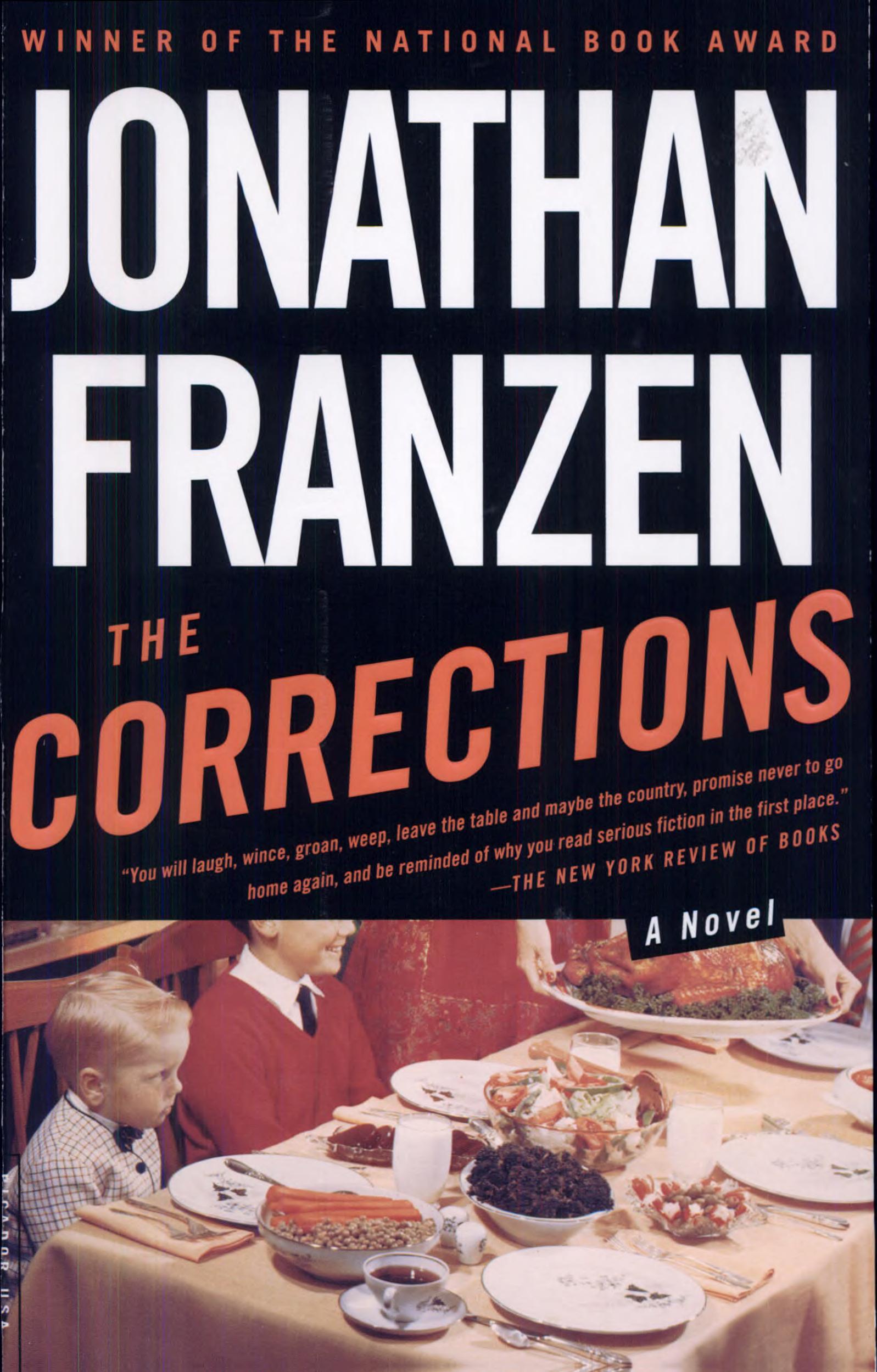
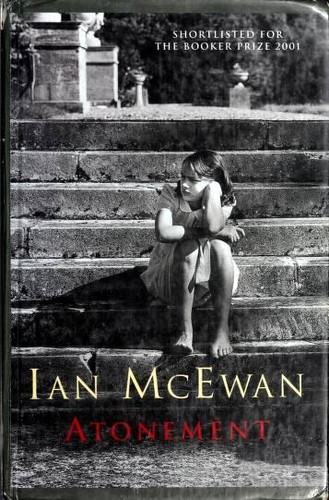
The Dutch HouseAnn PatchettPatchett’s novel is organized around a secret that is less a single concealed fact than a collective family mythology: the story Danny and Maeve have been telling themselves about their childhood in the Dutch House, their father, and their stepmother is not quite true, and the novel is about the cost of discovering how much of it was constructed rather than experienced. Patchett understands that families do not only keep secrets from each other; they keep secrets from themselves, organizing their shared narrative around what they can bear to have been true. The Dutch House is the container for a version of the past that the siblings need in order to explain themselves to themselves — and the cost of the house’s loss is partly the loss of the version of their past that living in it sustained. The Kite RunnerKhaled HosseiniHosseini’s novel contains two family secrets: the one Amir keeps about what happened to Hassan in the alley, and the one Baba keeps about Hassan’s parentage. Both secrets require daily maintenance and both shape everything that follows from the moment of concealment. What makes Hosseini’s treatment distinctive is that the novel is organized not around the revelation but around what the secret cost before it was revealed — specifically, what it cost Amir to live as the person who made the choice he made, and what maintaining the secret required him to become in the decades between the alley and Afghanistan’s destruction. The most emotionally direct account on this list of what keeping a secret does to the keeper over a lifetime. One Hundred Years of SolitudeGabriel Garcia MarquezGarcia Marquez’s multigenerational novel is organized around the most complete version of the family-secret-as-structure: the Buendia family’s compulsive repetition — the same names, the same obsessions, the same failures — across seven generations is the product of a family that has never processed what it actually is and what it has actually done. The magical realism is the formal equivalent of the secret’s distorting effect on reality: in a family that cannot look directly at itself, the supernatural and the natural become indistinguishable. The incest prohibition that haunts the novel is the literalization of the secret that every family carries — the thing that must not happen that keeps threatening to happen — and Macondo’s final destruction is the consequence of secrets held so long they have warped the family’s relationship to reality itself. The CorrectionsJonathan FranzenThe Lambert family’s secrets are not dramatic in the conventional sense — no buried crimes, no illegitimate children — but they are as structurally constitutive as anything in more operatically secret-organized fiction. Alfred’s concealment of his Parkinson’s and what it is doing to his capacity for self-control, Enid’s concealment of the extent to which the marriage is untenable, Gary’s concealment of his depression, Chip’s concealment of his serial failures: all require daily maintenance, all shape how each family member relates to the others, and all produce the specific quality of Lambert family interactions — the careful management of what can and cannot be acknowledged in the same room. Franzen’s achievement is making domestic secret-keeping feel as consequential as any more dramatic version of the same structure. HomegoingYaa GyasiGyasi’s multigenerational novel operates at the scale where family secrets become historical secrets: the two half-sisters who are separated at the beginning of the novel carry a secret from each other that they never discover — they do not know the other exists — and the novel traces what each line inherits from the concealment of the family’s origin. The secrets in Homegoing are not individual choices but structural conditions: the slave trade, Jim Crow, mass incarceration each operate as the concealment of what American society has been doing while presenting itself as something else. For readers who want the family-secret structure applied at historical scale, where the secret being kept is not a personal shame but a civilizational one. AtonementIan McEwanMcEwan’s novel is the most formally innovative entry on this list: the family secret here is not a concealed fact but a concealed act of witness, and what is being kept is not a truth but a lie that has been so thoroughly incorporated into the keeper’s self-narrative that she can no longer separate the lie from herself. Briony’s false testimony destroys Robbie’s life and her own, and the atonement of the title is her attempt, through fiction, to restore what she cannot restore in reality. The novel’s argument about what secrets cost the people who keep them is made through the specific form that a lifetime of keeping this secret took — the novelist who spent her career trying to undo what she did, and the question of whether fiction can atone for what the real world cannot. Who This Is For
Readers who want fiction organized around what family secrets cost over time rather than around the drama of their revelation — who are more interested in the structure of concealment and its effects than in the plot mechanics of discovery. Also readers who find most family secret thrillers too organized around the twist and who want the family secret treated as the subject of sustained moral and psychological examination. The literary fiction catalogue has more in this direction.
Frequently asked questions
Q: What is The Dutch House about?
A: Danny Conroy narrates the history of his wealthy Pennsylvania family across several decades — specifically the Dutch House, the mansion his father bought and his stepmother eventually took, and what its loss meant for Danny and his sister Maeve. The novel is about the mythology the siblings built around their lost childhood and what happens when they understand that mythology more completely. It was an Oprah Book Club pick and spent months on the bestseller list.
Q: Does Atonement have a happy ending?
A: The novel has an ending that is simultaneously devastating and honest, and whether it is happy depends on how the reader weighs its specific resolution. McEwan refuses the conventional options: neither full tragedy nor full redemption. What he offers instead is the most honest account available of what certain kinds of damage allow and what they preclude.
Q: Is One Hundred Years of Solitude appropriate for readers who struggle with non-linear narrative?
A: The novel is chronologically sequential despite its magical elements, which makes it more accessible structurally than its reputation suggests. The challenge is not the timeline but the volume of characters — the repeating names across generations require the reader to hold many people in mind simultaneously. A family tree at the front of the novel helps, and most editions include one.
Q: What should I read after The Corrections if I want more Franzen?
A: Freedom applies the same double-exposure method — intimate sympathy and diagnostic clarity simultaneously — to a different family and a more explicitly political subject. It is generally considered Franzen’s second-best novel. Crossroads is longer and more ambitious but begins a trilogy he has not yet completed; Freedom or The Corrections are better stopping points for readers who want a complete experience.
Not sure which of these is right for you specifically? The Pagesmith quiz matches you to books based on your mood, pacing preference, and reading goals, not bestseller lists. Takes two minutes.