The best books about grief are not books that resolve it. They’re books that map it accurately — the way it moves in waves rather than stages, the way ordinary objects become unbearable, the way time does something strange. If you’re looking for that specific kind of book, the ones below are the ones that earn it.
What good grief literature actually does
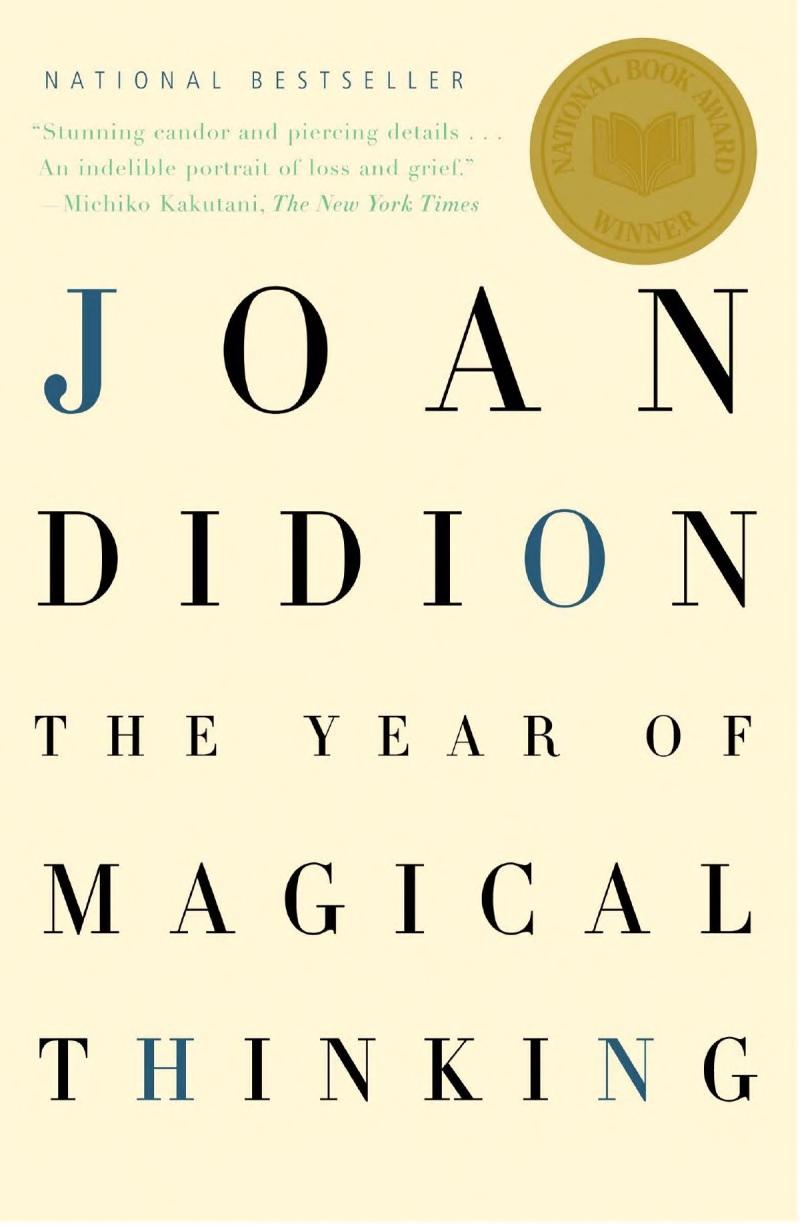
The worst grief books offer comfort. The best ones offer recognition — the specific shock of reading something that describes exactly what you’re experiencing and knowing, for the first time, that someone else has been there. Joan Didion described this as the reason she wrote The Year of Magical Thinking: not to process her own grief, but because she had needed that book herself and it didn’t exist yet.
The books below range from memoir to novel to quiet fiction, but they share that quality. None of them pretend grief resolves. All of them take loss seriously enough to look at it straight.
The right grief book doesn’t fix anything. It confirms that someone else has mapped this exact territory — and survived it.
If you want memoir: grief in first person
Two of the most honest books ever written about loss are memoirs, and for good reason. The first-person voice has access to interior experience that fiction has to work harder to reach.
If you want fiction: grief as the landscape
Some novels don’t announce themselves as grief books but are structured entirely around it. Loss shapes the narrator’s perception so completely that the entire world of the novel looks different because of it.
If you want something gentler: grief without collapse
Not everyone reading about grief is in the acute phase. These books take loss seriously but arrive at something like warmth — without pretending the loss wasn’t real.
The one that’s about something else entirely — but isn’t
Who this is for
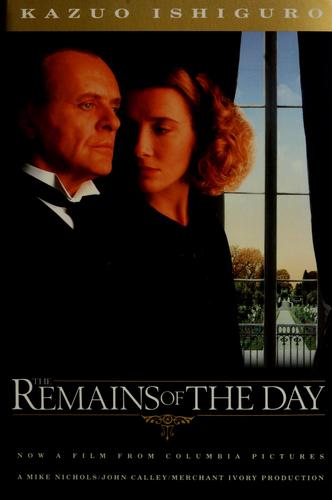
This list is for readers who want books that take loss seriously — not books that resolve it tidily or offer easy consolation. If you’re in acute grief, start with Didion or Kalanithi — both are short, both are honest, and both have the particular quality of making you feel less alone in something that is usually experienced in complete isolation. If you’re further from it, Hamnet or The Remains of the Day. Browse more in literary fiction and contemporary fiction for further reading.
Frequently asked questions
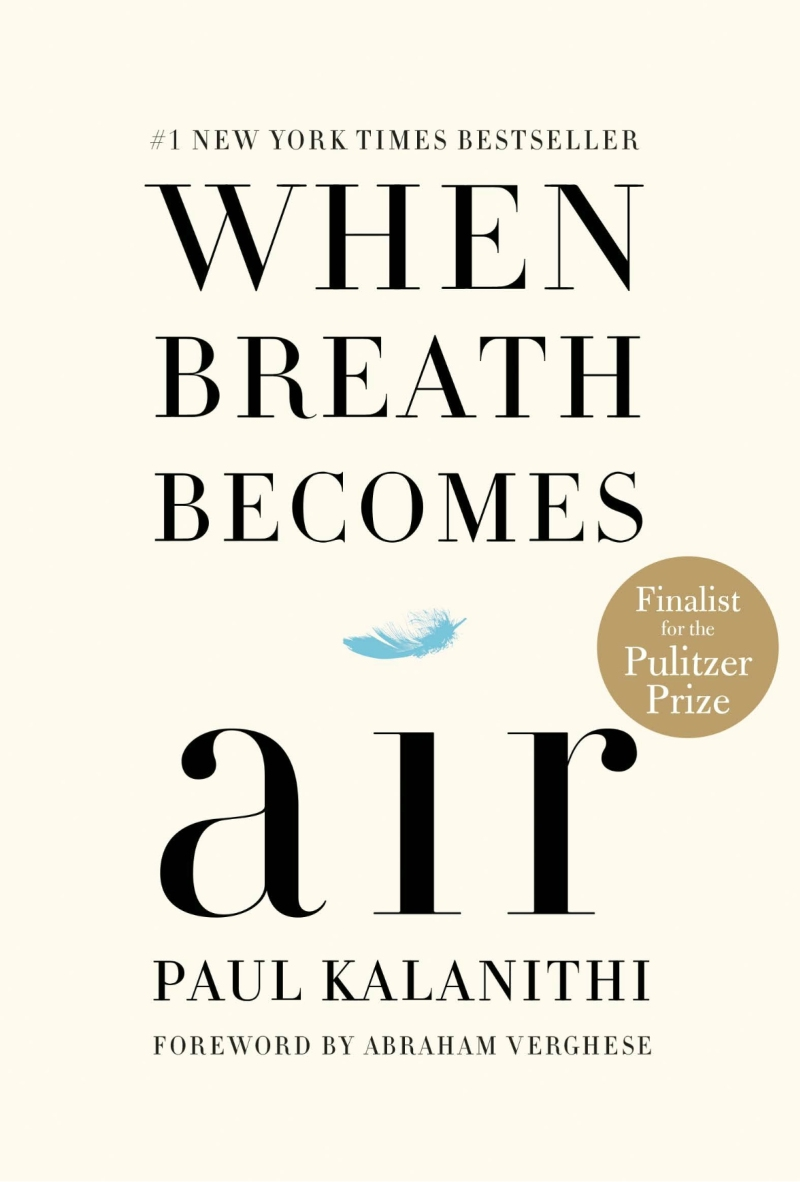
Q: What are the best books to read when grieving? A: The most frequently recommended are The Year of Magical Thinking by Joan Didion (for acute grief after losing a partner) and When Breath Becomes Air by Paul Kalanithi (for grief around illness and mortality). Both are short, honest, and written from direct experience rather than at a remove.
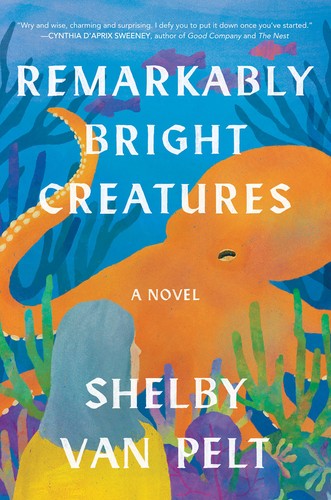
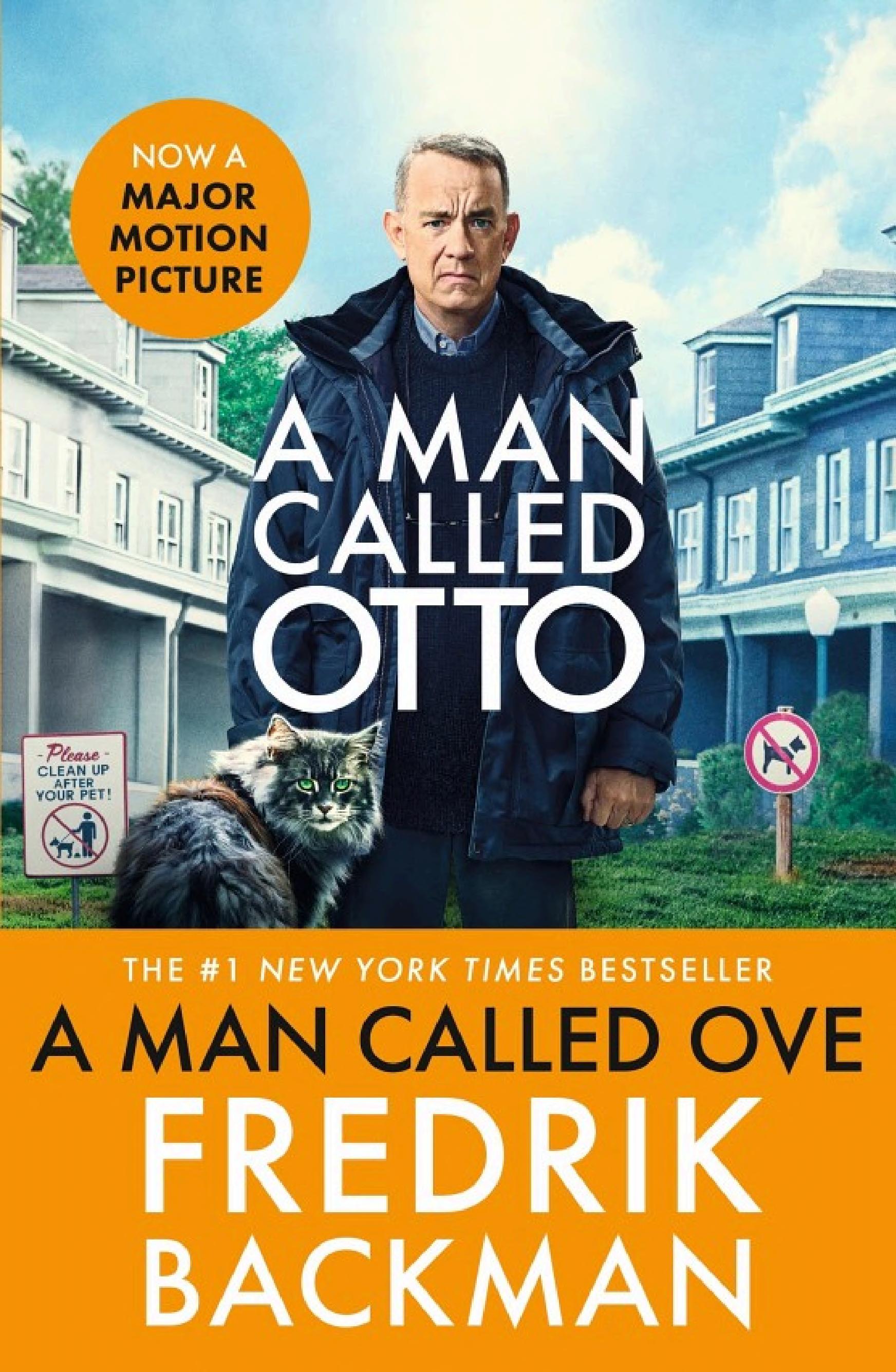
Q: Are there fiction books about grief that aren’t depressing? A: A Man Called Ove by Fredrik Backman and Remarkably Bright Creatures by Shelby Van Pelt both deal centrally with grief while arriving at genuine warmth. Neither pretends the loss wasn’t real, but both find something worth returning to on the other side of it.
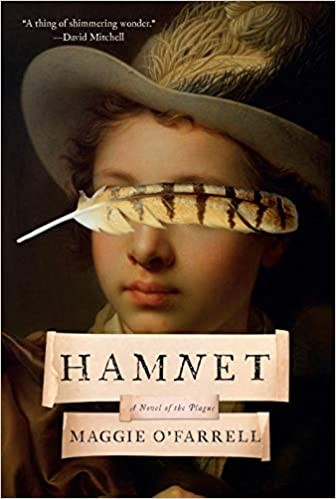
Q: What is the best novel about losing a child? A: Hamnet by Maggie O’Farrell is the most precise and beautiful novel about parental grief written in recent decades. The Road by Cormac McCarthy addresses the same terror from the opposite direction — not the loss of a child but the fear of it.
Q: What should I read after The Year of Magical Thinking? A: Hamnet for more literary grief fiction, or When Breath Becomes Air for another memoir that approaches mortality with the same unflinching honesty. Didion’s follow-up Blue Nights addresses grief for a child and is equally essential.
Not sure which of these is right for you specifically? The Pagesmith quiz matches you to books based on your mood, pacing preference, and reading goals — not bestseller lists. Takes two minutes.