Best Books About Justice That Ask the Hard Questions
The most serious books about justice are not about whether the system works. They are about what justice actually requires -- which turns out to be something the legal system was not designed to deliver.
May 2026 · 7 min read · The Pagesmith
Most courtroom fiction asks whether the verdict will be correct. The best books about justice ask a harder question: what would justice actually require, and is that something the legal system is capable of delivering? The distinction matters because a trial can produce a legally correct verdict while failing to deliver anything resembling justice, and a verdict can be just in a narrow procedural sense while leaving the underlying conditions that produced the crime entirely intact. The books here are interested in that gap — between legality and justice, between individual culpability and systemic responsibility, between what courts are designed to determine and what the people inside them actually needed. Some are nonfiction accounts of specific cases. Some are fiction. All of them make the argument that justice is a more demanding concept than the legal system typically acknowledges.
Why Justice Fiction at Its Best Indicts the System
The failure mode for legal drama is the individual case: a specific wrong, a specific defendant, a specific verdict. That structure produces compelling narrative but tends to suggest that injustice is a product of individual error — corrupt judges, biased juries, inadequate representation — rather than of the system’s design. The books here push further. Bryan Stevenson does not just argue that Walter McMillian was wrongly convicted. He argues that the conditions that produced McMillian’s wrongful conviction are structural and ongoing. Richard Wright does not just show what Bigger Thomas did. He shows what produced Bigger Thomas. The most serious justice fiction understands that the individual case is the entry point into a systemic argument.
The legal system is designed to determine guilt or innocence within a defined framework. Justice is a moral concept that operates outside that framework. The books here understand the difference and refuse to let the first substitute for the second.
The Books
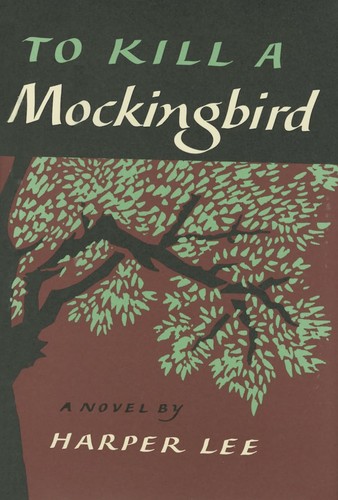
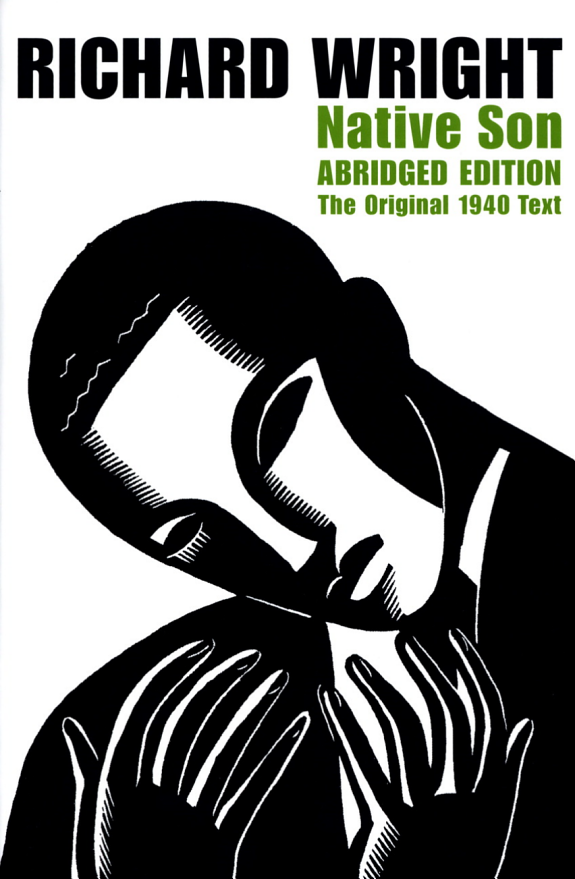
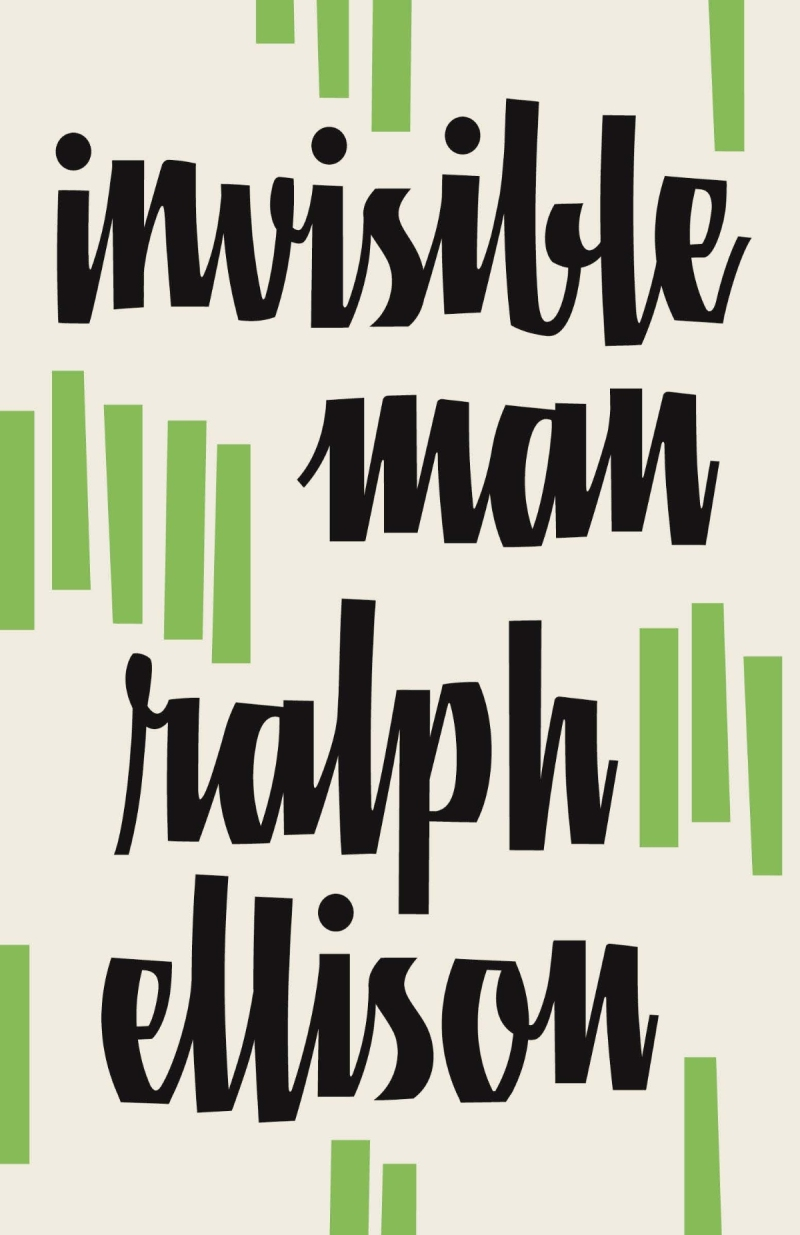
Just MercyBryan StevensonThe most important nonfiction book about the American criminal justice system of the past twenty years, and the one that most effectively makes the structural argument through individual cases. Stevenson’s account of founding the Equal Justice Initiative and working to exonerate Walter McMillian from death row is meticulously documented and morally serious — he is not just arguing that McMillian was wrongly convicted but that the conditions producing wrongful convictions of poor, Black defendants are systemic and persistent. The book is also a memoir of what it costs to do this work over a career, which gives the abstract argument a human weight that data alone cannot provide. To Kill a MockingbirdHarper LeeIncluded here because it needs to be read in its full complexity rather than its most comfortable version. The novel is not primarily about Atticus Finch as a heroic defense attorney; it is about what happens when one principled man operates with integrity inside a system that is structurally designed to produce injustice. Tom Robinson is convicted despite the evidence because the jury is white and the defendant is Black, and Atticus Finch’s integrity does not change that outcome. Lee’s novel is more pessimistic than its reputation as a comfort book suggests, and its argument about individual moral courage within a corrupt system is more complicated than most readers remember from high school. The TrialFranz KafkaKafka’s novel is the most philosophically precise account of what happens when a legal system operates outside accountability and cannot be appealed. Josef K.’s crime is never named, the court cannot be located, the procedure cannot be understood, and the system’s logic is internally consistent and entirely impenetrable. The novel is not satire in the conventional sense — it is a description of what happens when institutional logic is fully severed from any standard outside itself. Read alongside Just Mercy, it clarifies what Stevenson is arguing about at the structural level: a system that has become self-referential, where legality and justice have diverged so completely that the former operates without any necessary relationship to the latter. Native SonRichard WrightWright’s novel makes the most direct argument on this list: that the legal process applied to Bigger Thomas is incapable of delivering justice because it lacks any mechanism for addressing what produced him. The trial in the novel’s third section is meticulously rendered and structurally correct — the prosecution’s argument is not legally wrong — and it is simultaneously a complete failure of justice because it treats the individual act without the context that makes the act comprehensible. Max’s defense is an attempt to introduce that context, and its failure illustrates Wright’s central argument: that a legal system operating inside a racist society will always process its victims individually while the structure that produced them remains invisible to the proceedings. CasteIsabel WilkersonWilkerson provides the structural framework that makes the other books on this list legible as a system rather than a series of individual failures. Her argument — that America operates a caste system that determines the distribution of justice as surely as it determines the distribution of wealth — explains why the legal system produces the outcomes that Just Mercy and Native Son document. The parallels she draws to India’s caste system and Nazi Germany’s racial hierarchy clarify that the American system is not an anomaly but an expression of a structure that human societies have built repeatedly when they have needed to organize hierarchy. The most analytically useful nonfiction on this list. Invisible ManRalph EllisonEllison’s novel approaches the justice question from a different angle: not the legal system specifically but the broader social system that makes Black Americans invisible to the institutions supposedly operating on their behalf. The narrator’s invisibility is not metaphor but mechanism — the people around him literally do not see him as a person with interests and standing — and the novel traces how that invisibility operates across institutions from the Southern university to the Northern political organization. The most formally complex book on this list and the one that makes the deepest argument about what justice would require: not just legal reform but the recognition of full personhood that the legal system’s failures are symptoms of. Who This Is For
Readers who are not satisfied by legal thrillers that treat justice as a procedural puzzle, and who want fiction and nonfiction that engages the concept of justice as a moral and political question rather than a legal one. Also readers who have been moved by Just Mercy or To Kill a Mockingbird and want to understand the structural arguments that give those individual cases their significance. The nonfiction and literary fiction catalogues have more in this territory.
Frequently Asked Questions
Q: What is the best book about the American criminal justice system?
A: Just Mercy is the most important recent nonfiction account. Caste provides the structural framework that explains what Just Mercy documents. The New Jim Crow by Michelle Alexander makes the most comprehensive systemic argument. All three are essential and complement each other.
Q: Is To Kill a Mockingbird really a book about injustice?
A: It is, though its reputation as a comfort book obscures this. Tom Robinson is convicted despite the evidence because the jury will not rule against a white man on the testimony of a Black man. Atticus Finch’s moral integrity does not change that outcome. The novel’s argument is more pessimistic than most readings acknowledge.
Q: What should I read after Just Mercy?
A: Caste provides the structural analysis that contextualizes what Stevenson documents. Between the World and Me by Ta-Nehisi Coates makes the same argument in a more personal register. The New Jim Crow by Michelle Alexander traces the specific mechanism of mass incarceration as a successor to earlier systems of racial control.
Q: Why is Kafka’s Trial on a list about justice?
A: The Trial is the most precise philosophical account of what it feels like to be inside a legal system that operates outside accountability and cannot be reasoned with. Read alongside American justice nonfiction, it clarifies the structural argument: when a system becomes fully self-referential — when legality and justice have completely diverged — the experience it produces is Kafkaesque in the literal sense.
Not sure which of these is right for you specifically? The Pagesmith quiz matches you to books based on your mood, pacing preference, and reading goals, not bestseller lists. Takes two minutes.