Best Books About Male Friendship That Take It Seriously
Male friendship in fiction is usually background or competition. These books treat it as the primary relationship -- as serious and as complicated as any romance -- and examine what men can and cannot say to each other when the friendship is tested.
May 2026 · 8 min read · The Pagesmith
Male friendship in fiction rarely gets the full attention it deserves. It is usually present as background (the buddy, the colleague, the fellow soldier) or as a dramatic engine (competition, betrayal, the rivalry that drives the plot). What is rare is fiction that treats male friendship as the primary subject — as a relationship with its own specific texture, its own codes of loyalty and expression, its own particular silences, and its own capacity for both extraordinary endurance and sudden inexplicable failure. The books here are interested in male friendship as the central subject rather than as atmosphere. They take seriously the specific quality of long-term bonds between men: what they can sustain, what they cannot accommodate, what men can and cannot say to each other even in relationships of great depth, and what happens when the friendship is tested by circumstances that the relationship was not designed to handle.
What Serious Fiction About Male Friendship Examines
The specific texture of male friendship is different from the friendships depicted in fiction more generally, not because men are less capable of intimacy but because the social codes that surround male friendship have historically constrained how that intimacy is expressed and acknowledged. The most interesting fictional friendships between men are often organized around what is not said: Gus McCrae’s warmth and Woodrow Call’s suppression of it, the specific eloquence of actions that substitute for the words that the relationship cannot produce. The books here are all interested in that gap between feeling and expression — what the friendship contains and what it can articulate — as well as in the practical question of what men are willing to do for the people they love when the word “love” is not available.
The most honest fiction about male friendship is not about men being unable to connect. It is about the specific and often elegant forms that connection takes when direct expression is not available.
The Books
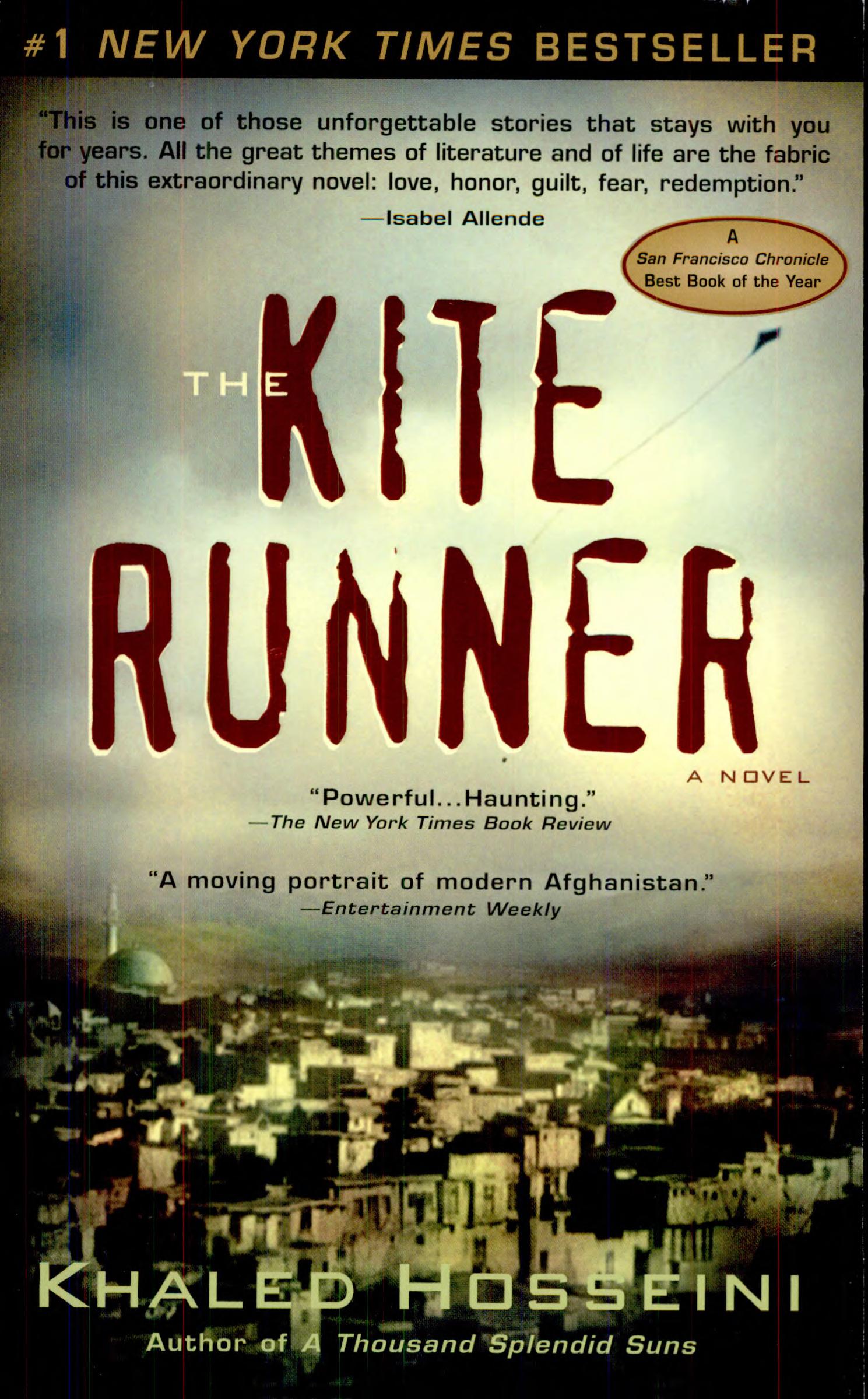
Lonesome DoveLarry McMurtryThe definitive fictional friendship between men, and the novel that most completely renders the specific texture of a bond that has never been named and does not need to be. Gus McCrae and Woodrow Call have been together so long that their differences have become the definition of each other: Gus’s irony and warmth the counterweight to Call’s relentless self-suppression, Call’s competence and reliability the structure that Gus’s expansiveness requires. McMurtry renders their friendship with the same precision he brings to the landscape, and Gus’s death is devastating specifically because the novel has spent 700 pages making the reader understand what Call will have to live without — which is not a person but the version of himself that only existed in relation to that person. The Kite RunnerKhaled HosseiniHosseini’s novel is organized around the specific failure mode of male friendship: the moment when loyalty was required and was not delivered, and the decades-long shape that failure gives to everything that follows. Amir and Hassan’s friendship is asymmetrical — one boy has power the other lacks — and the novel is about what that asymmetry produces when the test arrives. The guilt that Amir carries is not simply about the act but about the friendship itself, what it contained and what it could not survive. For readers who want fiction honest about how male friendship can fail along the specific fault lines of class and courage, and what it means to spend a life trying to make up for a choice made in childhood. A Prayer for Owen MeanyJohn IrvingIrving’s friendship between John Wheelwright and Owen Meany is the most unusual on this list because one of the two friends is certain of his destiny and the other spends his life trying to understand what that certainty meant. The novel is narrated from John’s retrospective position, decades after Owen’s death, and the friendship is rendered in its full strangeness: the way Owen’s absolute conviction about his fate shapes the friendship from the beginning, the way John’s love for Owen is inseparable from his inability to understand him. A friendship organized around asymmetrical understanding — one person knows something the other does not and cannot — is different from any other kind, and Irving explores what it produces with the same ambition he brings to every element of this novel. MatterhornKarl MarlantesThe most honest account on this list of the specific conditions under which male friendship achieves its greatest intensity: sustained danger in an environment where ordinary social constraints have been removed. The bonds that form among Bravo Company’s Marines in the Vietnamese jungle are rendered with the precision of someone who experienced them, including their racial tensions, their class dynamics, and the way extreme shared experience creates intimacy that civilian life cannot sustain or accommodate. Marlantes is also honest about what the intensity costs: the friendships that sustain men under fire become liabilities when the fire ends, because the conditions that made them possible cannot be recreated and the feelings cannot be turned off. The Things They CarriedTim O’BrienO’Brien approaches the male friendship subject from its relationship to storytelling: what men in combat tell each other, what they cannot tell each other, and what they tell everyone else afterward that is not quite the same as what happened. The bonds between the men of Alpha Company are rendered through the specific language they have developed together, the jokes and the nicknames and the dark rituals that constitute a private world. O’Brien is also honest about what war does to friendship: that the intensity of combat bonding is partly a product of terror rather than pure affection, and that what happens to those bonds when the conditions that produced them are gone is one of the things that makes veterans’ re-entry into civilian life so difficult. The Secret HistoryDonna TarttTartt’s novel includes female characters but is organized primarily around a group of male friendships — between Richard and Henry, between Richard and Charles and Camilla, between all of them and the group identity they have constructed together — and it is the most psychologically precise account on this list of how male friendship can become a closed system that generates its own morality. The group’s insularity is what makes the crime possible; the specific dynamics among the men are what make the aftermath unresolvable. Tartt is interested in the male friendship that has become a substitute for individual conscience — where loyalty to the group replaces ethical judgment — and the novel is the most disturbing exploration of where that substitution leads. Who This Is For
Male readers who want fiction that takes the specific textures of friendship between men seriously as a subject — who have felt that most fiction about friendship is written with female friendship as the template and adjusted. Also readers who responded to the McMurtry description and want more of that register: friendships that are never directly declared, that operate through action and shared history rather than emotional expression, and that are nonetheless the primary relationship in both men’s lives. The literary fiction catalogue has more in this direction.
Frequently asked questions
Q: What is the best novel about male friendship?
A: Lonesome Dove for readers who want the full weight of a friendship across an epic canvas. The Kite Runner for readers who want the friendship organized around its failure and what that failure cost. A Prayer for Owen Meany for readers who want the most unusual friendship premise: two people bound by one person’s knowledge of how their story ends.
Q: Are there good books about male friendship that are not about war?
A: Lonesome Dove is about a cattle drive, not a war. A Prayer for Owen Meany is set in a New Hampshire prep school and its aftermath. The Secret History is set in a Vermont liberal arts college. The Kite Runner is primarily set in Afghanistan and California. War provides the conditions for the most intense male bonding in fiction, but it is not the only setting that produces it.
Q: What makes Matterhorn different from other Vietnam War novels?
A: Marlantes spent thirty years writing it, and the investment is visible in the specificity: not just the military operations but the class dynamics, the racial tensions, the specific bureaucratic cynicism of the officer corps, and the intense friendships that develop in the platoon. Most Vietnam War fiction focuses on one of these elements; Matterhorn holds all of them simultaneously, which gives its portrait of male bonding the social texture that most war fiction sacrifices for dramatic focus.
Q: What should I read after Lonesome Dove?
A: Streets of Laredo, McMurtry’s direct sequel, is considerably darker and follows Call alone in the years after Gus’s death. It is the most honest account available of what the surviving half of a long male friendship does with the absence of the other. Dead Man’s Walk and Comanche Moon are prequels that show Gus and Call when young, which many readers find rewarding after the original but which others prefer not to read so as to preserve the specific quality of the original.
Not sure which of these is right for you specifically? The Pagesmith quiz matches you to books based on your mood, pacing preference, and reading goals, not bestseller lists. Takes two minutes.