Best Books About Marriage That Go Beyond the Romance
The best marriage novels are not about whether relationships succeed or fail. They are about the daily negotiation between two people who have chosen to define themselves partly through each other -- and what happens to both selves in that process.
May 2026 · 7 min read · The Pagesmith
Most fiction about marriage either celebrates it or autopsies it: the love story that ends at the altar, or the thriller that reveals what has been happening behind closed doors. The books here do neither. They are interested in marriage as an ongoing process rather than an event or a revelation — the specific work of being in sustained proximity to someone whose self-image and your own are continually in negotiation. What two people become across years of choosing each other is different from what either of them would have become alone, and different again from what they imagined they were choosing. The best marriage novels are not about the beginning or the end but about the middle, which is where most of the actual material is.
What Serious Fiction About Marriage Actually Examines
The marriage novel has two failure modes. The first is the courtship novel that treats the wedding as the story’s conclusion, as if the relationship ends where the commitment begins. The second is the crisis novel, where a marriage is described only under the pressure of an affair or a catastrophe, which means the only version of the relationship the reader sees is its dysfunction. The books here are interested in the ordinary texture of long-term partnership: the accommodation and resentment that accumulate in roughly equal proportions, the ways people misread each other across decades while believing they know each other completely, and the specific pleasure and damage that comes from being permanently visible to another person.
A long marriage is not a single choice but a thousand small ones, and the novel that takes that seriously is a different kind of book from the one that takes the original choice as its subject.
The Books
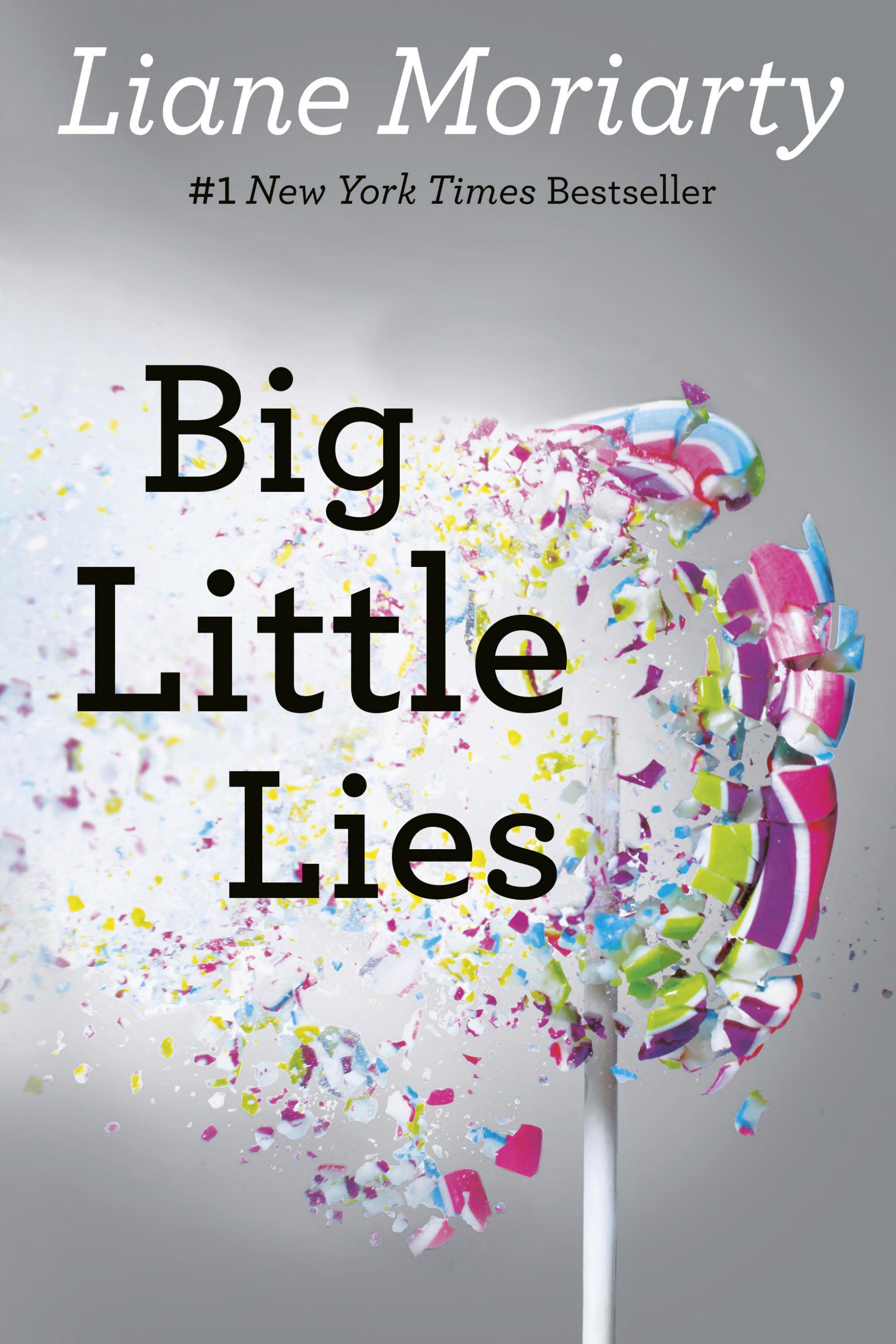
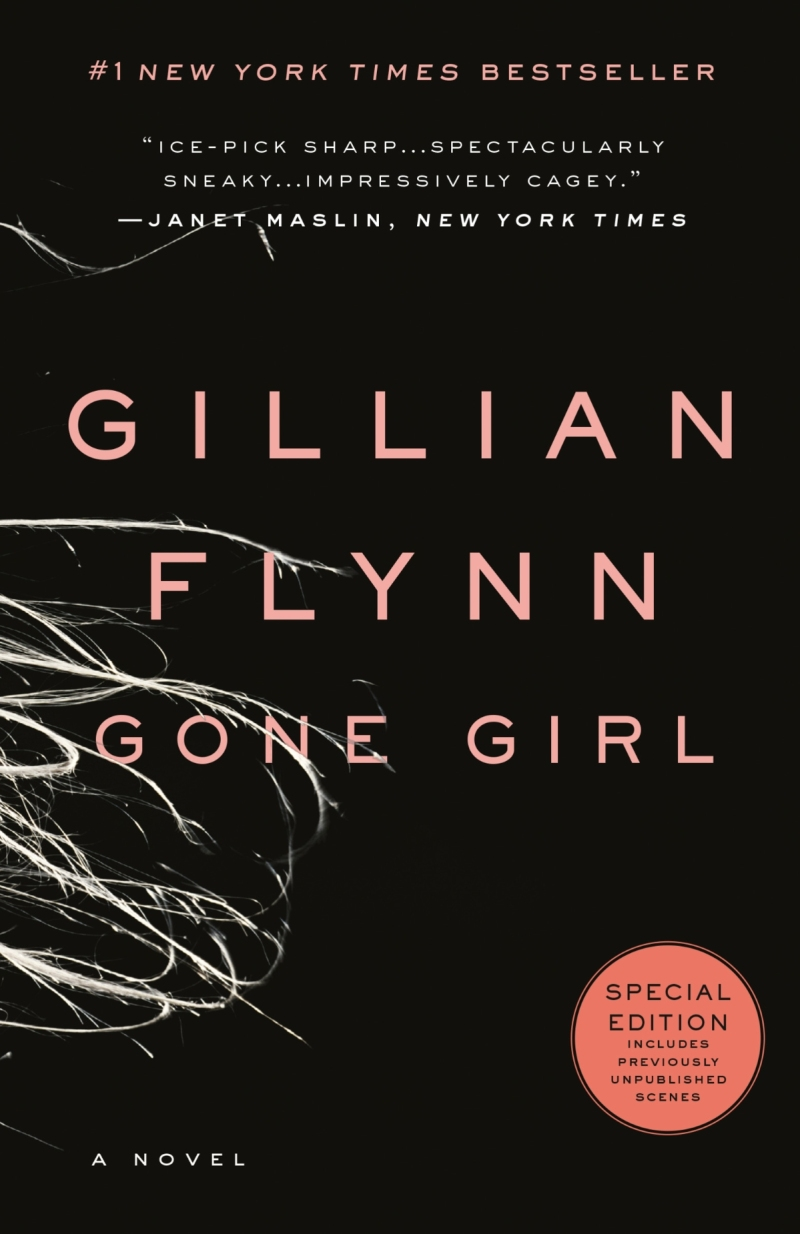
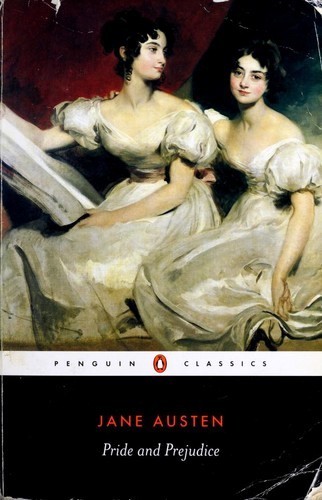
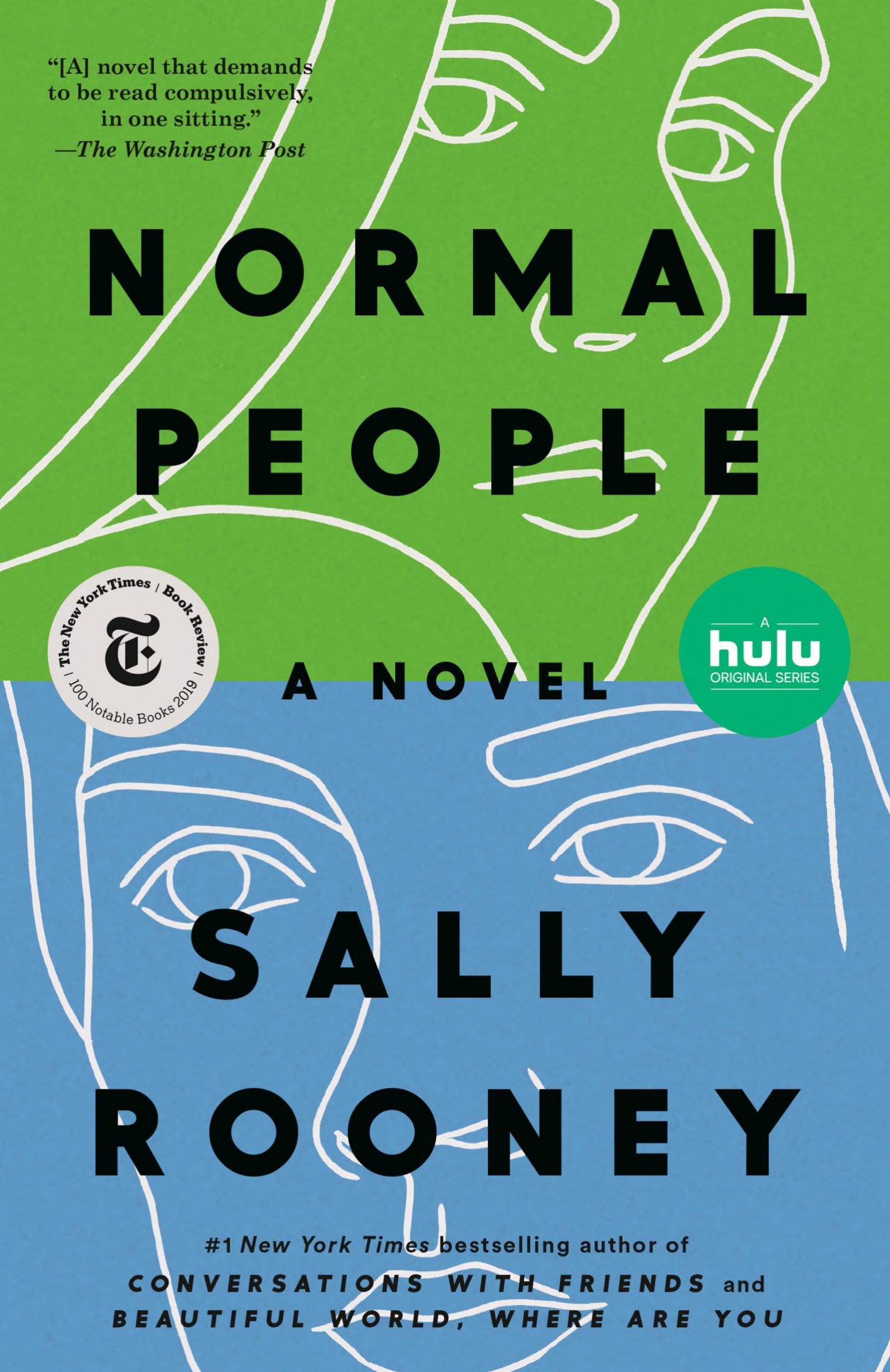
Breathing LessonsAnne TylerTyler’s Pulitzer winner is the most purely focused marriage novel on this list. Maggie and Ira Moran spend one day driving to a funeral and back, and Tyler excavates their forty-year marriage through that single day with the precision of an archaeologist. Maggie schemes and improvises and is frequently wrong; Ira endures and loves her anyway, which is its own kind of mystery. The comedy is inseparable from the portrait — their incompatibility is what holds them together, and Tyler renders this with enough specificity that it feels like something observed rather than constructed. The marriage here is not a problem to be solved but a fact to be fully described. Big Little LiesLiane MoriartyMoriarty uses the thriller structure to make a marriage argument: the violence that is hidden inside perfectly functional-looking households, the performance of partnership in social settings, and the specific loneliness of being in a marriage that the world reads as successful. Three marriages are examined in parallel, each presenting a different version of what couples conceal from each other and from the people around them. The social comedy of the schoolgate world is doing serious work — it is the performance of marriage as a status signal, and Moriarty is interested in what it costs to maintain that performance when the reality underneath has become untenable. Gone GirlGillian FlynnFlynn’s thriller is also a marriage novel in the most precise possible sense: a book about two people who constructed versions of themselves specifically for each other and then had to live inside those constructions. Nick and Amy’s marriage is built on performance from the beginning, which Flynn uses to make a serious argument about how people present themselves in relationships and what happens when the performance and the person diverge. The thriller mechanics are in service of the marriage argument — the midpoint reveal works because it changes what you understand about the performance, not just about the plot. More formally serious about its subject than its genre classification suggests. Dinner at the Homesick RestaurantAnne TylerTyler’s second entry on this list approaches marriage from its aftermath. Pearl Tull’s dying narration reviews the marriage that ended when her husband walked out, and the novel’s multiple perspectives — each chapter belonging to a different family member — show how the same marriage looked from the outside to the people it produced. The abandoned marriage here is not just a damage but an organizing event around which three adults have constructed their entire lives, often in ways Pearl cannot see. Tyler’s particular skill is the gap between what characters understand about their own situation and what the reader can see from the structure she has built around them. Pride and PrejudiceJane AustenAusten’s novel is included here not as the courtship novel it is usually described as but as a marriage novel disguised as one. The existing marriages in Pride and Prejudice — the Bennets’ above all, but also the Wickhams’, the Collinses’, the Gardiners’ — are the real argument of the book. The Bennet marriage is the clearest account in English fiction of what happens when two intelligent people choose each other for the wrong reasons and then have to spend thirty years with the results. Elizabeth’s story is the one the novel narrates; her parents’ marriage is the one the novel argues about. Austen is not celebrating marriage. She is describing with absolute clarity what it requires and what happens when those requirements are ignored. Normal PeopleSally RooneyNot a marriage novel in the technical sense, but the book that most precisely describes what marriage novels are about: the specific difficulty of two people who want each other and cannot find the language to say so, the way class and social anxiety and pride prevent communication that should be simple, and the accumulation of near-misses that constitutes a long relationship. Connell and Marianne’s failure to fully claim each other is a compressed version of the Bennet marriage’s failure in a different key. Rooney’s dialogue-driven precision makes the gap between what characters say and what they mean unusually clear, which is ultimately what all marriage fiction is about. Who This Is For
Readers who want fiction that takes long-term partnership seriously as a subject rather than as backdrop, and who are tired of the marriage-as-crisis structure that most commercial fiction defaults to. Also readers who want to understand what makes Pride and Prejudice more than a romance. For more in this territory, the literary fiction catalogue has many books where marriage and long-term relationships are the central subject.
Frequently Asked Questions
Q: What is the best novel about a long marriage?
A: Breathing Lessons is the most purely focused on the interior texture of a long marriage rather than its crises. The Remains of the Day is the best account of a marriage not entered into and what that choice cost across a lifetime.
Q: What is the best book about a failing marriage?
A: Gone Girl is the most theatrical treatment. Big Little Lies is the most socially precise. Dinner at the Homesick Restaurant is the most interested in what the failure produces in the people around it.
Q: Is Pride and Prejudice really a book about marriage rather than a love story?
A: It is both, but the love story is only legible against the background of the marriage argument. Austen builds the Bennet marriage, the Collins marriage, and the Wickham marriage with enough precision that they constitute a taxonomy of what partnership requires. Elizabeth choosing Darcy is the novel concluding its argument about what a good marriage would actually look like, not simply delivering a romance.
Q: What should I read after Breathing Lessons if I want more Anne Tyler?
A: Dinner at the Homesick Restaurant is the natural next step — both are concerned with what long partnerships produce and cost, approached from different angles. Tyler’s A Patchwork Planet and Saint Maybe both extend similar preoccupations into different family structures.
Not sure which of these is right for you specifically? The Pagesmith quiz matches you to books based on your mood, pacing preference, and reading goals, not bestseller lists. Takes two minutes.