The best books about nature share a quality that separates them from travel writing or scenic description: they use the natural world as a lens. The landscape is not backdrop — it is the subject, and the argument the writer is making is about what the natural world reveals that the human world conceals. These books change the way you look at things when you put them down, which is the highest thing a book about the outside world can do.
Nature as survival: the human animal tested
These books put humans in direct confrontation with the natural world and use that confrontation to examine what people are made of.
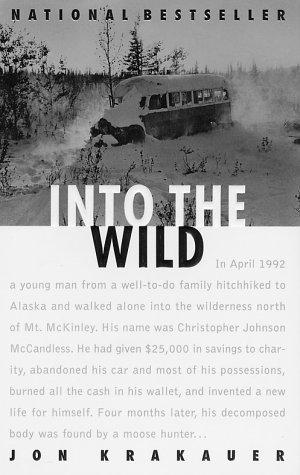
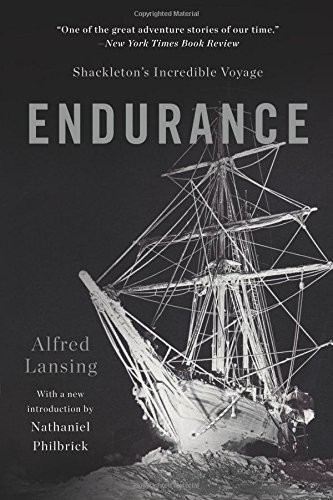
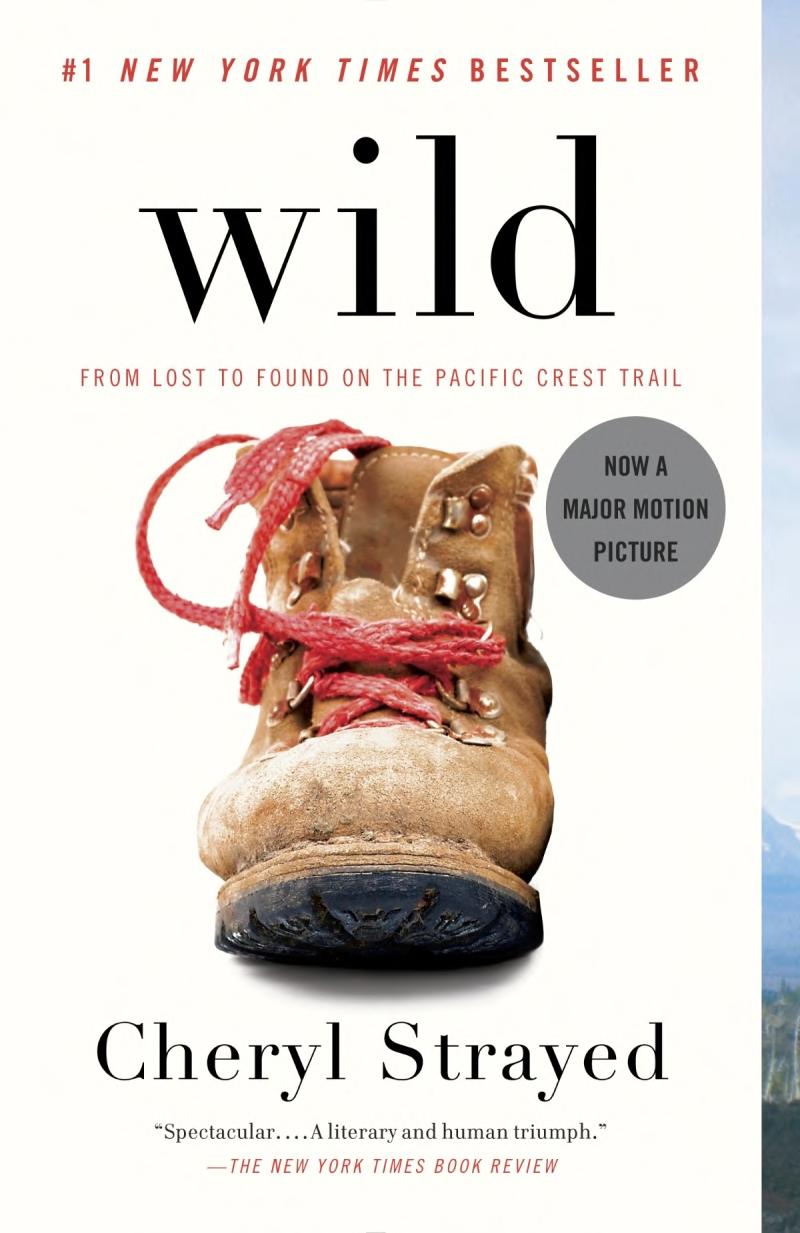
The best books about nature use the landscape as a lens. The argument is always about what the natural world reveals that the human world conceals.
Nature as subject: science writing that changes how you see
Nature as political subject
Who this is for
This list is for readers who want books that change the way they see the natural world — not travel writing or outdoor adventure in the genre sense, but books where paying attention to nature reveals something essential. If you want propulsive narrative, Into the Wild or Endurance. If you want something more lyrical and interior, Wild or Lab Girl. For the most ambitious literary argument, The Overstory. Browse nonfiction for more.
Frequently asked questions
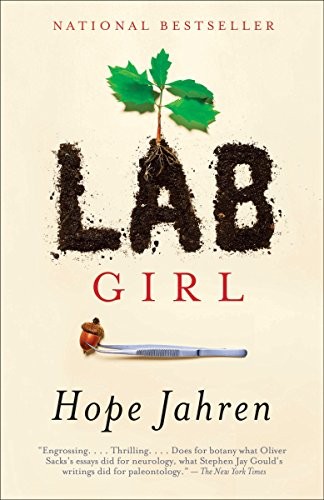
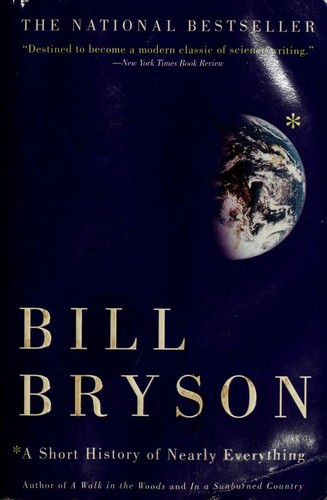
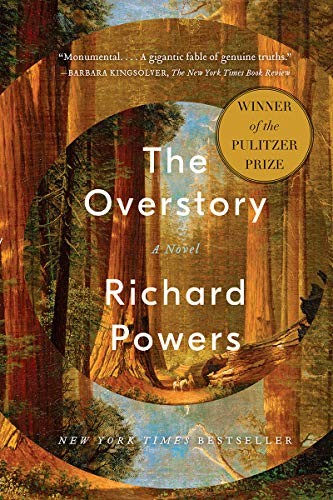
Q: What are the best books about nature and the environment? A: The Overstory by Richard Powers is the most ambitious literary treatment of human relationship to the natural world. Lab Girl by Hope Jahren is the most personal. A Short History of Nearly Everything by Bill Bryson is the most accessible and the most purely astonishing.
Q: What are good books about hiking and the outdoors? A: Wild by Cheryl Strayed is the defining hiking memoir — immediate, physical, and emotionally honest about why someone would put themselves through 1,100 miles of trail. Into the Wild by Jon Krakauer examines the darker end of the same impulse.
Q: What nonfiction books about nature read like fiction? A: Endurance by Alfred Lansing reads with the momentum of a thriller — it is reconstructed from primary sources and narrated with novelistic craft. Into the Wild uses scene-construction and character development that most journalism does not attempt.
Q: Are there novels set in nature that are worth reading? A: The Overstory is the strongest recent novel that takes the natural world as its primary subject. Where the Crawdads Sing by Delia Owens uses the North Carolina marshes as both setting and emotional register, and the ecological knowledge in it comes from Owens’s career as a wildlife scientist.
Not sure which of these is right for you specifically? The Pagesmith quiz matches you to books based on your mood, pacing preference, and reading goals — not bestseller lists. Takes two minutes.