The best books about survival share a quality that separates them from adventure fiction: the stakes are not just physical. The question is not only whether the character survives but who they become in the process — what they are willing to do, what they discover they are made of, and whether the person who comes out the other side is someone they recognise. That interior dimension is what makes survival literature matter beyond the excitement of the premise.
Survival against nature: the human animal alone
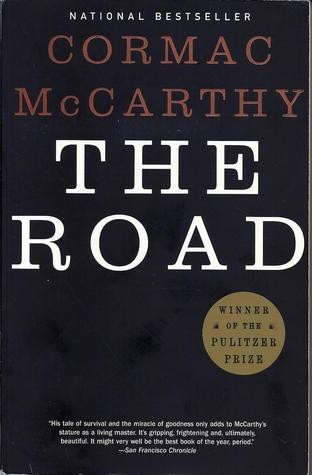
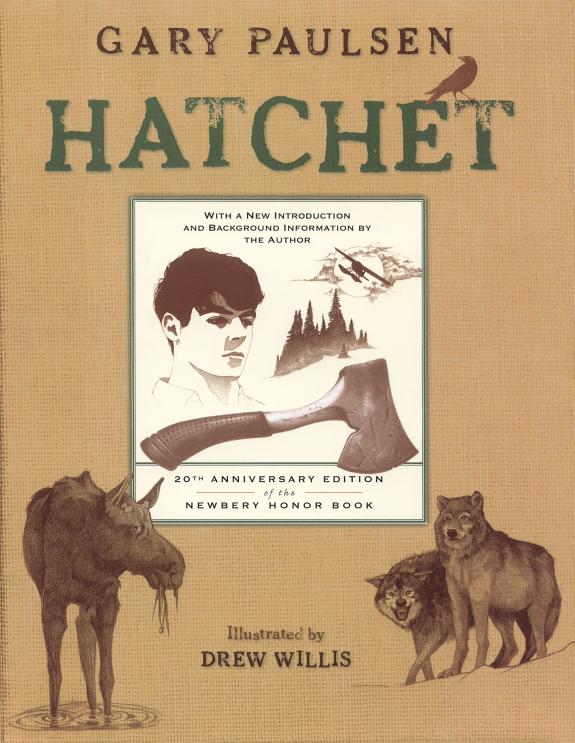
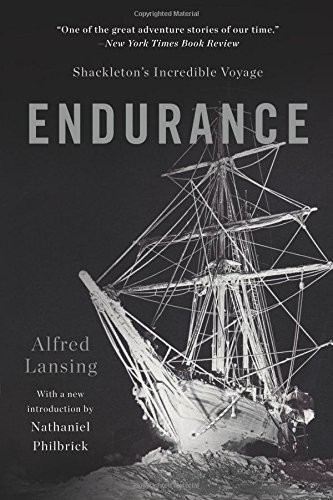
The best survival books are not about whether the character makes it. They are about what making it requires — and whether the person who comes out the other side is someone they recognise.
Survival against institutions and systems
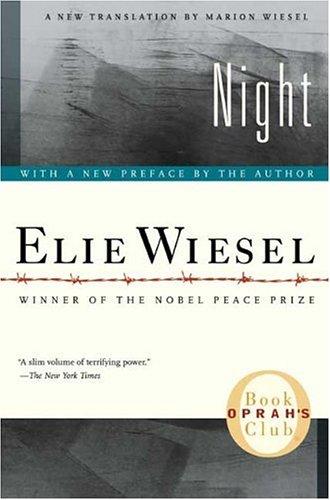
Survival after catastrophe: rebuilding from nothing
Who this is for
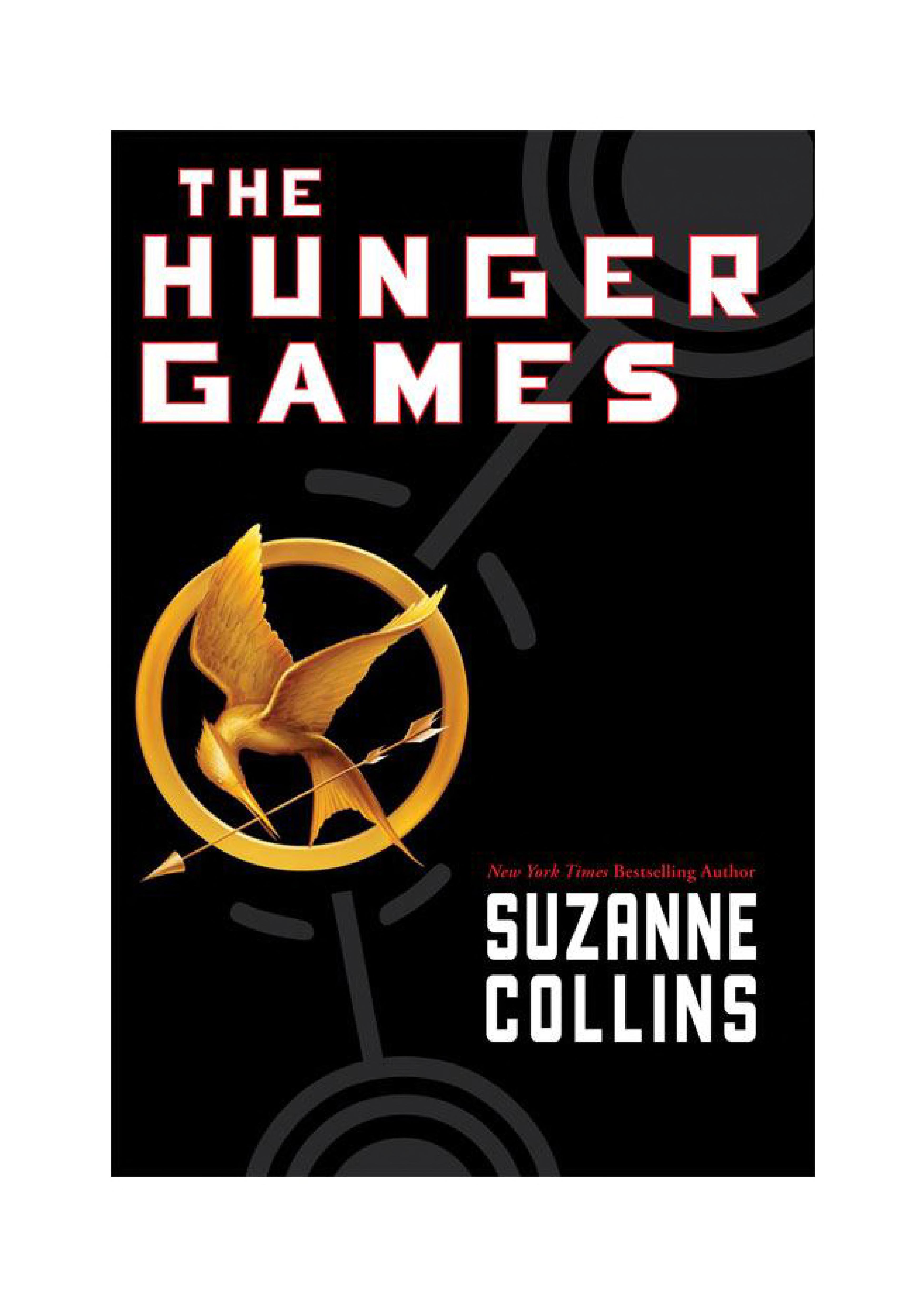
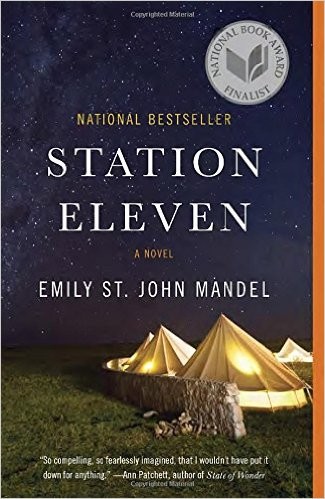
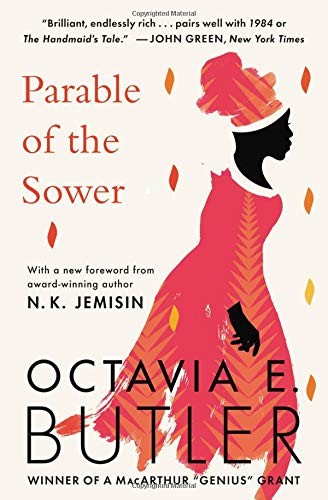
This list covers survival across registers — from the stripped-down physical intensity of The Road and Hatchet, to the institutional horror of Night, to the post-apocalyptic rebuilding of Station Eleven and Parable of the Sower. If you want the most intense, The Road or Night. If you want the most propulsive, The Hunger Games or Hatchet. If you want the most hopeful, Station Eleven or Parable of the Sower. Browse science fiction and nonfiction for more.
Frequently asked questions
Q: What are the best survival fiction books? A: The Road by Cormac McCarthy is the most formally perfect. The Hunger Games is the most propulsive. Station Eleven is the most literary and the most hopeful about what survival means beyond the physical.
Q: What are the best survival nonfiction books? A: Endurance by Alfred Lansing is the most rigorously reported and the most emotionally sustaining. Night by Elie Wiesel is the most important. Into the Wild by Jon Krakauer is the most readable for general audiences.
Q: What survival books are good for YA readers? A: Hatchet by Gary Paulsen is the classic survival novel specifically written for younger readers. The Hunger Games is the most culturally significant YA survival series. The Maze Runner by James Dashner is the most action-focused.
Q: Are there survival books that are also hopeful? A: Station Eleven by Emily St. John Mandel is explicitly about hope inside catastrophe — specifically about why art and beauty matter even when survival is uncertain. Parable of the Sower by Octavia Butler is survival as world-building, which is the most expansively hopeful take on the genre.
Not sure which of these is right for you specifically? The Pagesmith quiz matches you to books based on your mood, pacing preference, and reading goals — not bestseller lists. Takes two minutes.