The Goldfinch is a polarising novel: readers who love it tend to love it completely, and the qualities they love are precisely the ones that frustrate readers who do not — the length, the digressions, the way Tartt follows Theo’s obsession with the painting across decades and continents and drug hazes without apology. Finding books for readers who responded to those qualities means looking for novels that share Tartt’s specific ambition: long, immersive, morally complex, and completely absorbed in a particular character’s particular world.
Books with the same scope and immersive ambition
These novels share The Goldfinch’s commitment to spending real time with their characters — they are long not because they are padded but because they are thorough.
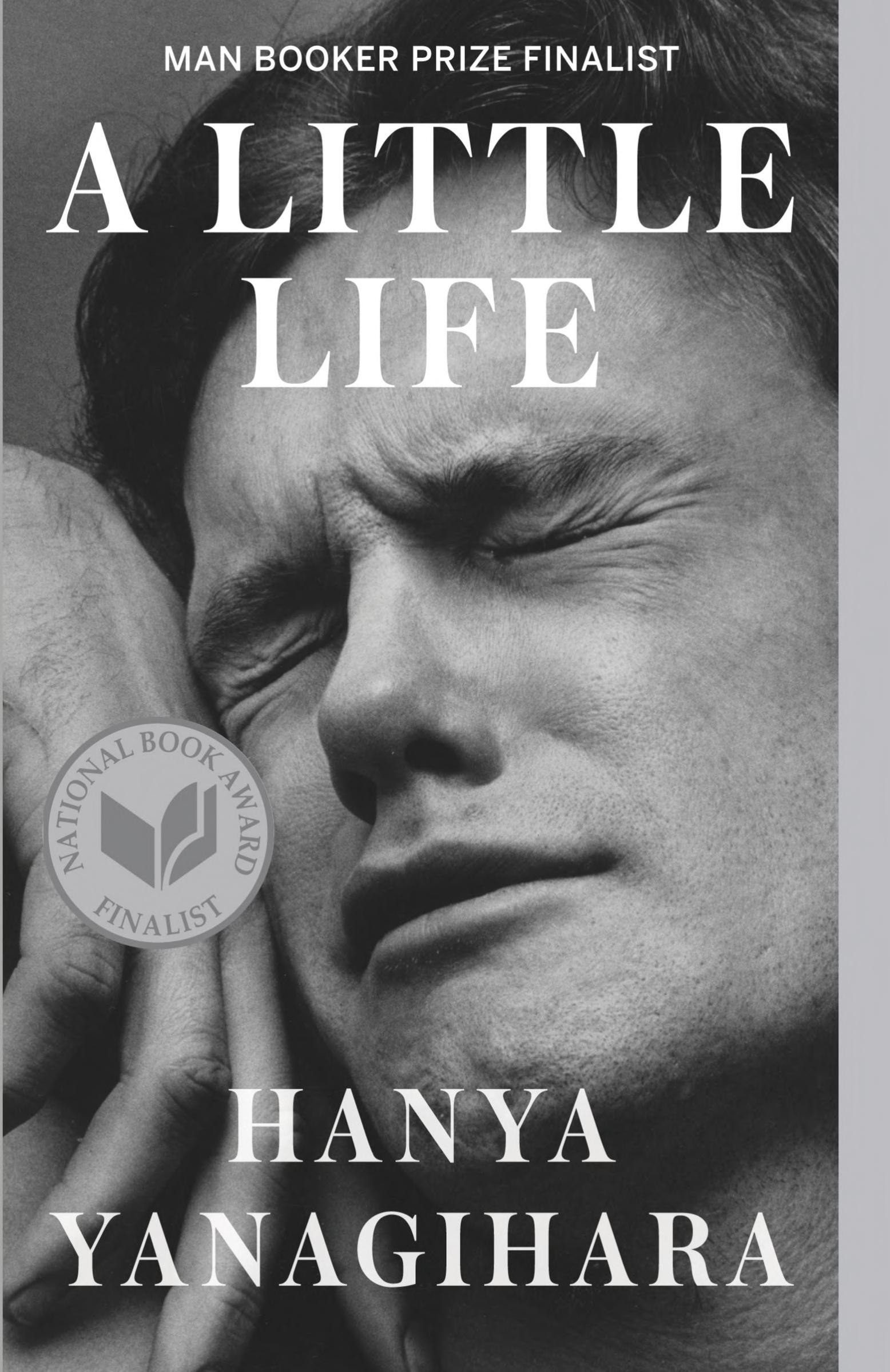
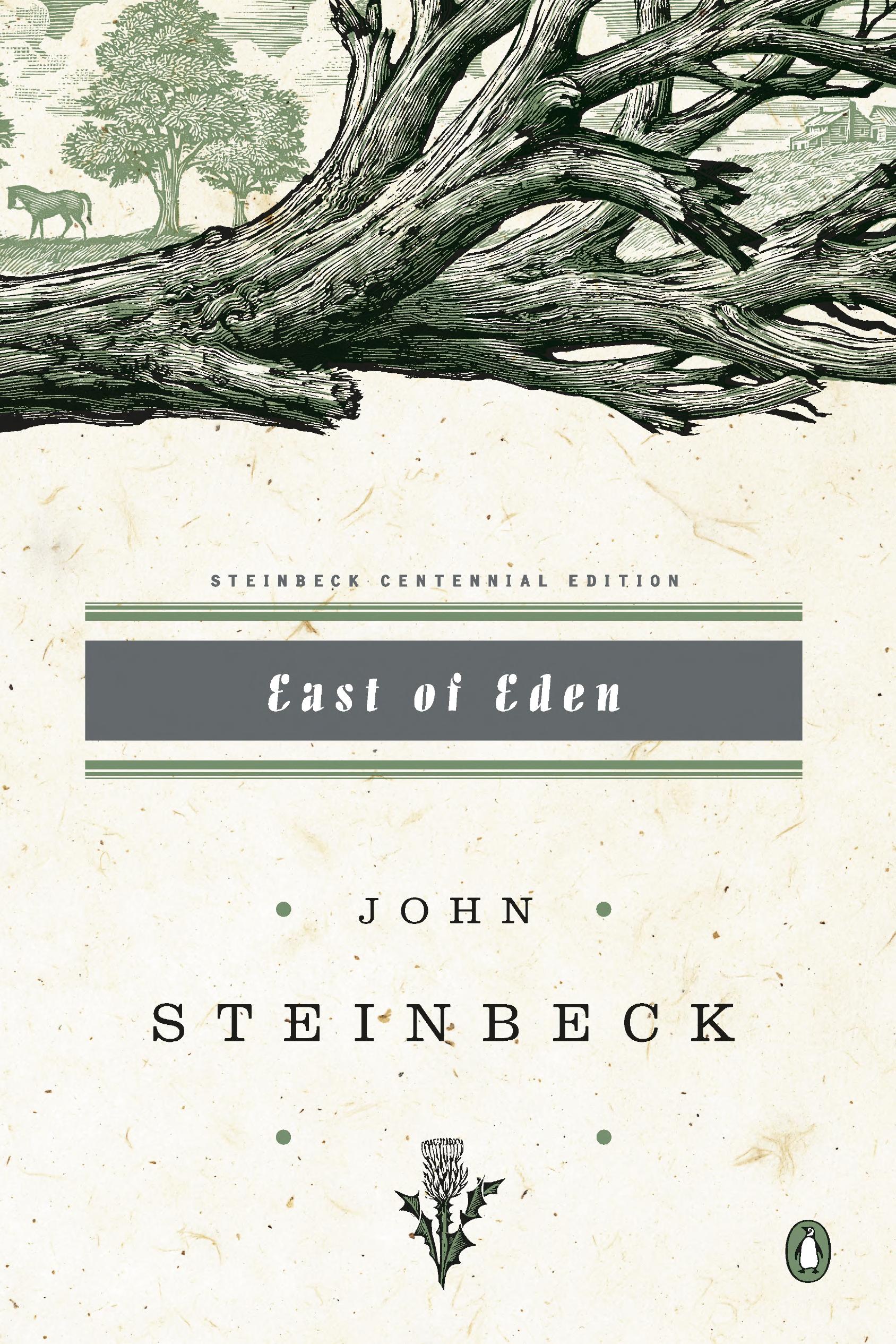
The Goldfinch trusts the reader to stay with something unhurried. The books that reward readers who loved it are the ones that share that trust — long not because they are padded but because they are thorough.
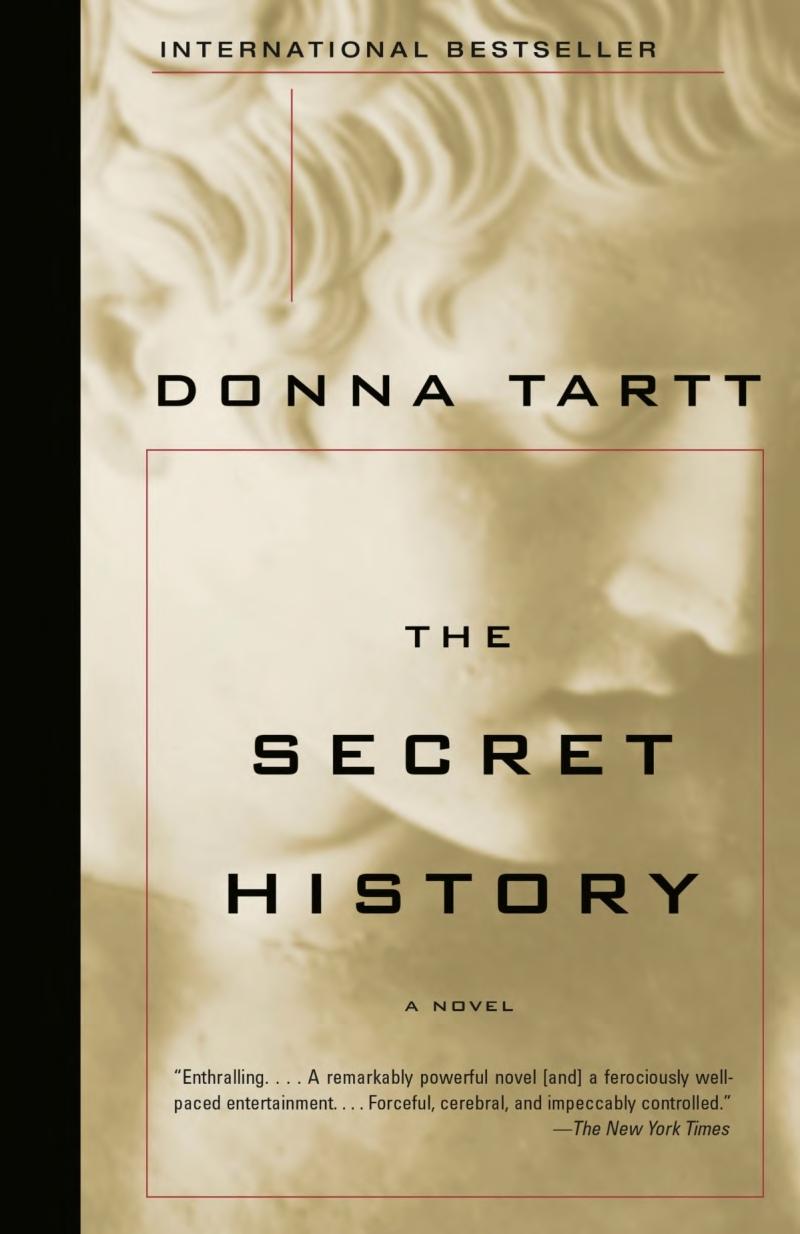
By Donna Tartt: the same sensibility, different subjects
Books with the same quality of obsession as the primary subject
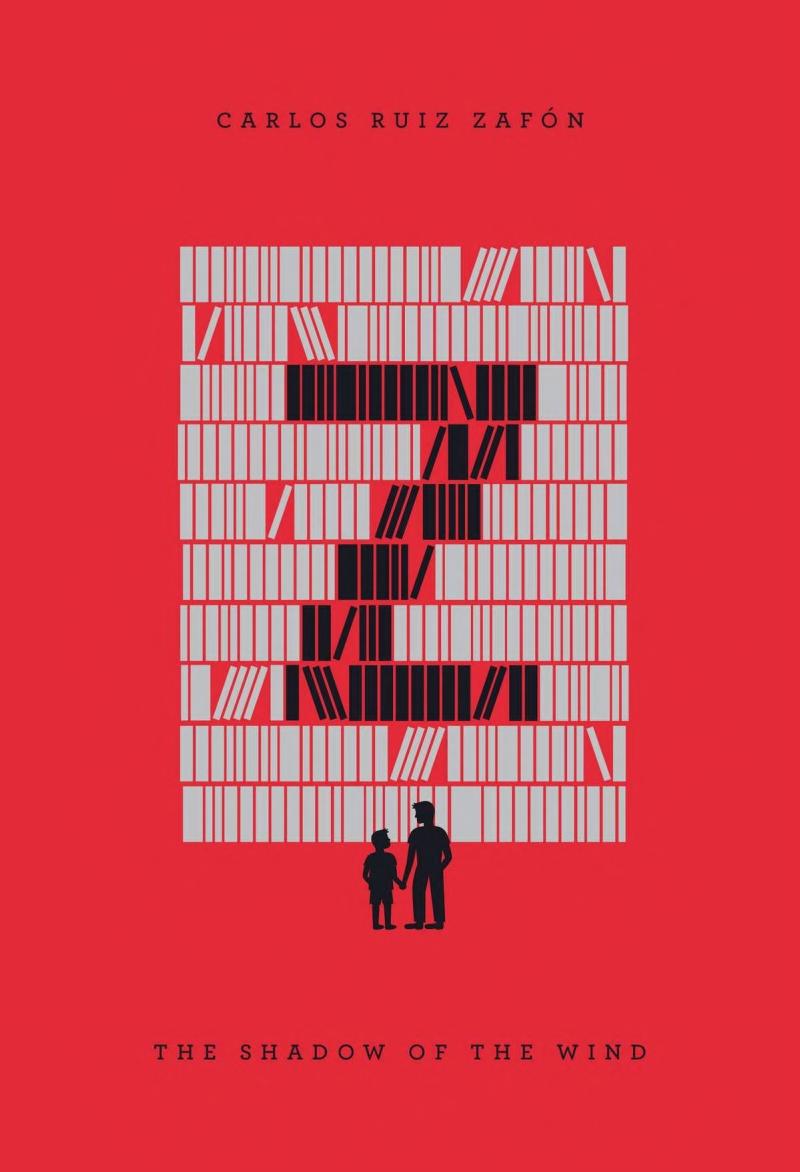
What drives The Goldfinch is Theo’s obsession with the painting — the way it organises his entire life around itself without his fully understanding why. These books share that quality of obsession as the narrative engine.
Who this is for
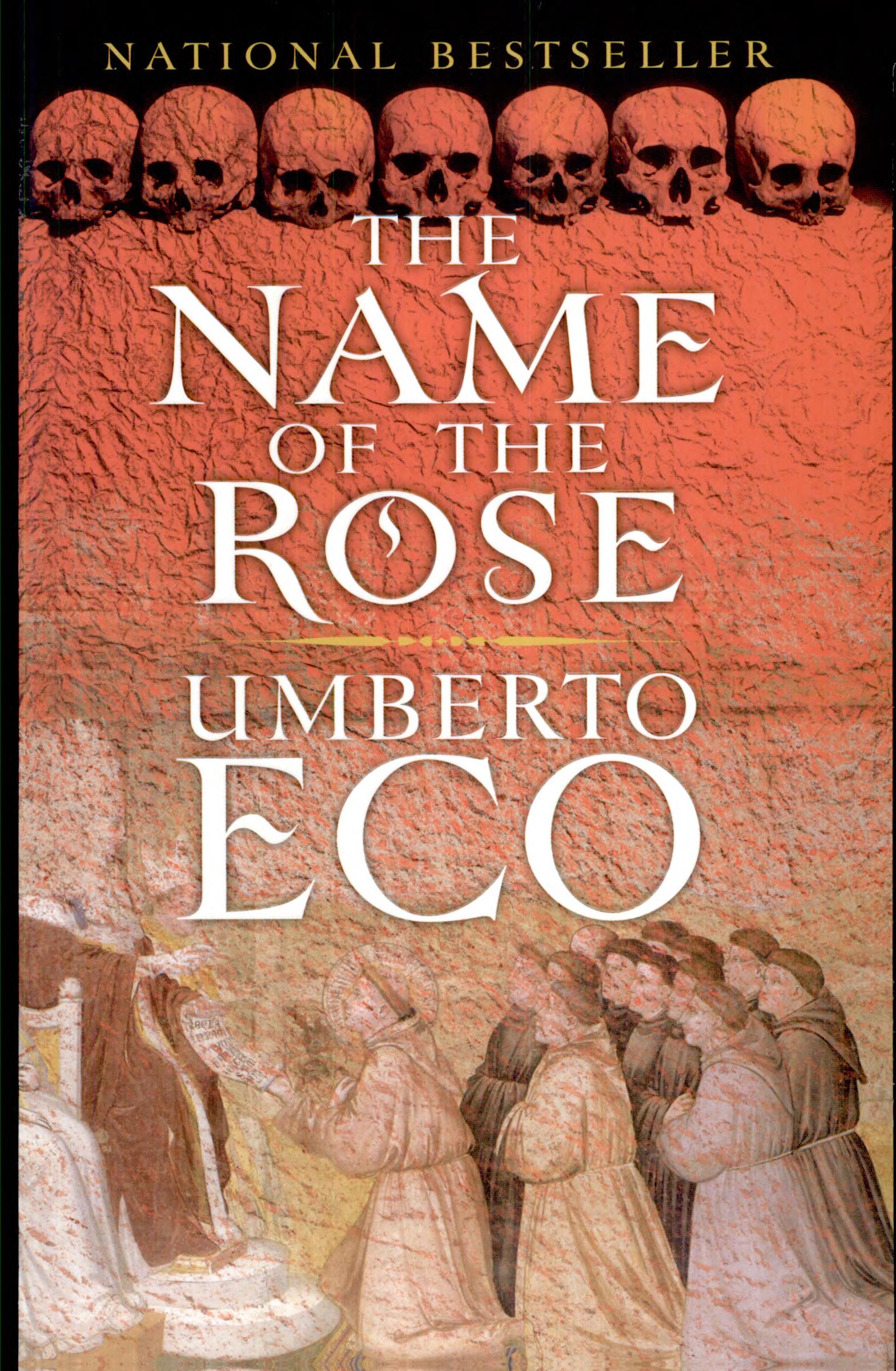
This list is for readers who loved The Goldfinch specifically for its length, its lushness, and its willingness to follow a character’s obsession without apology — not readers who simply want more literary fiction. If you want the closest structural match, A Little Life or The Secret History. If you want the same quality of obsession as the primary subject, The Shadow of the Wind. If you want similar scope and moral complexity, East of Eden or Les Miserables. Browse literary fiction for more.
Frequently asked questions
Q: What should I read after The Goldfinch? A: The Secret History by Donna Tartt is the most direct next step — same author, same lush prose, same morally complex ensemble. A Little Life by Hanya Yanagihara shares the scope and the granular psychological attention. The Shadow of the Wind has the same quality of obsession with a beautiful object as the novel’s organising principle.
Q: What books are similar to Donna Tartt’s writing style? A: No one writes exactly like Tartt — the lushness, the digressions, the moral complexity in service of a very specific kind of beauty are distinctive. The closest are A.S. Byatt (Possession), Umberto Eco (The Name of the Rose), and Kazuo Ishiguro for the psychological depth, though his prose is considerably more restrained.
Q: Is The Goldfinch worth reading despite being so long? A: For readers who respond to immersive literary fiction, yes completely. For readers who prefer efficient plotting, probably not — the length is structural rather than incidental. If you finished A Little Life or Les Miserables and wanted more, you will love it.
Q: What is The Goldfinch actually about? A: On the surface, a boy who takes a small Dutch Golden Age painting from the scene of a terrorist attack and builds his entire adult life around concealing it. Underneath, it is about how beauty and loss are inseparable, and whether the things we love most save us or destroy us. Tartt makes no attempt to separate those two questions.
Not sure which of these is right for you specifically? The Pagesmith quiz matches you to books based on your mood, pacing preference, and reading goals — not bestseller lists. Takes two minutes.