Best Books for Men Who Want the Full Range
The problem with most books-for-men lists is they assume men want only certain things from fiction. These books assume nothing except that male readers want what all serious readers want: moral depth, psychological honesty, and stories where being alive is the actual subject.
May 2026 · 8 min read · The Pagesmith
Books recommended specifically for men tend toward a narrow range: thrillers, military history, adventure, stories about stoic protagonists doing difficult things. This is not what most male readers actually want from fiction — or at least it is not all they want. The men who come to serious fiction and stay there are looking for the same things all serious readers want: a book that tells the truth about what it feels like to be alive, that takes the moral complexity of human decisions seriously, and that renders the inner life of characters with enough precision that the reader recognizes something real. The books here make no assumptions about what male readers can handle emotionally or what they find interesting. They assume that the experience of being a man in the world — the specific weight of fatherhood, friendship, work, violence, and the question of what to do with the time available — is worth a novel’s full attention.
What Serious Fiction for Men Actually Looks Like
The male experience in fiction has its own recurring concerns that are not the same as action or adventure, even if they sometimes appear in adventure’s clothing. What is a man supposed to do with inherited damage? What does fatherhood require, and what happens when you fail at it? What is the relationship between a man’s violence and his capacity for love? What does a life look like when seen in full retrospect, with all its accumulated choices? The books here address these questions directly, in a variety of settings and genres, without the ironic distance that sometimes protects literary fiction from its own subject matter. They are demanding books — none of them are comfortable or easy — but they are serious in the way that the best fiction is serious: because they believe the question of how to live is worth a full and honest examination.
The most honest thing serious fiction for men can do is refuse the consolation that competence and stoicism offer, and ask what is underneath them — what has been suppressed in the service of functioning, and what it costs.
The Books
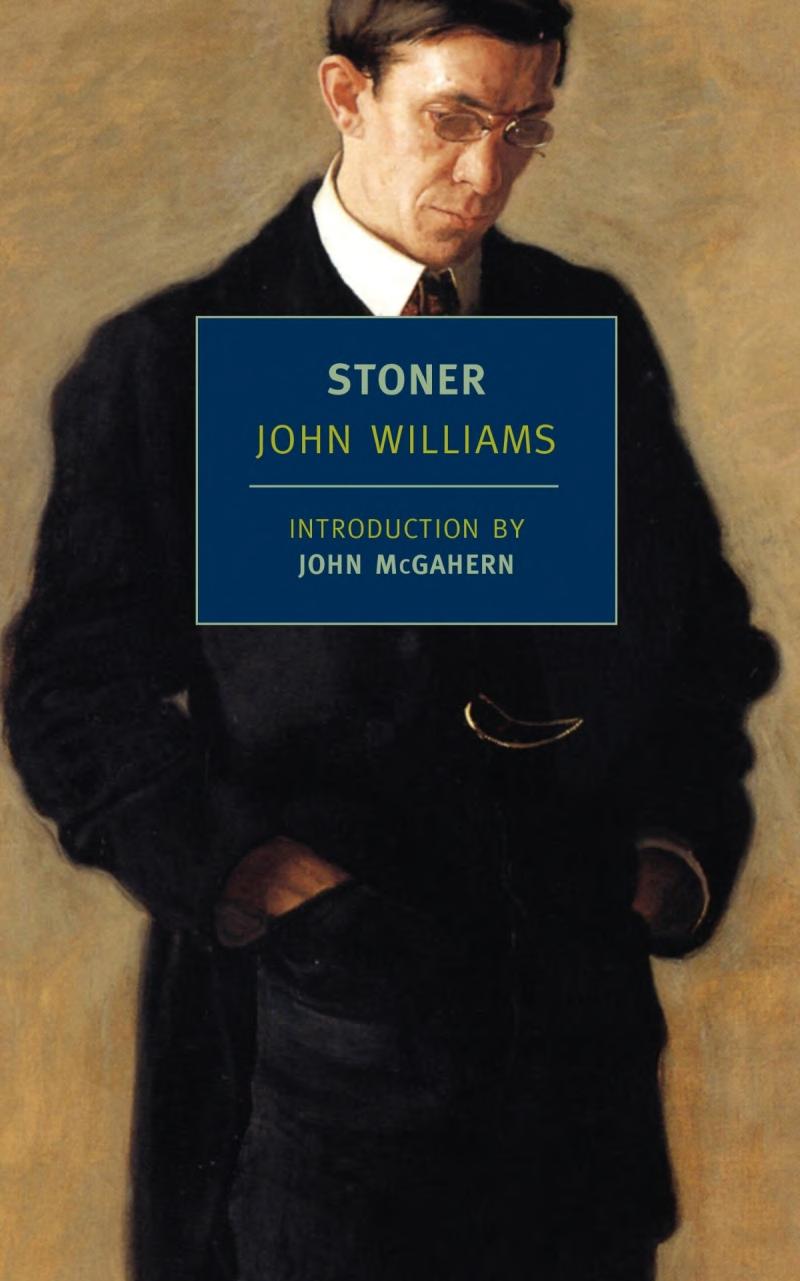
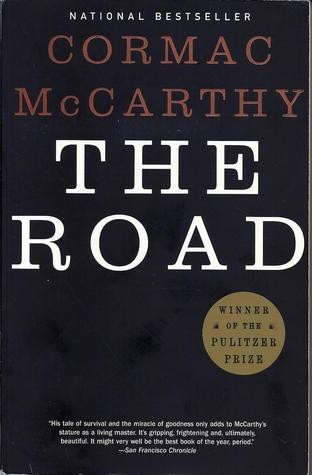
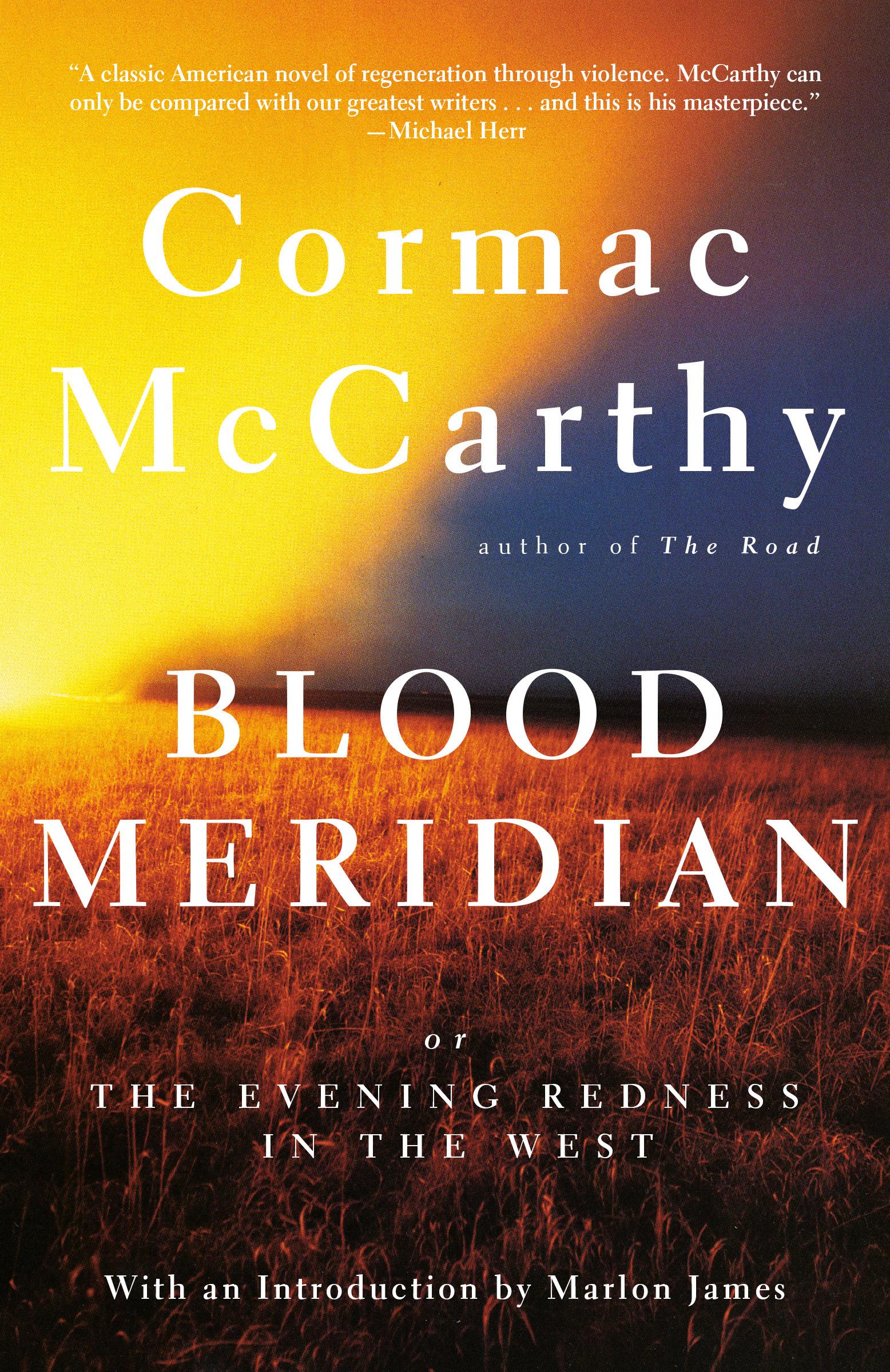
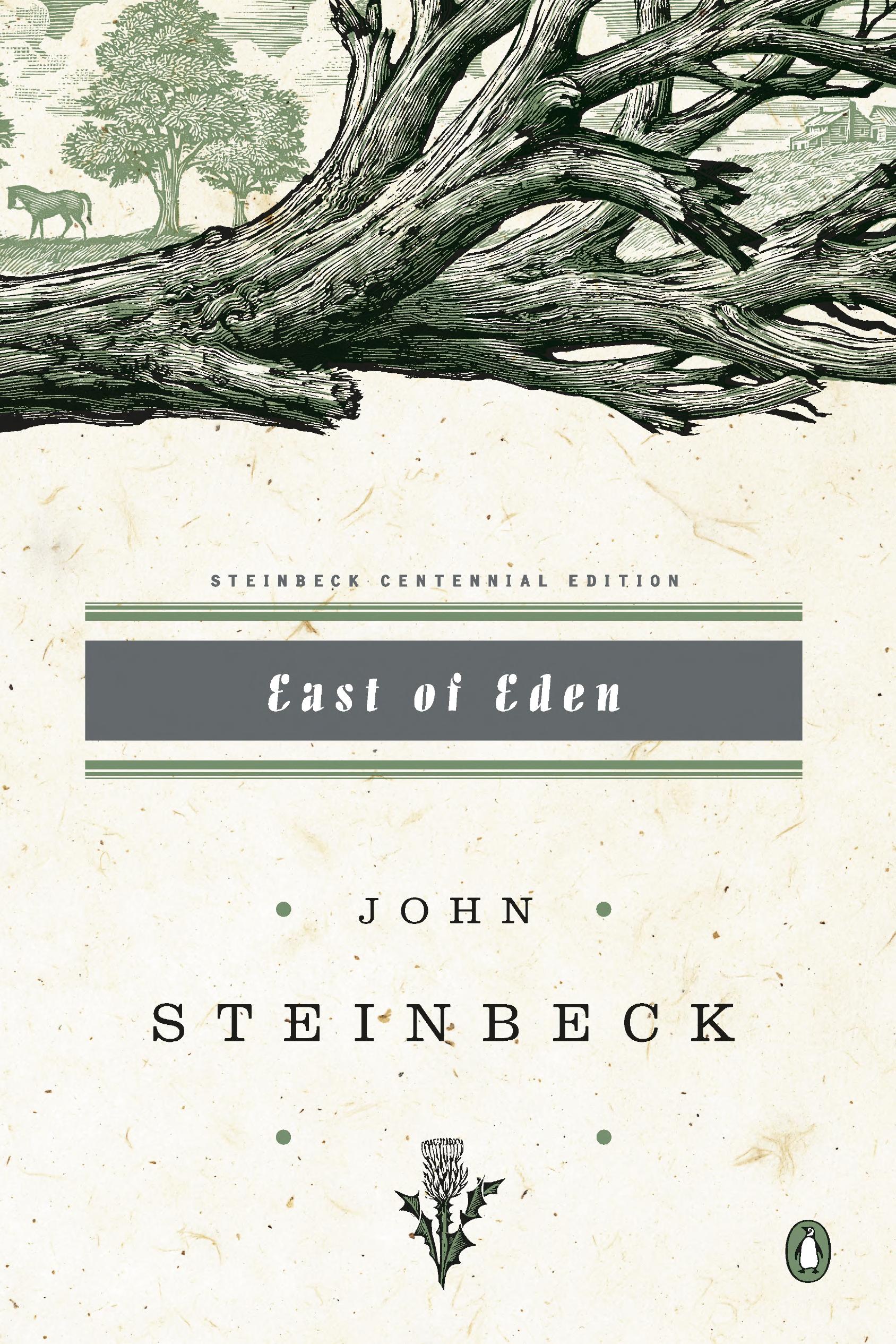
StonerJohn WilliamsThe most complete portrait of a male life in American literary fiction: an entire existence rendered without event or drama or consolation, in prose so clean it becomes a kind of pressure. William Stoner’s failure to live up to his own dreams — the failed marriage, the crushed love affair, the suppressed academic passion, the sense of having been present at his own life without having fully participated in it — is rendered not as tragedy but as the most ordinary human experience there is. Williams treats a quiet life with the full attention usually reserved for spectacular ones, and the result is devastating in the specific way that recognition is devastating: not what happened to Stoner but how precisely you find yourself in him. The RoadCormac McCarthyMcCarthy strips the father-son relationship to its irreducible element: a man keeping his child alive in a world that has nothing else to offer either of them. The novel’s post-apocalyptic setting is not genre decoration — it is the formal device that removes every social mediator from fatherhood and asks what remains when there is nothing left except the man and the boy and the question of whether to continue. The answer McCarthy gives — that the transmission of a moral position from father to child is the last meaningful act available — is the most unqualified statement of what fatherhood is actually for in any fiction. The prose is McCarthy at his most stripped, and the ending arrives with the full weight of everything it cost to get there. Lonesome DoveLarry McMurtryThe great American novel about male friendship, which is also a novel about the end of a certain kind of American masculinity. Gus McCrae and Woodrow Call have been together so long that their differences have become the definition of each other — Gus’s warmth and irony the counterweight to Call’s relentless self-suppression — and McMurtry renders their friendship with more precision than most fiction brings to romantic love. The cattle drive is the container; what it’s about is what happens to men who define themselves by a frontier that is disappearing, and what remains of a friendship when one of the two people in it is gone. The most emotionally generous novel on this list. The Things They CarriedTim O’BrienO’Brien’s linked stories are about war in the way that the best war literature is about war: not about battles or tactics but about what sustained violence does to the men inside it and the men they become after. The question the book keeps returning to is about truth — what a true war story is, whether the true version is ever the one that actually happened, what it means to carry an experience that cannot be narrated honestly without destroying the narrative’s credibility. O’Brien is asking about male experience under extremity, about the specific weight of guilt and loss and the inadequacy of all the available frameworks, with a formal precision that makes the book as much a meditation on storytelling as on the war it describes. Blood MeridianCormac McCarthyThe most demanding book on this list and the one that makes the least concessions to the reader’s comfort. McCarthy’s argument — delivered through the Judge Holden, who may be the most philosophically coherent villain in American fiction — is about violence as the organizing principle of male history, and the novel is a direct confrontation with the tradition of American frontier mythology that Lonesome Dove treats with affection. Blood Meridian is not a book to recommend lightly, but it is essential for readers who want fiction that takes masculine violence seriously as a philosophical problem rather than as a dramatic resource. Judge Holden’s argument has not been answered, and any serious reading of American masculinity has to account for what he says. East of EdenJohn SteinbeckSteinbeck’s most ambitious novel uses the Cain and Abel structure to examine what fathers transmit to sons and whether that transmission is fate or choice. The Trask men across two generations are not simply characters but a sustained argument about whether the damage a father inflicts on his sons is destiny or whether timshel — thou mayest — applies. Adam Trask is one of fiction’s great portraits of a man who loves his children and fails them because his love has no language; Charles and Cyrus and Cal are his sons in different registers of the same inheritance. Steinbeck is more optimistic than McCarthy and more American in his faith that character can be chosen, which makes East of Eden and Blood Meridian the two poles between which the best American fiction about masculinity operates. Who This Is For
Male readers who have been told fiction is not for them, or who have been pointed only toward genre thrillers and military history, and who want evidence that literary fiction is as useful as any other form of thinking about the questions that matter most. Also women who want to understand the male experience in fiction beyond the action-hero template, and reading groups looking for books that generate genuine conversation about what masculinity is and what it requires. The literary fiction catalogue has more of what these books deliver.
Frequently Asked Questions
Q: Why are so many of these books American?
A: Because the questions this list is organized around — fatherhood, frontier masculinity, the relationship between violence and identity, the inheritance of damage from fathers to sons — are particularly acute in American literary fiction. The American mythological tradition around masculinity (the self-made man, the frontier, the stoic hero) makes it a natural subject for the American novel. Lonesome Dove and Blood Meridian are almost in dialogue about what that mythology means and costs.
Q: Is Stoner appropriate for readers who are not academics?
A: Yes. The academic setting is incidental to the novel’s subject, which is a man’s entire life rendered honestly. William Stoner’s specific failures and suppressions happen to occur in a university, but the experience the novel describes — of having been present at your own life without having fully lived it — is universal. Non-academic readers often find it more immediately affecting than academic ones, who may recognize too much of themselves in the institutional details.
Q: What is the most accessible book on this list?
A: Lonesome Dove is the most immediately engaging — it has the propulsive quality of a great genre novel alongside its literary depth. The Things They Carried moves quickly and its linked-story structure allows entry at any point. Stoner requires patience but is not formally difficult. Blood Meridian is the most demanding and should probably come last.
Q: What should I read after The Road?
A: No Country for Old Men is McCarthy’s fastest and most thriller-structured novel, and it shares The Road’s concern with an older man confronting a violence he cannot understand or stop. The Road and No Country together constitute the most complete statement McCarthy has made about what America has become and what that means for the men inside it.
Not sure which of these is right for you specifically? The Pagesmith quiz matches you to books based on your mood, pacing preference, and reading goals, not bestseller lists. Takes two minutes.