Best Books Set in Africa Written From the Inside
Africa in fiction is too often rendered from the outside -- as setting for European experience or backdrop for crisis journalism. The books here are written from inside African experience, using the continent's specific histories to make arguments that cannot be made from any other position.
May 2026 · 8 min read · The Pagesmith
Africa is one of the most misrepresented settings in world literature. The continent of fifty-four countries and a billion people has been rendered, in the Western tradition, primarily as the backdrop for European experience: the setting for Heart of Darkness, the crisis zone of journalism, the exotic location of adventure fiction. The books here refuse that position. They are written by African writers or by writers with deep personal connection to specific African countries and communities, and they use those specific settings — colonial Nigeria, post-independence Ghana, democratic Botswana, Biafran-era Nigeria, contemporary Lagos and New York, Sierra Leone during civil war — to make arguments about history, identity, and power that could not be made from outside the experience they describe. The Africa in these books is not a symbolic landscape or a moral test for European protagonists. It is the world in which fully realized human beings live their specific, irreducible lives.
Why Place Matters More in This Context Than Most
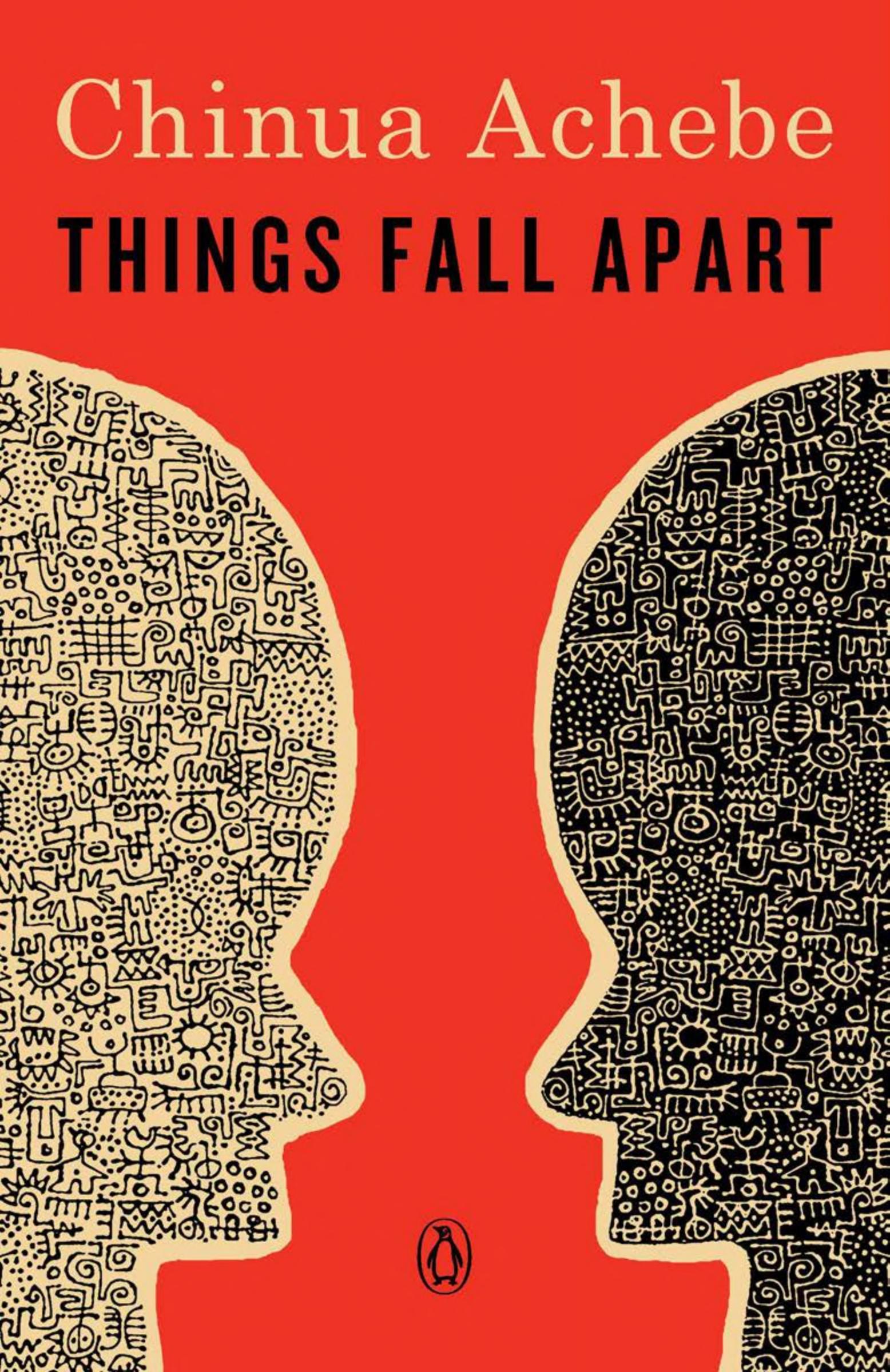
Chinua Achebe wrote Things Fall Apart in direct response to the Africa he found in Western fiction — a place without history, without complex social structure, without the interior life that makes people people. His novel is a formal argument as much as a narrative: the specific social organization of the Igbo village, the specific rituals and disputes and relationships that structure Okonkwo’s world, are not background detail. They are the evidence that a civilization existed before colonialism, and its destruction is comprehensible as loss only because Achebe has first made it comprehensible as life. That standard — Africa rendered with the specificity that makes the argument land — is what the books here share.
The difference between fiction set in Africa and African fiction is not geographic. It is the difference between a setting used to stage another culture’s concerns and a setting that generates its own arguments from the inside out.
The Books
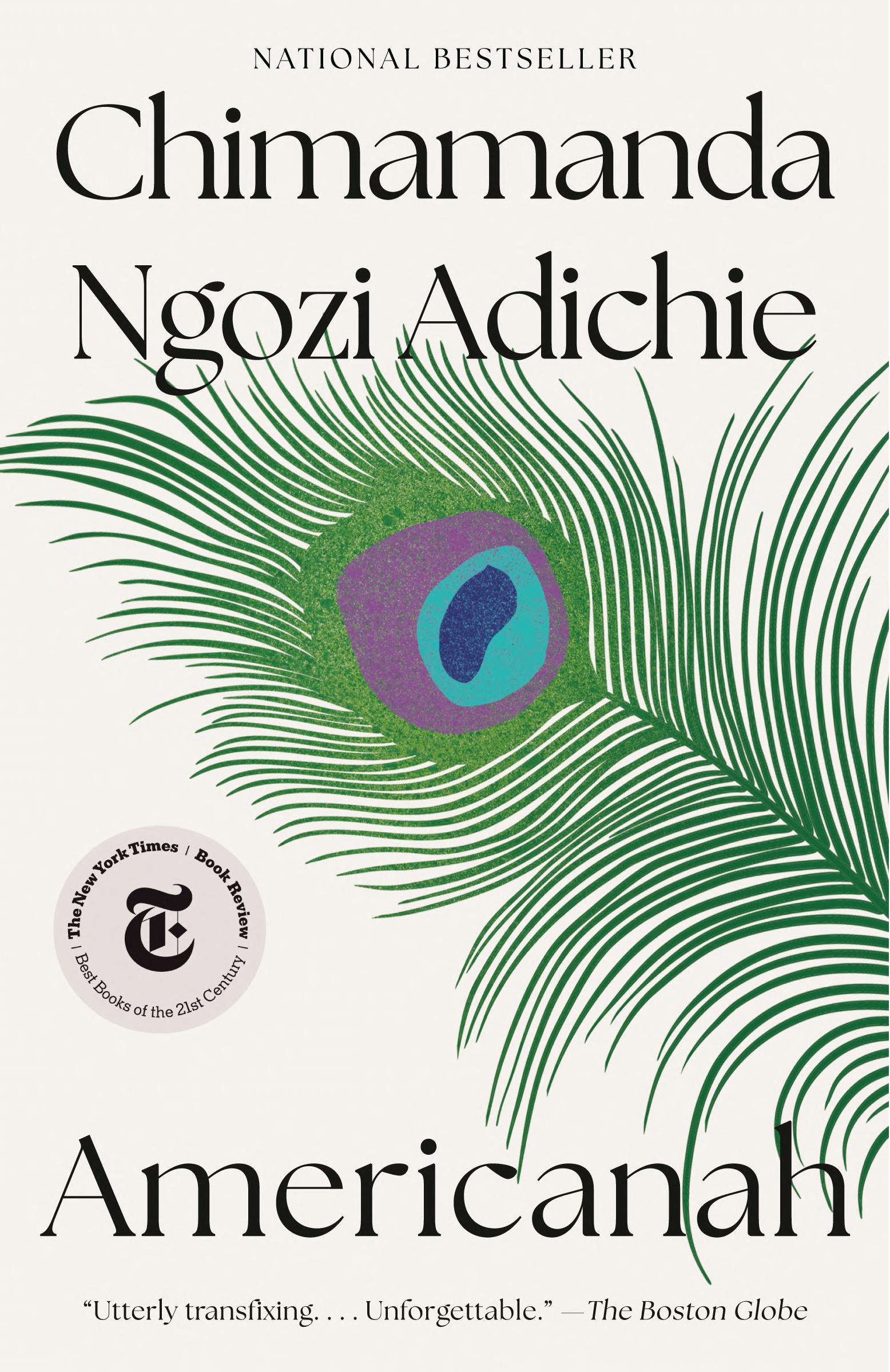
Things Fall ApartChinua AchebeThe foundational text of African literature in English and the novel that established the terms on which African fiction would engage with the colonial tradition. Achebe renders the Igbo village world of Okonkwo with structural precision and full humanity before showing its systematic dismantling by British colonial administration and Christian mission, which means the loss is legible as actual loss rather than as the inevitable march of progress. The novel has been accused of nostalgia for a world that included real violence and injustice, and Achebe is not interested in sentimentalizing Okonkwo’s world — he is interested in insisting that it was a world, with its own logic and its own people, before it was made into a problem to be solved. HomegoingYaa GyasiGyasi traces two lines of a Ghanaian family across eight generations — one sold into slavery, one remaining in Ghana — and uses the structural divergence to make an argument about what the transatlantic slave trade actually produced on both sides of the Atlantic. The Ghana chapters are not simply the African half of an American story; they have their own history of colonial administration, Gold Coast society, and post-independence politics that is as fully rendered as the American chapters. Gyasi refuses the common move of treating African history as backdrop for the diaspora story; both the Ghanaian and American lines are equally the novel’s subject. Half of a Yellow SunChimamanda Ngozi AdichieAdichie’s Biafran War novel is the most formally ambitious African novel since Things Fall Apart, and it shares Achebe’s foundational argument: that a specific African world must be fully rendered before its destruction can be understood as loss rather than as historical inevitability. The Nigeria of the early 1960s — its intellectual culture, its class dynamics, its complex relationship to colonial languages and institutions — is depicted with the precision of someone who knows it from the inside, which means the war’s destruction of that world carries specific rather than generic weight. The three perspectives — Ugwu the houseboy, Olanna the professor, Richard the English observer — give the novel access to the full social range of what was being destroyed. AmericanahChimamanda Ngozi AdichieAdichie’s novel operates between Lagos and Princeton, between Nigeria and America, and uses the perspective of a Nigerian woman experiencing American race for the first time to make one of the most precise accounts available of how racial categories work. Ifemelu’s outsider-insider position — Black in America in a way she was not Black in Nigeria, Nigerian-American in a way that is legible to neither country fully — gives Adichie access to observations that neither an African-American nor a white American narrator could make with the same clarity. The Lagos sections, which frame the novel and return to close it, are as fully realized as the American ones, and the novel’s argument is ultimately about what Nigeria and America each see and fail to see in each other. The No. 1 Ladies’ Detective AgencyAlexander McCall SmithMcCall Smith is not African, and the novel’s warmth has been criticized in some quarters for the specific kind of affection it brings to Botswana — too admiring, too content with surfaces, not sufficiently critical. The criticism has merit and is worth holding. What the novel does well, and what earns its place on this list, is render Botswana as a specific and particular country — its landscape, its social customs, its specific post-independence character — rather than as generic Africa. Precious Ramotswe’s relationship to her country, her father’s memory, and her specific community is rendered with genuine love for the particular, and the novel is at its best when that particularity is in focus. A Long Way GoneIshmael BeahBeah’s memoir of his years as a child soldier in Sierra Leone is the most direct first-person account on this list, and the most important for understanding how the West typically encounters African conflict — through journalism and advocacy that emphasizes victimhood — and what is lost in that framing. Beah writes not as a victim or as a symbol but as a specific person who was twelve when his village was destroyed, who was recruited into a rebel army, who committed acts he subsequently had to live with, and who was eventually rehabilitated. The memoir’s moral complexity is its argument: that the child soldier is a human being rather than a category, and that understanding what happened to him requires understanding the specific conditions that produced it. Who This Is For
Readers who want to engage seriously with African literature and history but do not know where to start — who recognize that their existing mental map of Africa is inadequate and want fiction that replaces the vague outline with specific and human detail. Also readers who have read Things Fall Apart and want to understand the tradition it established and the writers who have built on it. The literary fiction and nonfiction catalogues have more in this direction.
Frequently asked questions
Q: What is the best African novel to read first?
A: Things Fall Apart if you want to start with the tradition’s foundational text and with Nigeria. Homegoing if you want to start with contemporary African fiction and with a novel that connects African and African-American history explicitly. Americanah if you want to start with the perspective of an African navigating Western racial categories.
Q: Is Half of a Yellow Sun difficult to read?
A: It is demanding in its historical specificity — the Biafran War and the events leading to it are not widely known outside Nigeria, and Adichie does not provide extensive background. A brief overview of the Nigeria-Biafra conflict before reading significantly enriches the experience. The prose itself is not difficult, and the three perspectives make the novel more accessible than a single-narrator historical epic would be.
Q: Why is Heart of Darkness not on this list?
A: Because Conrad’s novel renders Africa as symbolic landscape for a European character’s psychological journey — it is not a novel about Africa but a novel set in Africa, and the Congolese people in it have no interior lives. Achebe’s famous essay “An Image of Africa: Racism in Conrad’s Heart of Darkness” makes this argument in detail and remains essential reading for anyone engaging seriously with African literature.
Q: What should I read after Americanah?
A: Half of a Yellow Sun covers a different period of Nigerian history — the 1960s and the Biafran War — with more historical specificity. We Should All Be Feminists is Adichie’s short essay based on a TED Talk that provides an accessible entry point to her thinking outside the fiction. Purple Hibiscus is her debut novel, set in post-military Nigeria and closer in tone and scale to a coming-of-age story.
Not sure which of these is right for you specifically? The Pagesmith quiz matches you to books based on your mood, pacing preference, and reading goals, not bestseller lists. Takes two minutes.