The distinction between nonfiction and fiction matters less than people think when it comes to reading experience. The best nonfiction books that read like fiction share the same qualities as the best novels: a central character whose interiority you inhabit, a story with momentum, scenes that put you in a specific place and time, and a narrative that makes you turn pages to find out what happens next. The difference is that what happens next actually happened.
What makes nonfiction read like fiction
Technique. The writers below use everything available to novelists — scene-setting, dialogue, character development, dramatic structure, withholding and revelation — applied to true material. The result is a different kind of reading experience from both journalism and traditional nonfiction: you’re getting the truth, but you’re getting it through a story.
The best narrative nonfiction gives you the pleasures of a novel and then, at the end, reminds you it was all real — which makes it hit twice as hard.
True crime and investigative nonfiction
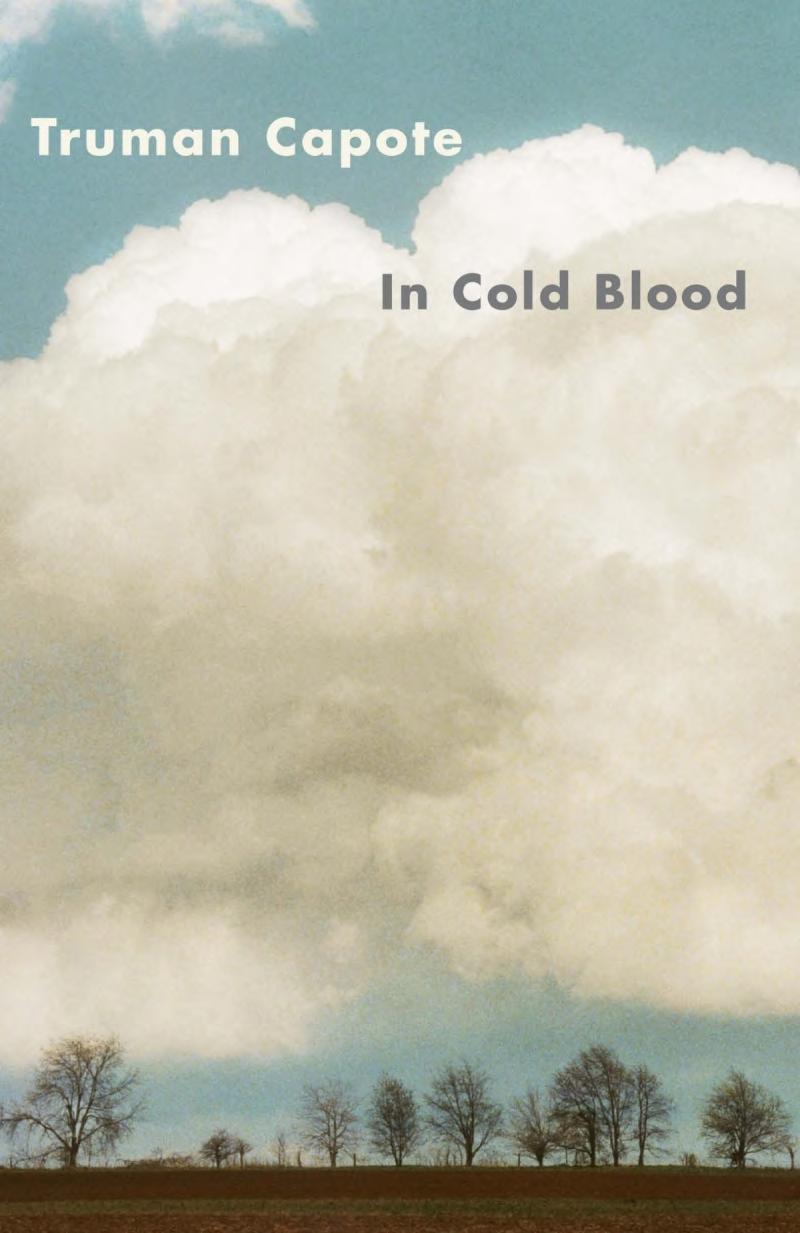
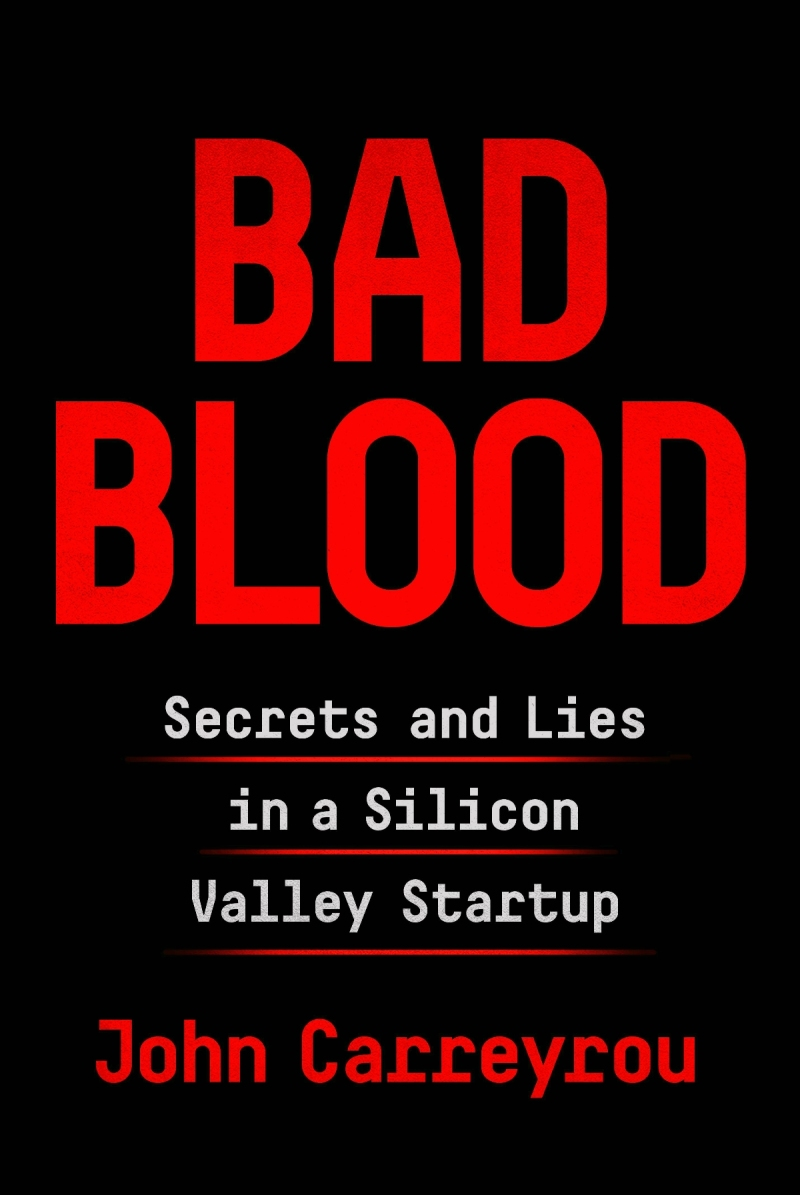
The purest intersection of nonfiction and thriller structure. These books have the pacing of crime fiction because they’re telling crime stories — but the stakes feel different when you remember that the people involved were real.
Adventure and survival nonfiction
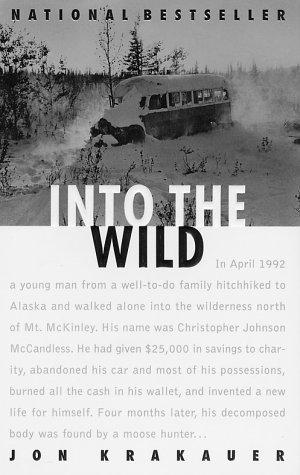
The oldest form of narrative nonfiction: someone went somewhere extraordinary and this is what happened. The best examples don’t read like travel writing — they read like action novels.
Memoir that reads like a novel
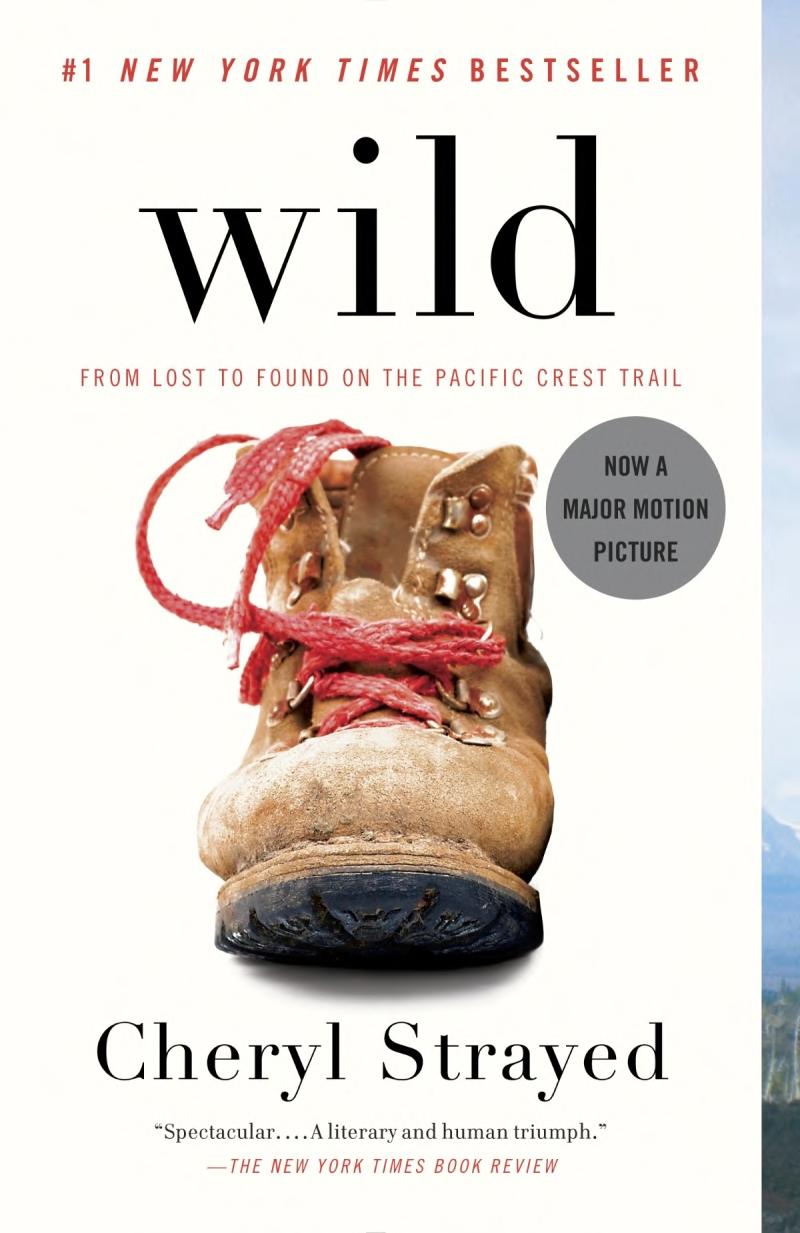
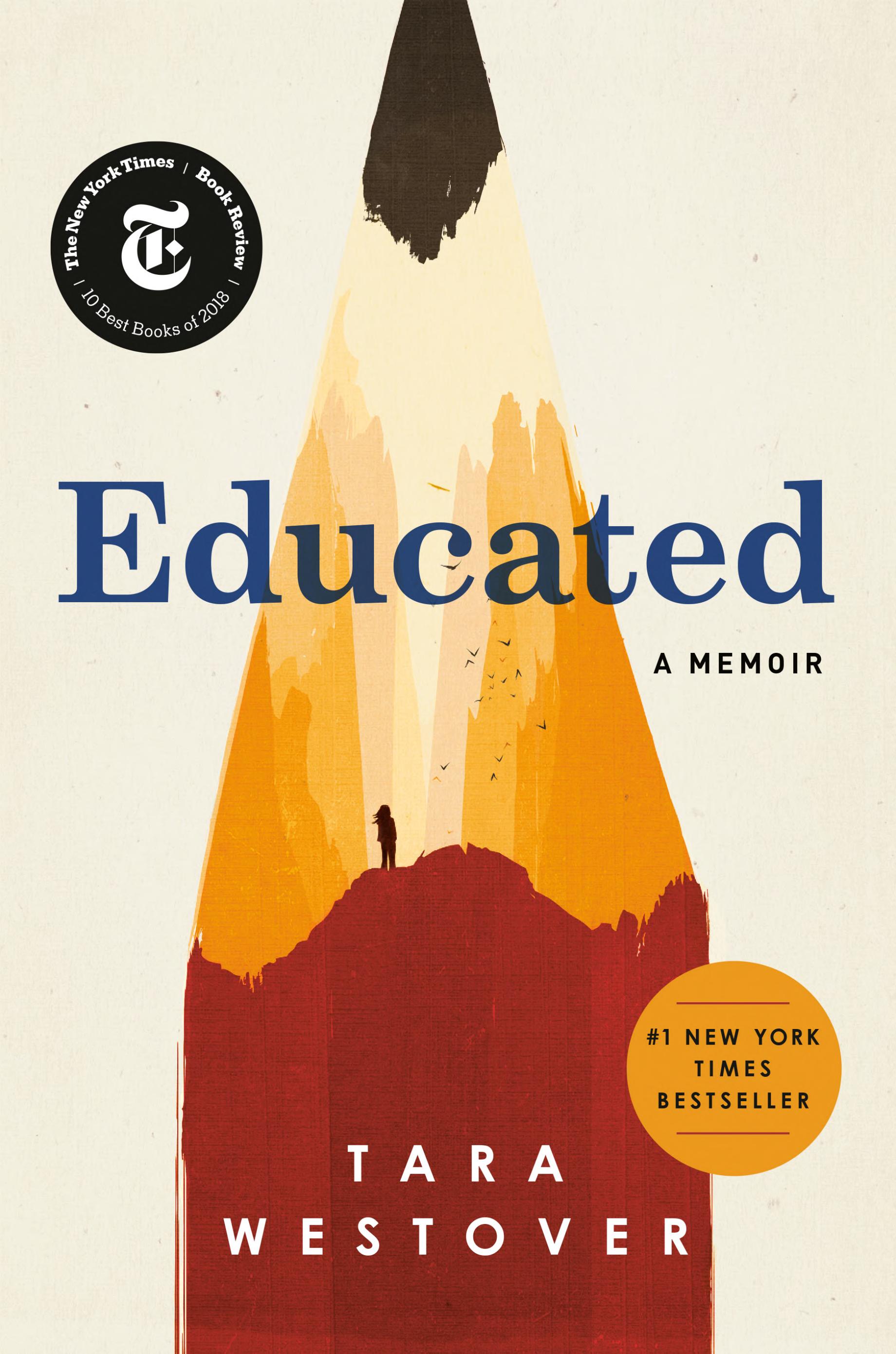
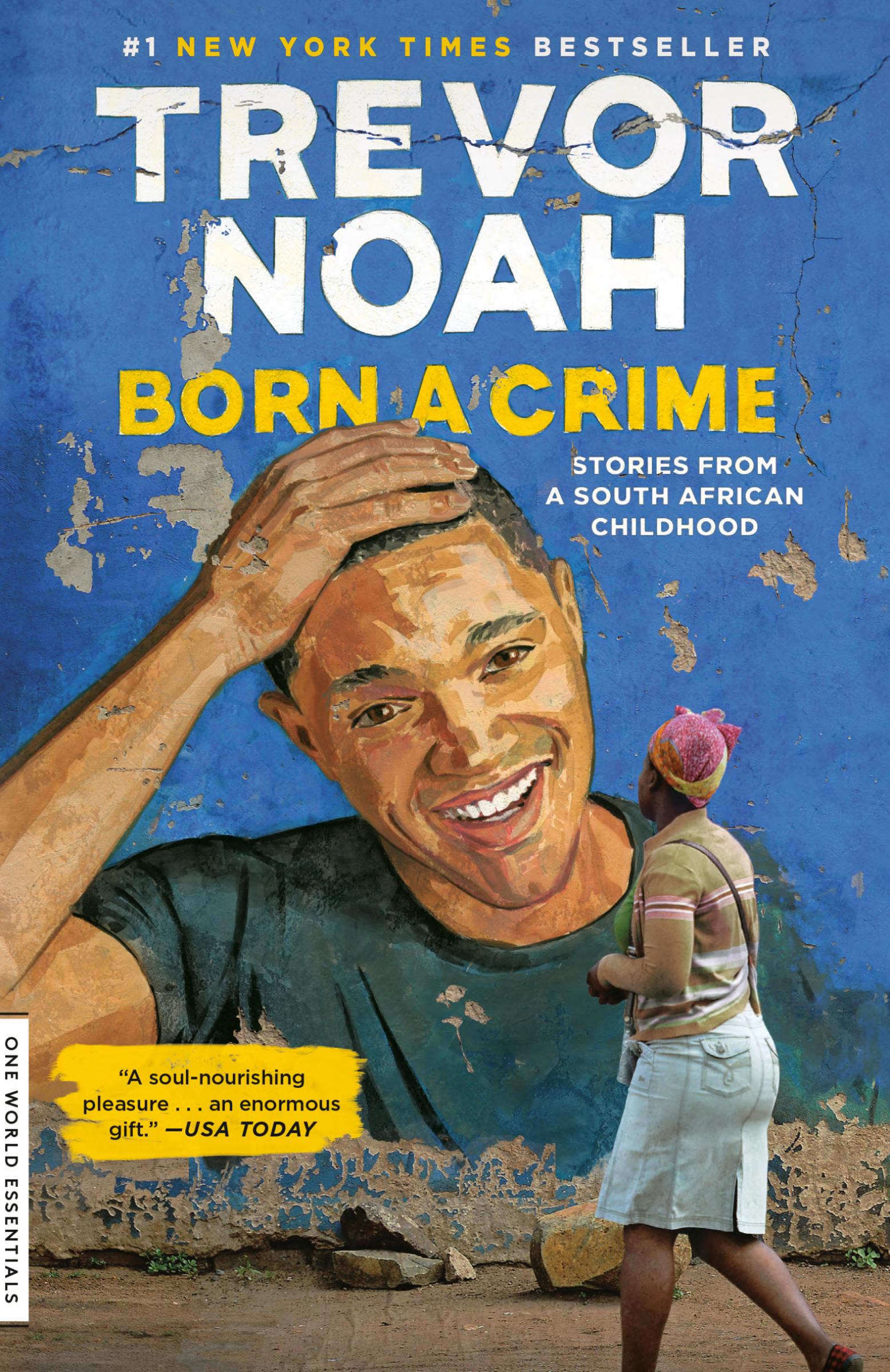
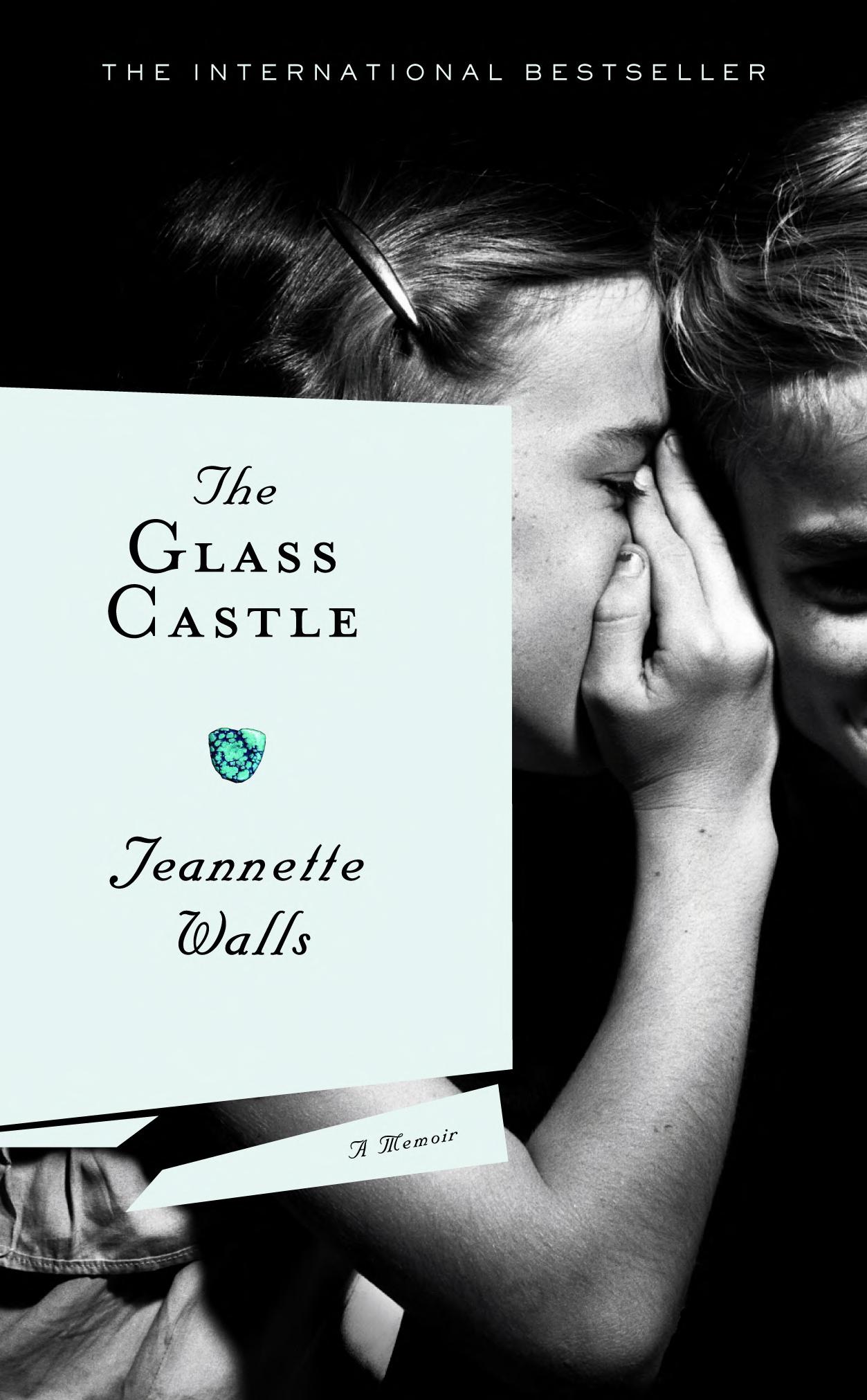
The best memoirs do what the best novels do: they give you a character in full, without the flatness of official biography or the distance of journalism. These three are among the finest examples in recent memory.
Who this is for
This list is for readers who want the pleasures of fiction — story, character, momentum — without the gap that sometimes exists between invented narrative and reality. If you’ve avoided nonfiction because you found it dry, start with Born a Crime or Into the Wild — both are fast, both are vivid, and both will recalibrate what you think nonfiction can do. The full nonfiction catalogue has more in this register.
Frequently asked questions
Q: What is the best nonfiction book that reads like a novel? A: In Cold Blood by Truman Capote is the standard answer — it invented the genre of literary nonfiction. For something more recent, Educated by Tara Westover has the same quality of making you forget you’re reading journalism rather than invented fiction.
Q: What nonfiction books are good for people who only read fiction? A: Born a Crime by Trevor Noah (fast, funny, structured like a comic novel), Wild by Cheryl Strayed (visceral first-person narrative with novelistic momentum), and The Glass Castle by Jeannette Walls (reads as compulsively as domestic thriller fiction). All three are accessible to readers who find traditional nonfiction slow.
Q: What is narrative nonfiction? A: Nonfiction that uses novelistic techniques — scene-setting, character development, dialogue, dramatic structure — to tell true stories. It’s distinguished from both journalism (which prioritises information over story) and traditional nonfiction (which prioritises argument or analysis). In Cold Blood, published in 1966, is generally credited as the first major work of the form.
Q: Is narrative nonfiction trustworthy? A: The best of it is, yes — but it requires more care from both writer and reader than standard journalism. Writers like Capote, Krakauer, and Carreyrou are scrupulous reporters using literary technique, not inventing scenes. The places where narrative nonfiction becomes unreliable are memoirs, where memory is inherently selective — Westover is transparent about this limitation, which is part of what makes Educated so interesting as a text.
Not sure which of these is right for you specifically? The Pagesmith quiz matches you to books based on your mood, pacing preference, and reading goals — not bestseller lists. Takes two minutes.