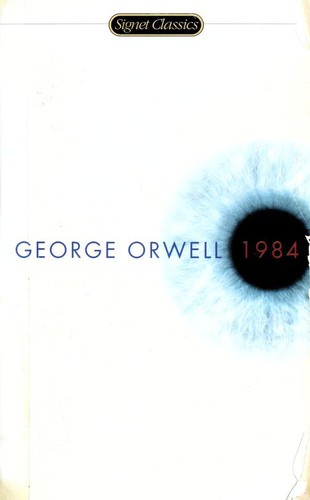
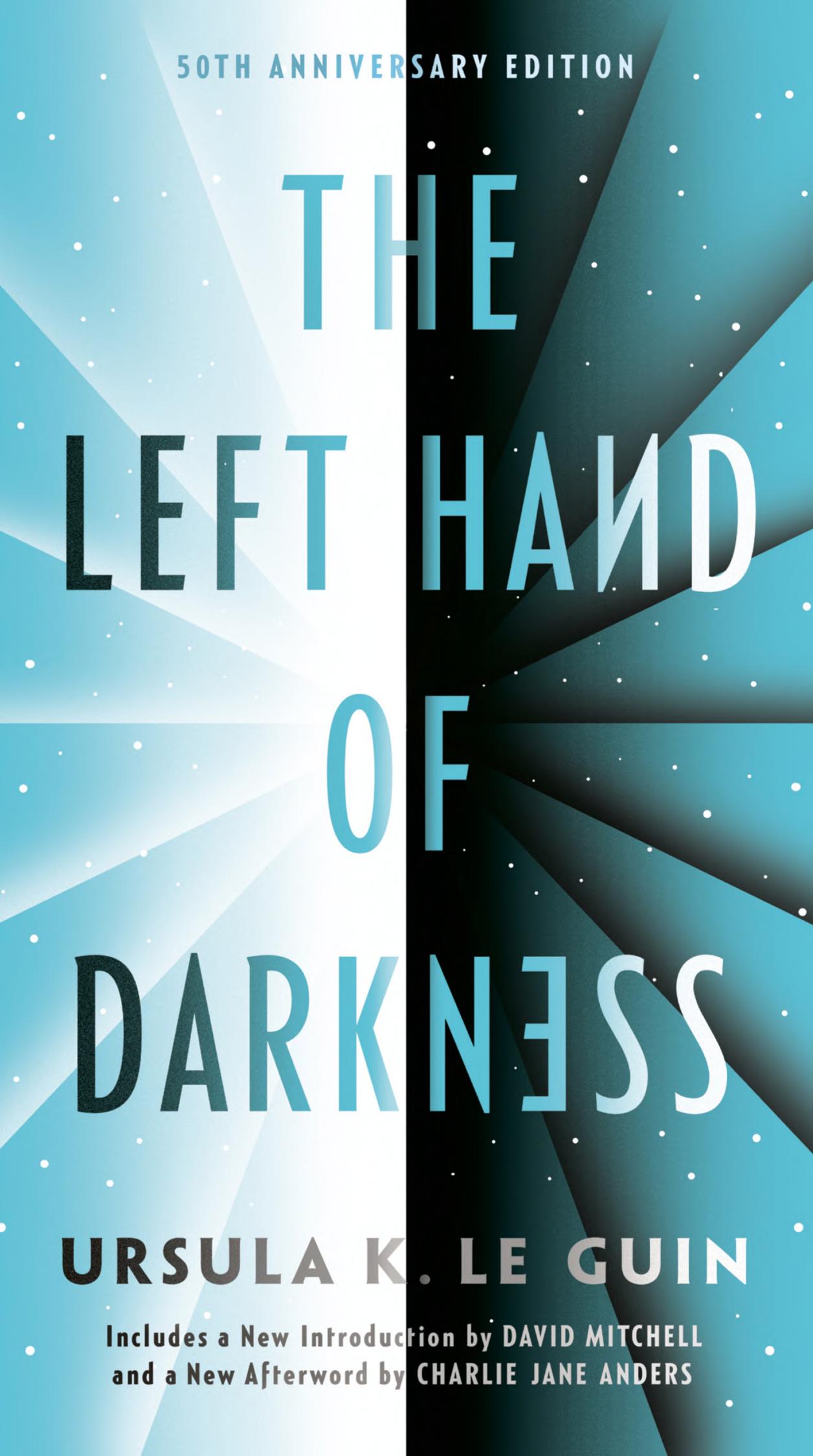
The best science fiction books of all time share one quality: they use speculative premises to make arguments that couldn’t be made any other way. Orwell needed totalitarianism to be complete and inescapable; only a future society could do that. Le Guin needed to remove gender entirely to examine what it actually does to human relationships. The premise isn’t decoration — it’s the point. That’s what separates the great science fiction from genre entertainment, and why this list leans toward books that have something to say.
The foundational canon
These are the books every serious reader of science fiction has encountered, and for good reason. Each one permanently changed what the genre could do.
The best science fiction doesn’t predict the future. It uses the future to see the present more clearly than the present will allow.
The best modern science fiction
For readers who want something more challenging
Who this is for
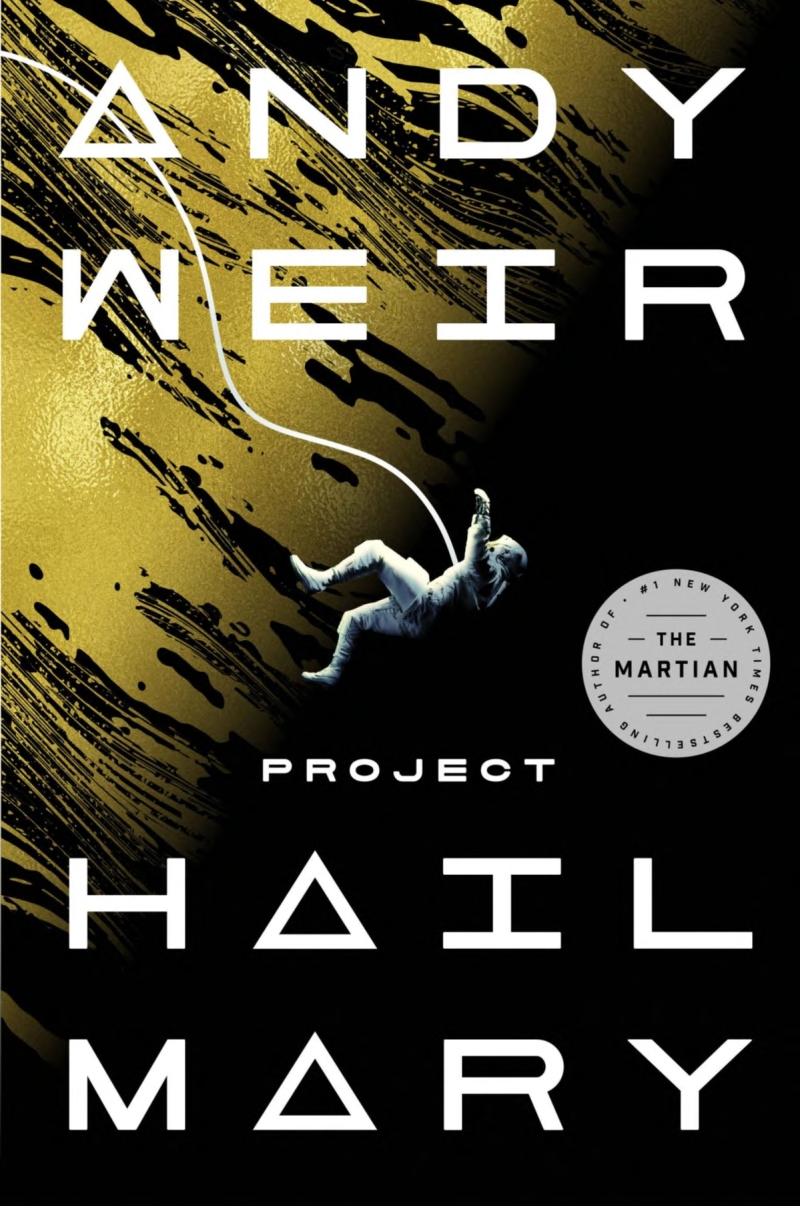
This list is for readers who want science fiction that earns its place alongside the best literary fiction — books with ideas as well as plot, where the speculative premise is doing real work. If you’re new to the genre, start with Project Hail Mary or Station Eleven — both are accessible without being thin. If you’re an established reader wanting the canon, Dune and The Left Hand of Darkness are essential. Browse the full science fiction catalogue for more.
Frequently asked questions
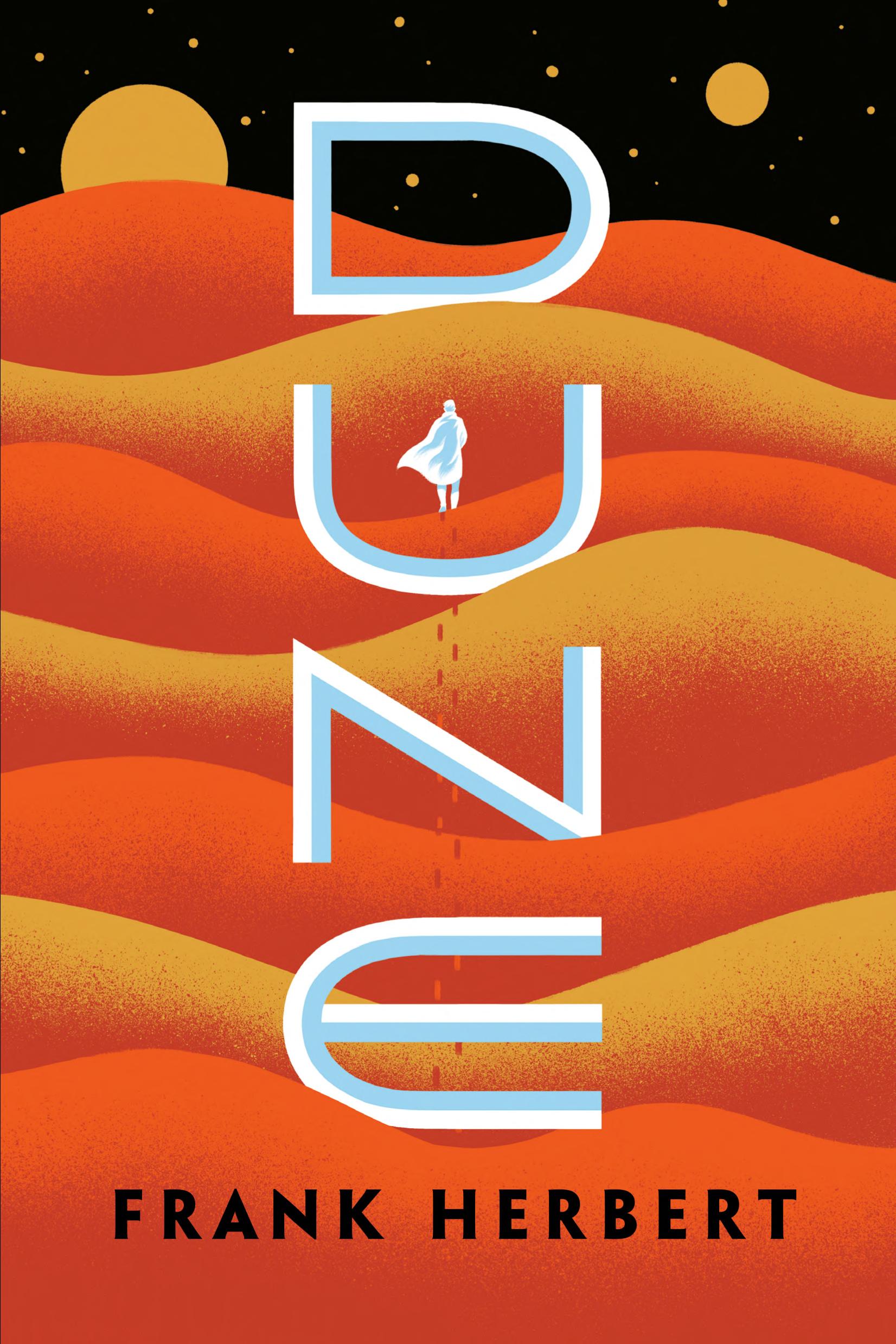
Q: What is the greatest science fiction novel ever written? A: There’s no consensus, but the most commonly cited are Dune, 1984, and The Left Hand of Darkness — three very different books that each permanently expanded what the genre could do. Dune for worldbuilding, 1984 for political argument, Le Guin for humanistic depth.
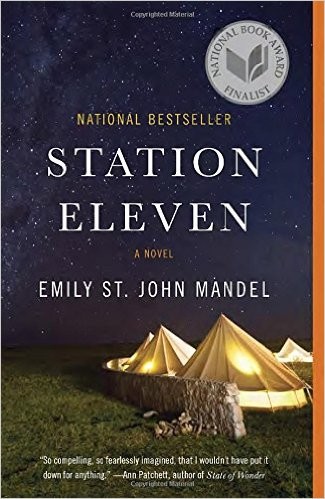
Q: What science fiction should I read if I only like literary fiction? A: Station Eleven by Emily St. John Mandel is the clearest bridge — it won literary awards and has the structure and concerns of a literary novel that happens to be set after a pandemic. Never Let Me Go by Kazuo Ishiguro is another option.
Q: What are the best science fiction books for beginners? A: Project Hail Mary by Andy Weir is the most purely readable entry point — fast, funny, and gripping without requiring any genre familiarity. The Hitchhiker’s Guide to the Galaxy is the funniest. Ender’s Game is the most propulsive.
Q: Is Dune worth reading in 2026? A: Yes. The films have made it more accessible as a starting point, but the novel goes considerably deeper — it’s a 900-page argument about ecology, religion, colonialism, and the danger of messianic thinking. Nothing else in the genre covers the same ground.
Not sure which of these is right for you specifically? The Pagesmith quiz matches you to books based on your mood, pacing preference, and reading goals — not bestseller lists. Takes two minutes.