Thrillers are the most honestly commercial genre in fiction: they make a direct promise to the reader — you will not be bored — and keep it through the sustained management of tension. The best thriller books do this while also doing something else. They use the forward momentum of the genre to carry a weight that slower fiction might struggle to deliver. Silence of the Lambs isn’t just a serial killer procedural; it’s a precise account of how a woman navigates a system designed to dismiss her. The Girl with the Dragon Tattoo isn’t just a crime novel; it’s a forensic examination of institutional misogyny. The best thrillers earn their pages twice.
Psychological thrillers: tension from the inside
These books generate their dread from character rather than plot — from the specific experience of being inside an unreliable or compromised mind.
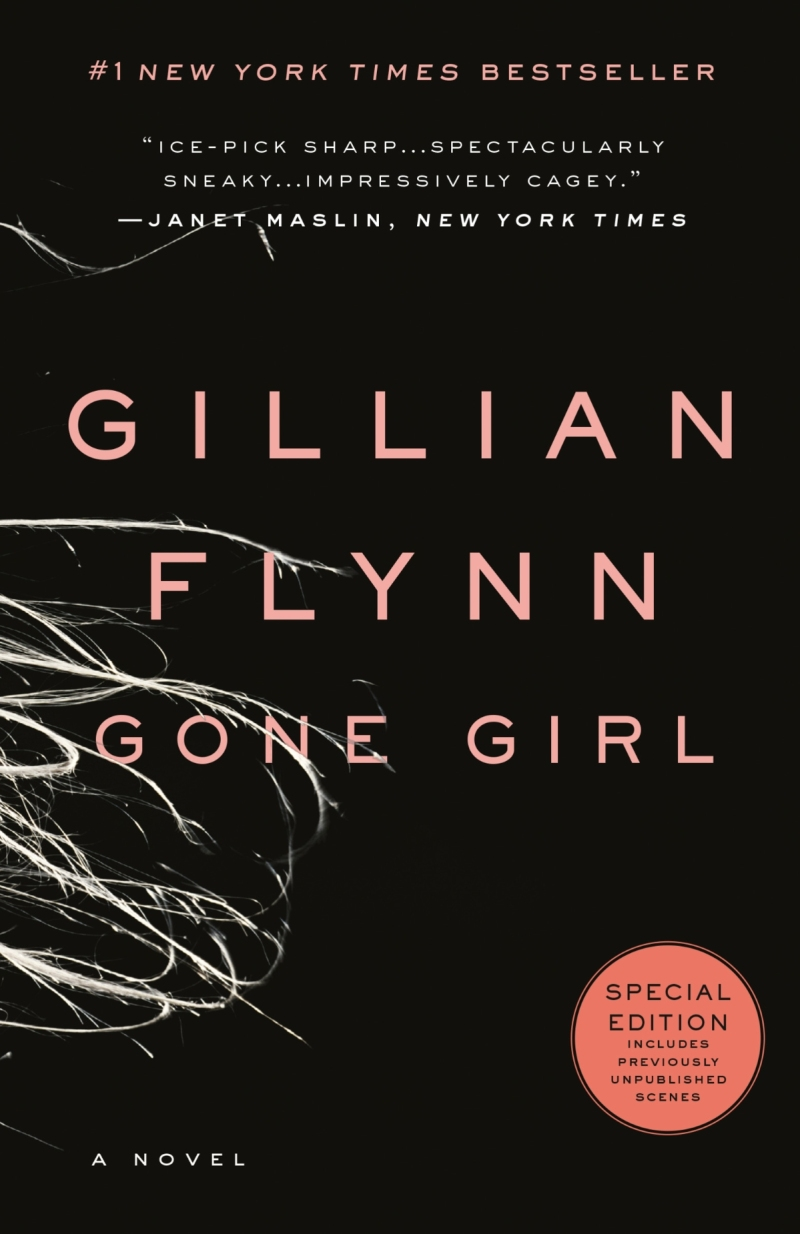
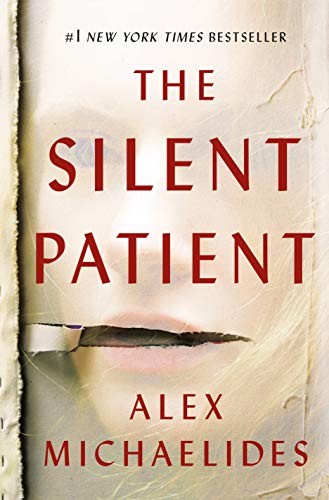
The best thrillers earn their pages twice — once for tension, once for what the tension is carrying underneath it.
Crime and investigation: the puzzle with stakes
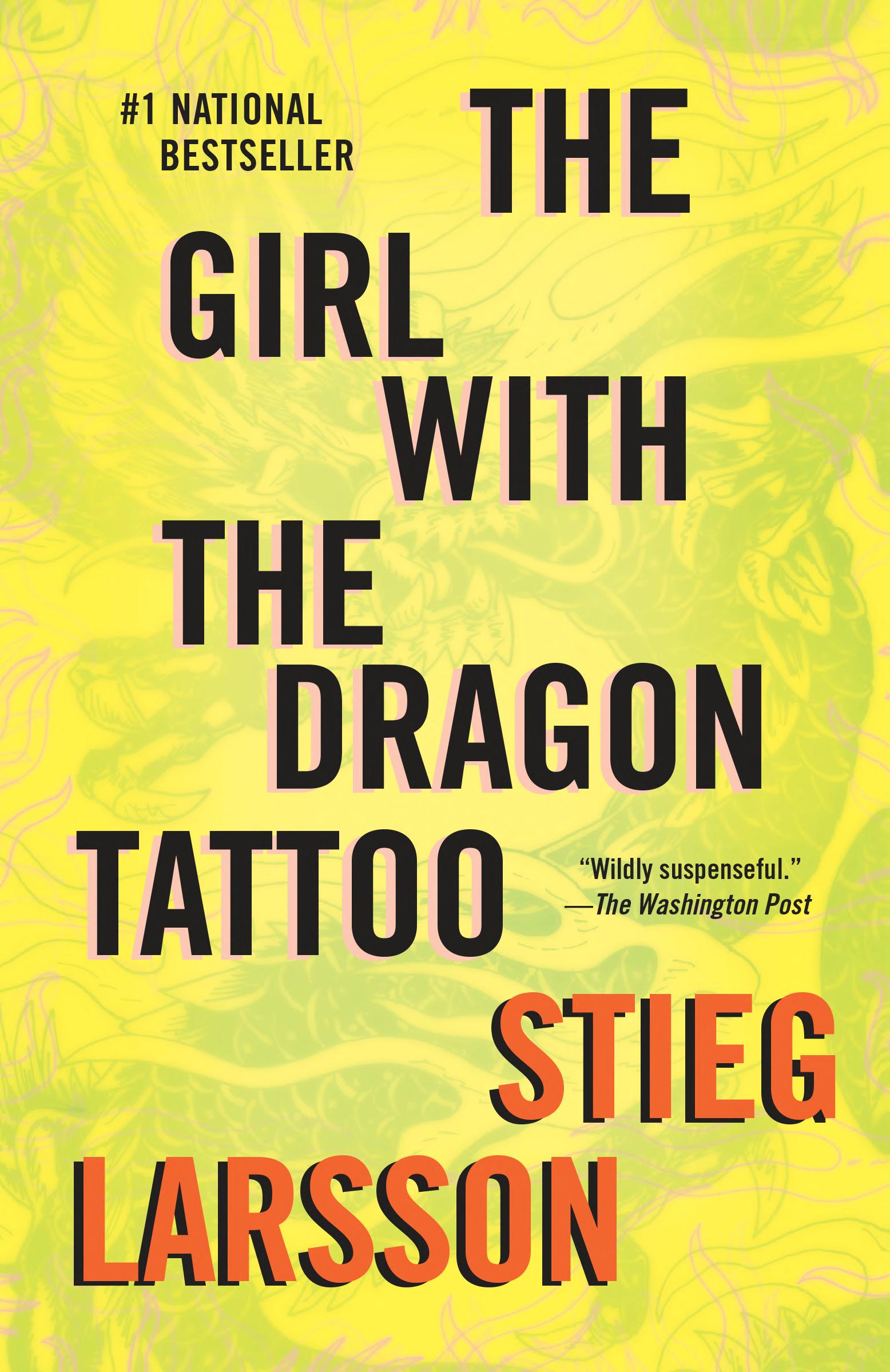
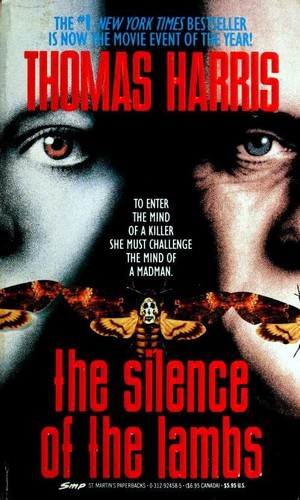
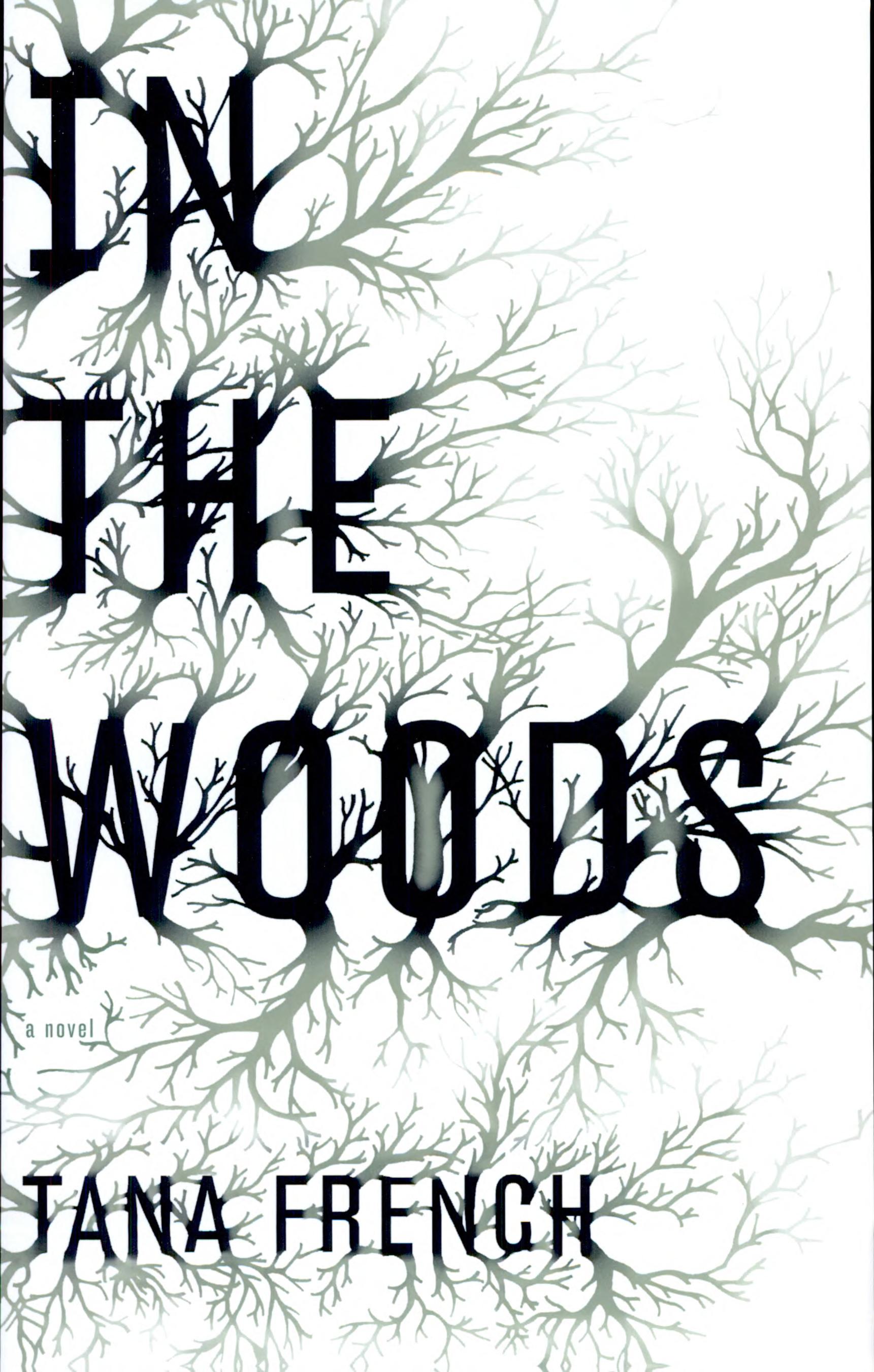
Atmospheric mystery: dread over pace
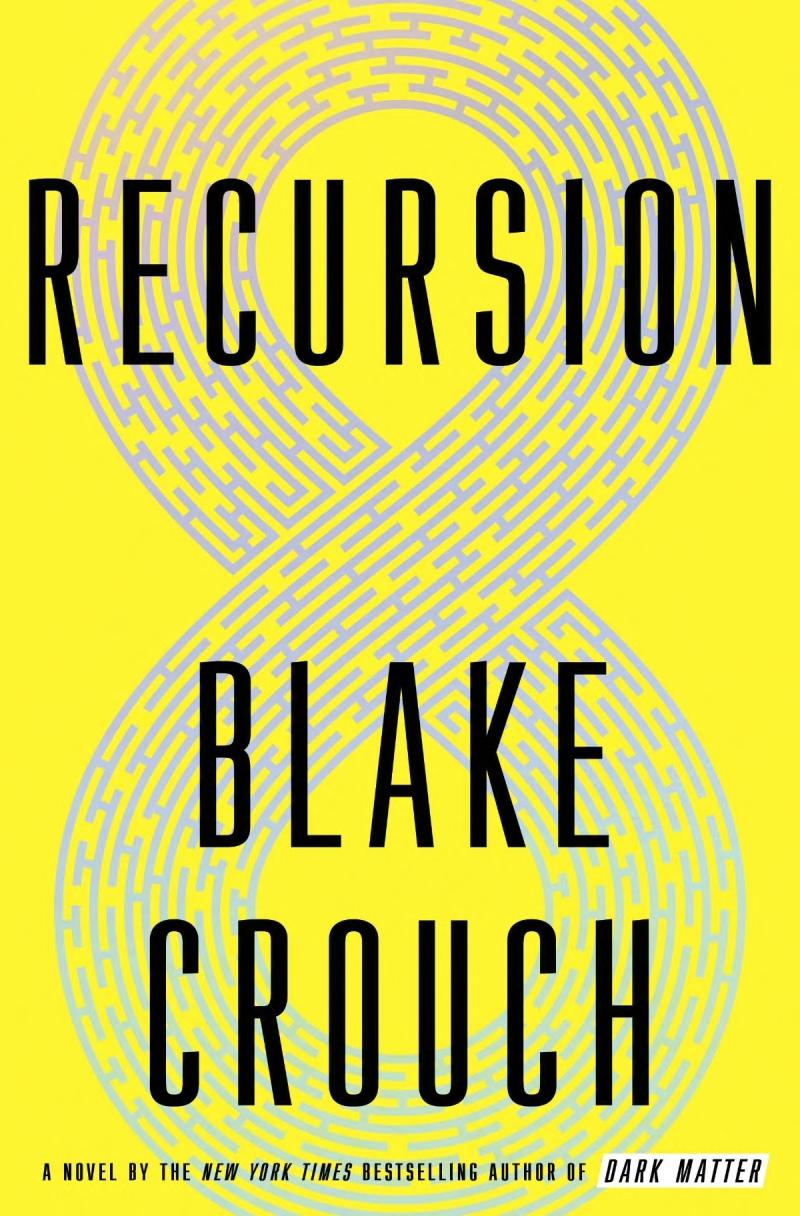
The most purely propulsive
Who this is for
This list covers the range of what thriller fiction can do — psychological complexity, procedural investigation, atmospheric dread, and pure propulsion. If you want the most structurally sophisticated, Gone Girl or The Silent Patient. If you want the most literary, In the Woods. If you want the fastest, Recursion. If you want the most substantial, The Girl with the Dragon Tattoo or The Silence of the Lambs. Browse the full thriller and mystery catalogue for more.
Frequently asked questions
Q: What is the best thriller book ever written? A: The Silence of the Lambs consistently tops critical lists for the genre — it delivers complete thriller satisfaction while operating at a level of character and thematic depth most thrillers don’t attempt. Gone Girl is the most influential thriller of the past twenty years and the right answer for readers who want psychological complexity over procedural craft.
Q: What thriller should I start with if I’m new to the genre? A: The Silent Patient by Alex Michaelides is the most accessible entry point — tight, fast, and built around a single compelling central question. Gone Girl is the most culturally significant starting point. Both are under 400 pages and designed to be read in two or three sittings.
Q: What is the difference between a thriller and a mystery? A: Mysteries centre on a puzzle the reader and protagonist solve together — the emphasis is on deduction. Thrillers prioritise tension and forward momentum, often with the reader knowing more than the protagonist. Gone Girl is both. In the Woods is closer to mystery. Recursion is pure thriller. The distinction blurs constantly in the best examples of each.
Q: What thrillers are literary enough for readers who usually read literary fiction? A: In the Woods by Tana French is the clearest crossover — she writes character and atmosphere at a level literary fiction readers respond to, within a genre structure. Gone Girl is the other reliable recommendation: Flynn’s prose is too intelligent and her argument too specific to be dismissed as genre entertainment.
Not sure which of these is right for you specifically? The Pagesmith quiz matches you to books based on your mood, pacing preference, and reading goals — not bestseller lists. Takes two minutes.