Small Towns, Big Secrets: Books Like Beartown
Beartown works because the crime is not a mystery but a moral crisis -- everyone knows what happened, and the novel is about what the community does with what it knows. These books use crime as the mechanism that forces a community to reveal who it actually is.
May 2026 · 8 min read · The Pagesmith
Beartown is not a crime novel in the conventional sense. There is no mystery about what happened or who did it; the novel is not organized around the question of guilt. It is organized around a different and more interesting question: what does a community do when it knows the truth and the truth is inconvenient? The hockey team is the town’s identity, the accused player is the team’s future, and the victim is a girl whose father coaches the team she has tried to leave behind. The crime reveals the social architecture that was already there — the hierarchies, the loyalties, the specific ways that small communities enforce what they need to believe about themselves — and the novel is about the choices each person makes when those structures are exposed and require a position. The books here share that structural use of crime: not as a puzzle to be solved but as the mechanism that strips away a community’s comfortable self-presentation and forces the people inside it to reveal who they actually are.
The pleasure of the whodunit is resolution: the puzzle is solved, the guilty party identified, order restored. The pleasure of community crime fiction is something more uncomfortable: the revelation that the community’s response to the crime is itself the crime — the cover-up, the choosing of sides, the decision to protect the institution rather than the victim. Beartown is not primarily about what one person did to another. It is about what the town of Beartown does with what happened, and the answer is not flattering. The books here are all organized around that same interest: less in the act than in the response to the act, less in the guilt than in the distribution of it across a community that would rather not look directly at what it has produced.
The most honest community crime fiction is not about a single bad actor. It is about the social architecture that enabled the act and then mobilized to protect itself from the consequences of it — which turns out to be a more recognizable and more disturbing story.
The Books
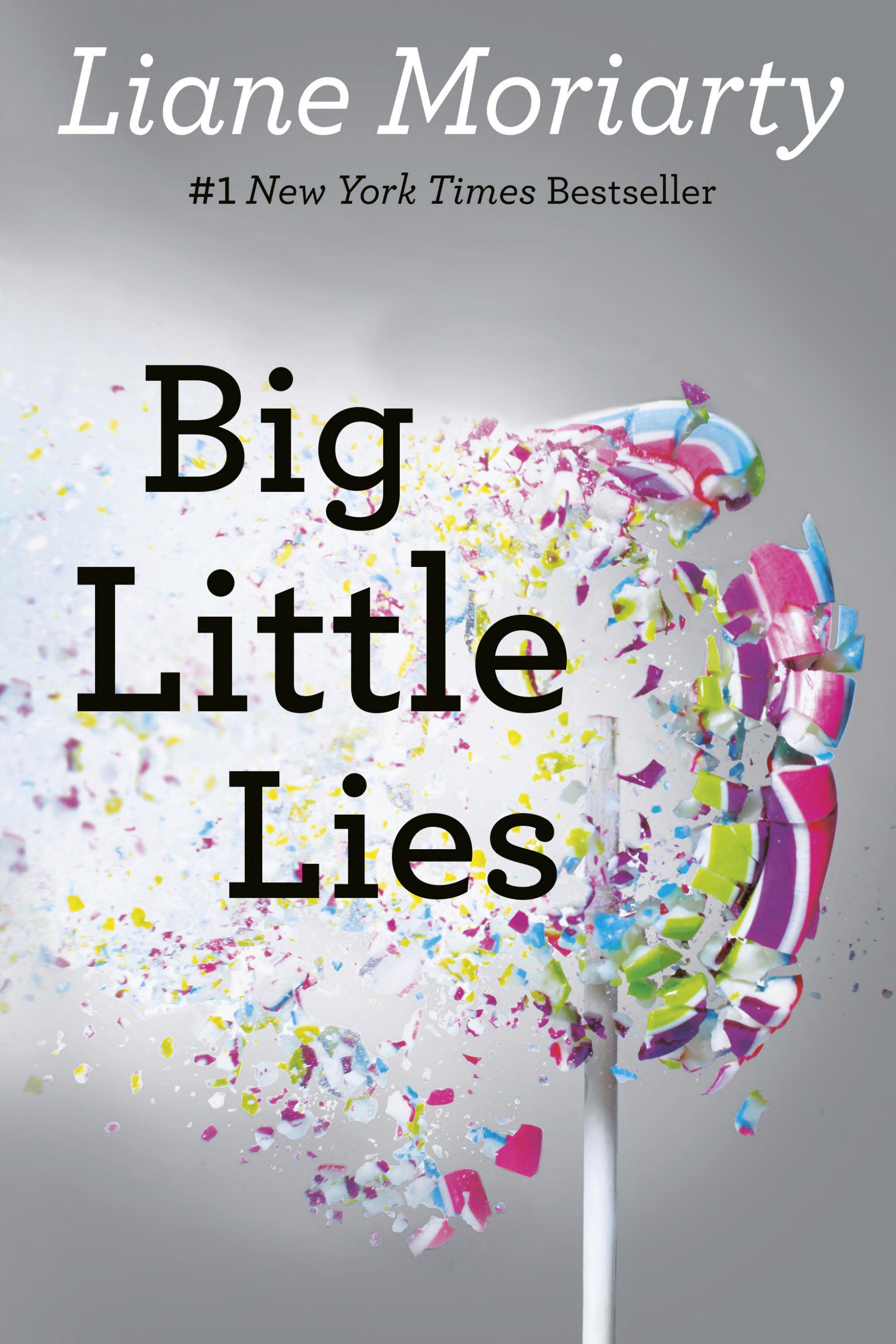
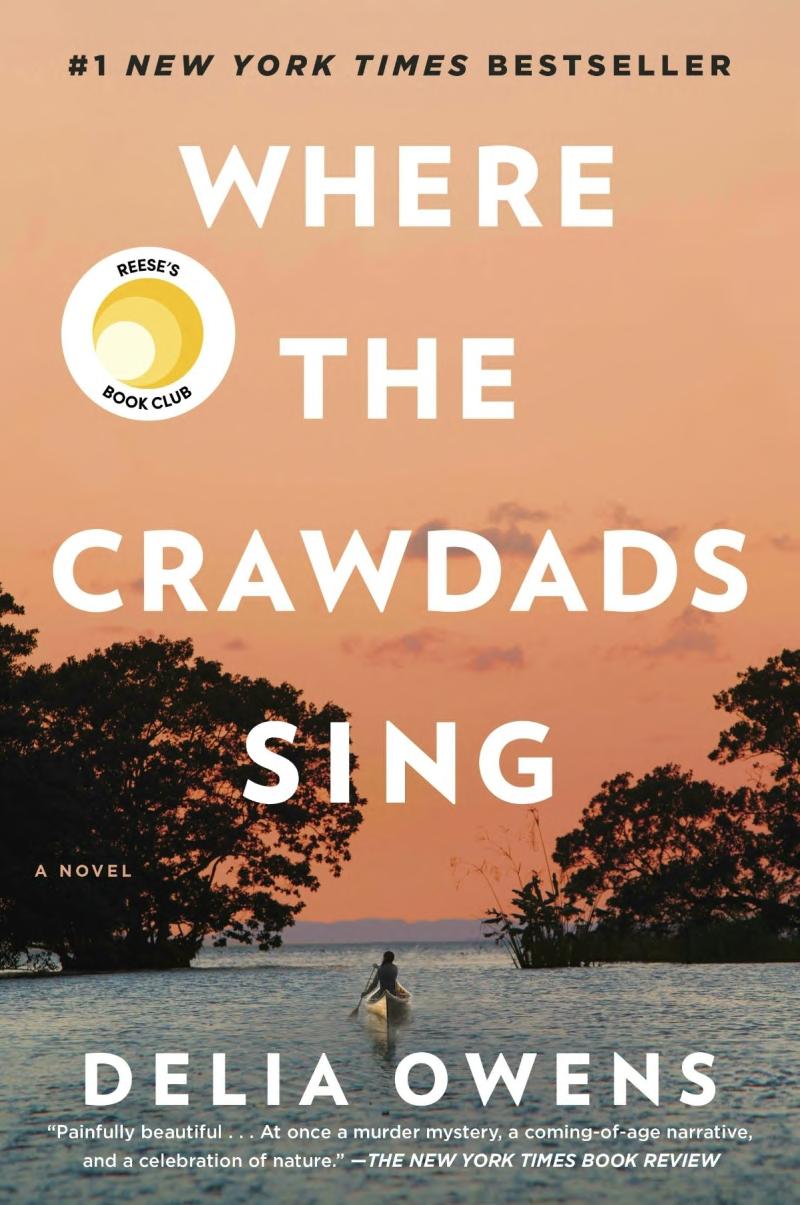
Big Little LiesLiane MoriartyThe most direct structural companion to Beartown: a tight-knit community organized around a school rather than a hockey team, a crime that everyone knows occurred at the school’s trivia night, and a novel whose forward drive comes not from the question of what happened but from the question of what each character was doing when it happened and why. Moriarty uses the same technique as Backman — the ensemble of fully realized characters whose social positions determine their responses to the crisis — and the same refusal to make the institutional culture’s role invisible. The domestic violence that underlies the novel’s surface comedy is Beartown’s sexual assault in a different register: both books are organized around the specific way communities absorb and manage violence when the violent person is also valuable to the community’s self-image. Mystic RiverDennis LehaneLehane’s Boston neighborhood novel is the darkest and most formally demanding entry on this list, and the one that most directly examines how a community’s specific history of violence shapes the responses its members have available to them. Three childhood friends whose lives diverged after a traumatic event are brought back together by a murder, and Lehane is interested in what each of them does with incomplete information in the specific way that Backman is interested in what Beartown does with complete information. The neighborhood is as much a character as any of the three men, and the novel’s argument — that the past is not past but is operating continuously in the present — is made through the community’s texture rather than through any single character’s psychology. Little Fires EverywhereCeleste NgNg’s novel is organized around a planned community — Shaker Heights, Ohio, with its explicit rules about diversity and order — whose self-presentation as a progressive, welcoming place is tested by a custody dispute that forces its residents to choose sides along lines the community’s ideology does not permit it to acknowledge. Like Beartown, Little Fires Everywhere uses a community that has constructed a coherent identity around specific values, and a crisis that exposes the gap between the stated values and the actual social architecture underneath them. Ng is more interested in race and class as the axes of the community’s hidden hierarchy where Backman is more interested in gender and athletic celebrity, but the structural analysis is the same. Where the Crawdads SingDelia OwensOwens approaches the community-crime structure from the perspective of its most complete outsider: Kya Clark has never been fully inside the Barkley Cove community, and the novel’s mystery is organized around what that exclusion means when she becomes the obvious suspect for a community member’s death. The town’s response to Kya — the specific way it has always categorized and dismissed her — determines the shape of the prosecution, and Owens uses the crime to make visible the community’s social hierarchy in the same way Backman uses the assault. Less morally complex than Beartown and with more explicit thriller mechanics, but sharing its interest in how a community’s prior treatment of its most vulnerable members becomes the context in which it processes crime. MilkmanAnna BurnsBurns’s Man Booker winner is the most formally unusual entry on this list — no character is named, the setting is a Northern Irish community during the Troubles that is never directly identified — and the most precise account of how a community enforces silence about what it knows. The middle sister’s harassment by the milkman is an open secret, and the community’s response is not to acknowledge it but to incorporate it into the social fabric in ways that protect the community’s functioning at the cost of the individual. Burns is operating in the same territory as Backman but from inside a community where the social contract requires silence as a survival mechanism, which produces a different and darker version of the same argument: communities protect themselves from inconvenient truths because the truths are genuinely threatening to people who cannot afford to hold them. The Secret HistoryDonna TarttTartt’s novel is the closed-community version of Beartown’s argument: a small, intensely bonded group whose shared identity requires the suppression of inconvenient truths, and whose response to a crime is organized by the community’s need to preserve itself rather than any individual’s moral reasoning. The Dellecher Greek seminar is as much a community as Beartown — with its own hierarchy, its own values, its own definition of who belongs and who does not — and the question Tartt is asking is the same one Backman asks: when a community’s identity requires protecting something that should be exposed, what does each member choose? The most literary entry on this list, and the one with the most psychologically sophisticated account of how group identity produces individual moral failure. Who This Is For
Readers who finished Beartown understanding that the hockey was not the subject — the community’s response to the crime was the subject — and who want more fiction organized around that specific question: what does a community do when protecting itself requires abandoning someone? Also readers who want ensemble fiction in which multiple characters’ responses to a single event reveal the full complexity of a social world. The contemporary and thriller and mystery catalogues have more in this direction.
Frequently asked questions
Q: Is Beartown part of a series?
A: Yes. Us Against You is the direct sequel, returning to Beartown and its characters after the events of the first novel. The Bear, a third novel in the series, was published in Swedish and is available in English translation. Most readers find the sequels worth reading but the first novel the most complete and most powerful as a standalone.
Q: Is Mystic River appropriate for readers who found Beartown very dark?
A: Mystic River is darker than Beartown — the violence is more extreme, the psychological damage more sustained, and the ending less interested in any form of comfort or resolution. Readers who found Beartown’s darkness manageable but want more will find Mystic River rewarding. Readers who found Beartown at their limit should start with Big Little Lies or Little Fires Everywhere instead.
Q: What makes Milkman difficult to read?
A: Burns’s formal choices are deliberately disorienting: no names, indirect references to the historical context, a narrative voice that performs the community’s habit of talking around rather than directly about what it knows. The difficulty is the argument — the novel’s form enacts the community’s suppression of direct speech. Most readers find it becomes easier once calibrated to the voice, and the Man Booker Prize committee’s assessment that it is essential is accurate.
Q: What should I read after Beartown if I want more Fredrik Backman?
A: Us Against You is the direct sequel and returns to the same characters with more of the same moral seriousness. Anxious People is his most formally inventive novel, using an ensemble in a different way but sharing Beartown’s interest in ordinary people in extreme situations. A Man Called Ove is his warmest and most accessible, for readers who want the warmth more than the darkness.
Not sure which of these is right for you specifically? The Pagesmith quiz matches you to books based on your mood, pacing preference, and reading goals, not bestseller lists. Takes two minutes.