Most “books like Dune” recommendations miss the point of Dune. They suggest other space operas because Dune is set in space, or other epic fantasies because it has a prophecy and a chosen hero. The surface features are not the experience. Dune works because Herbert spent three hundred pages building the ecology, economics, religion, and political architecture of Arrakis before he detonated any of it. It works because Paul Atreides’s ascension to messiah-hood is presented as a tragedy as much as a triumph, and because the novel is intelligent enough to know that the most dangerous thing a society can produce is someone it has decided to believe in. The books here are worth your time as Dune alternatives because they engage those specific concerns. Several of them have almost nothing to do with desert planets.
What Dune Readers Are Actually Looking For
Three things make Dune the book it is. First, ecology as politics: the spice controls the universe because the spice controls consciousness and transit, and Herbert is serious about tracing those connections. Second, political machinery: the houses, the Bene Gesserit, the Spacing Guild, and the Emperor are all pursuing incompatible aims with strategies that stretch across generations, and the novel requires you to track them simultaneously. Third, prophetic skepticism: Paul knows what he is becoming, and the reader understands before Paul’s followers do that a messiah is not a solution but a new kind of problem. Books that engage any two of these three will satisfy Dune readers far better than books that merely share its setting.
The most dangerous thing about Dune is not the sandworms. It is the argument Paul’s story makes about what happens when a society invests belief in a single individual, and why that investment never ends well.
The Books


Who This Is For
Readers who finished Dune and felt the film adaptations captured the spectacle but not the argument, and who want books that engage the same political intelligence rather than the same visual grammar. This list skews toward politically complex genre fiction rather than adventure-first space opera. If you want to explore more of the territory, the science fiction and fantasy catalogues both contain books that deliver different aspects of what Dune does well.
Frequently Asked Questions
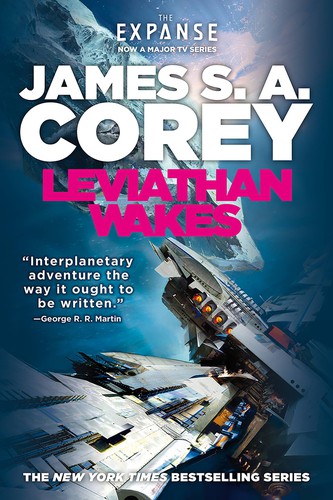
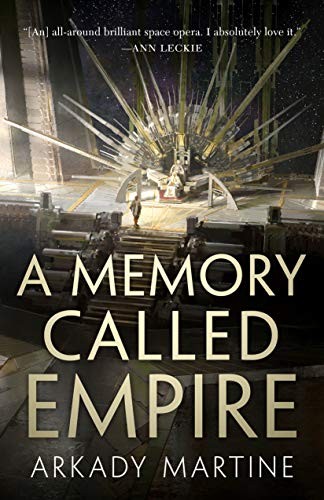
Q: What is the best book to read after Dune? A: Leviathan Wakes is the most immediately satisfying follow-up if you want to stay in science fiction with the same political architecture and thriller mechanics. A Memory Called Empire is the better choice if what you valued most was Dune’s treatment of empire and cultural absorption.
Q: Are the Dune sequels worth reading? A: Dune Messiah and Children of Dune are genuine extensions of the argument Herbert was making about messianism and its costs. God Emperor of Dune is the most philosophically ambitious and the most demanding. The later books in the series, Heretics and Chapterhouse, are less essential. The sequels written by Brian Herbert and Kevin J. Anderson are a different project.
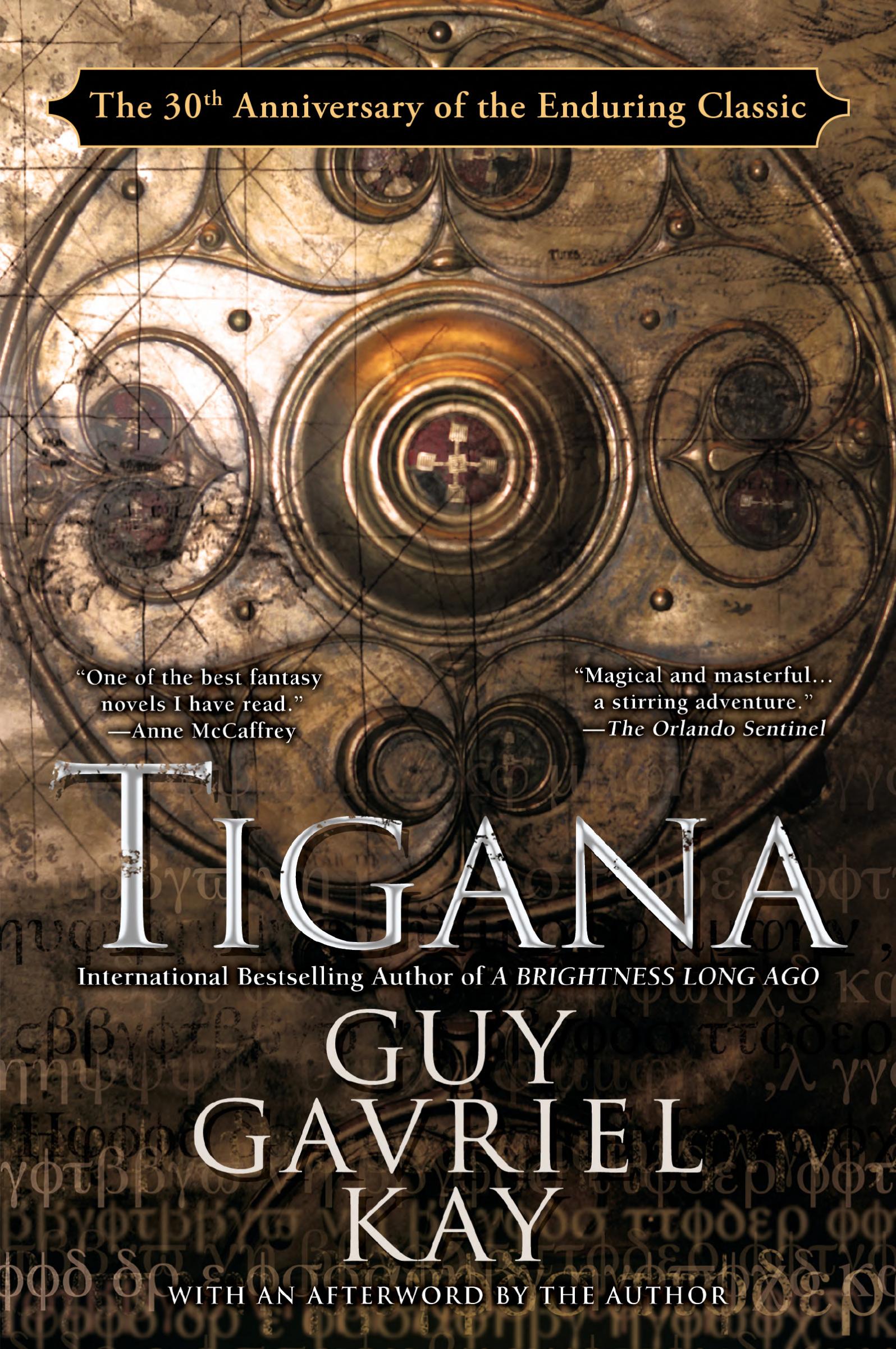
Q: Is there a fantasy book as complex as Dune? A: Tigana comes closest in terms of political moral complexity, with the added distinction that its world-building is delivered through consequence rather than exposition. The First Law trilogy by Joe Abercrombie starting with The Blade Itself is the most sophisticated genre deconstruction in fantasy and rewards readers who want the same cynicism about heroic archetypes.
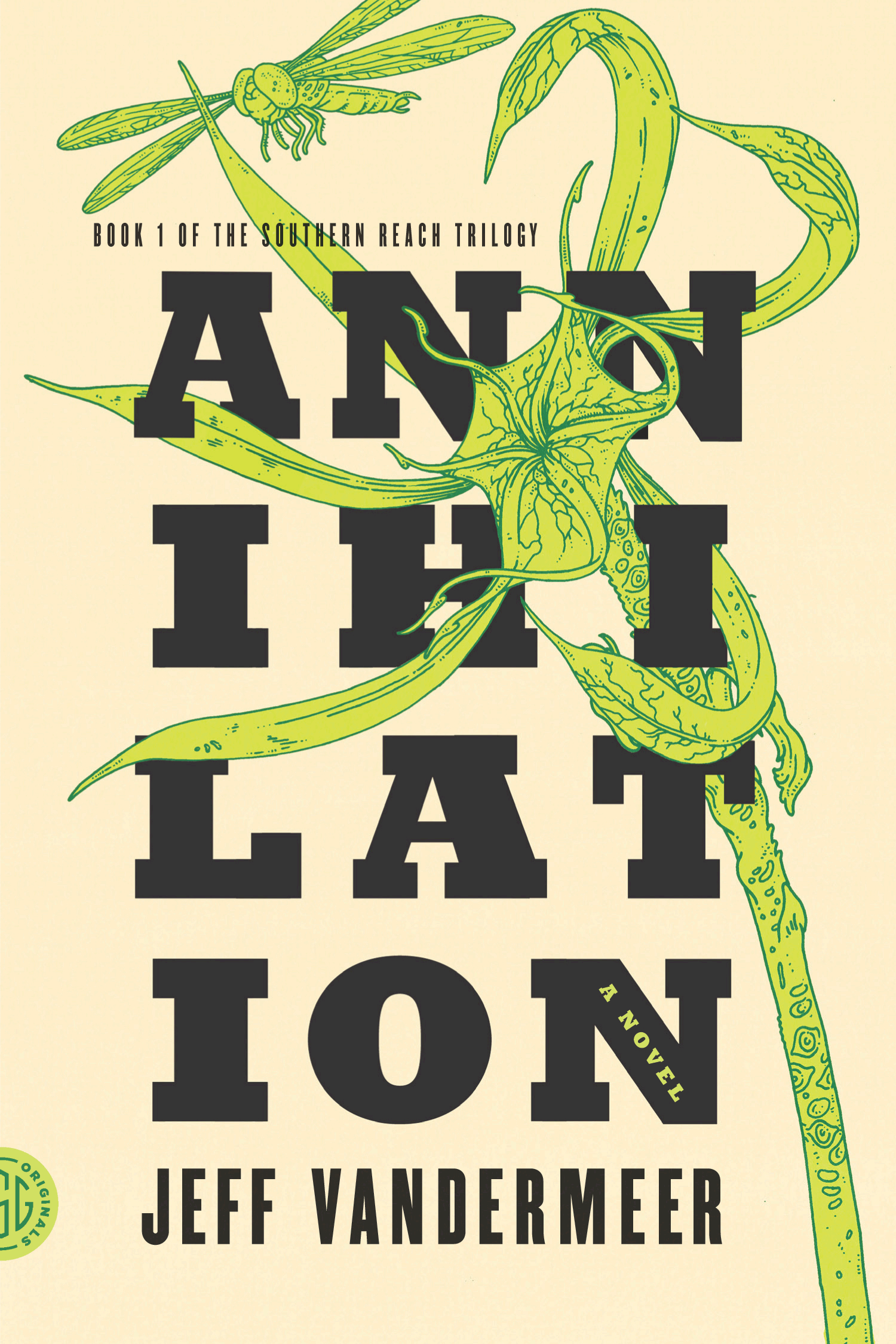
Q: What should I read if I loved the ecological world-building in Dune more than the plot? A: Annihilation is the strongest recommendation for that specific interest. VanderMeer builds Area X as an environment with its own inscrutable ecology, and the novel is as interested in what that environment does to human perception as Herbert was in what the desert does to the Fremen. It is shorter, stranger, and leaves more unanswered.
Not sure which of these is right for you specifically? The Pagesmith quiz matches you to books based on your mood, pacing preference, and reading goals, not bestseller lists. Takes two minutes.