Books Like East of Eden for Readers Who Want the Sweep
East of Eden uses the scale of California history to stage a sustained argument about whether human nature is predetermined or genuinely free. These books share that specific ambition: using large-scale narrative to make a moral argument rather than simply to tell a story.
May 2026 · 8 min read · The Pagesmith
East of Eden is one of those novels that recalibrates what readers expect from fiction. After it, smaller books can feel thin — not because they are less skillfully written, but because Steinbeck’s ambition is structural. He is not trying to tell an interesting story about a family in the Salinas Valley. He is using that family to stage an argument about the most fundamental question in moral philosophy: whether human beings are trapped by their nature or genuinely free to choose who they become. The Hebrew word timshel — “thou mayest” — is the novel’s thesis statement, its answer to the question of free will. The books here share that structural ambition. They are large, morally serious novels that use historical sweep to examine something about human nature that a smaller scope could not access. Several of them contain as much philosophy as narrative. All of them justify their length.
What Makes Epic Literary Fiction Different from Long Novels
Length is not the same as ambition, and a long novel is not automatically an epic one. What separates East of Eden from merely long novels is the relationship between scale and argument: the Trask and Hamilton families across multiple generations are not interesting for their own sake but because their story is the container for a sustained examination of free will, sin, and the possibility of redemption. The books here share that relationship. Victor Hugo does not spend pages on the Paris sewer system because he likes sewers; he does it because the sewer is an argument about what civilization conceals. Tolstoy does not include his philosophical chapters about historical determinism because he couldn’t find an editor; they are the thesis his characters’ lives are testing. Epic literary fiction earns its scale by needing it.
The best epic novels use their length the way East of Eden uses California history — not to contain more events but to give the moral argument room enough to breathe, complicate, and prove itself across time.
The Books
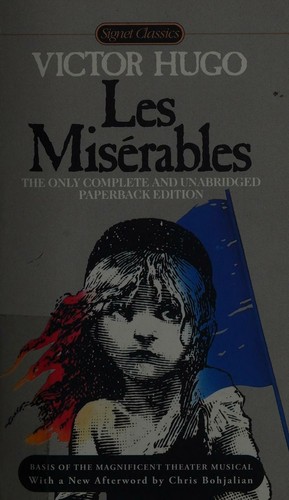
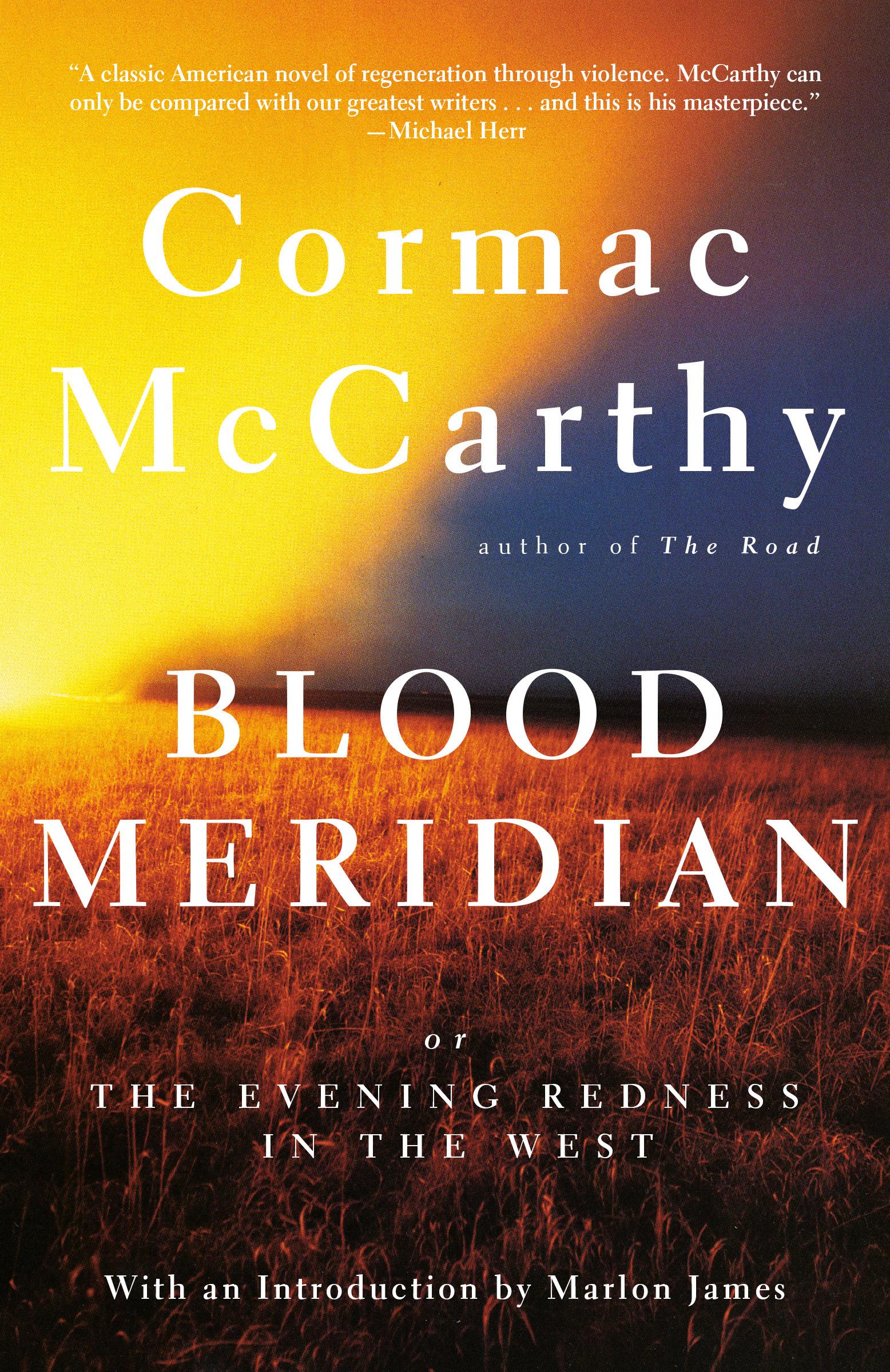
Les MiserablesVictor HugoThe closest structural equivalent to East of Eden in world literature: a novel that uses the panoramic scale of nineteenth-century Paris and the historical upheaval of post-Napoleonic France to stage an argument about justice, mercy, and the possibility of redemption that no smaller canvas could accommodate. Valjean’s decades-long pursuit by Javert is the thriller engine; the argument about whether a man can escape what he has done and what he has been is the novel’s actual subject. Hugo is less psychologically intimate than Steinbeck but equally serious about using his characters as vessels for moral examination. The unabridged version, including the passages about Waterloo and the Paris sewers, is the one to read. The Brothers KaramazovFyodor DostoevskyDostoevsky’s final novel is East of Eden’s closest philosophical companion — both are family novels organized around the question of whether human beings are determined by their nature or capable of genuine moral choice. The three Karamazov brothers embody three different answers to that question: Dmitri’s passionate instinct, Ivan’s intellectual rejection of God’s world, and Alyosha’s active faith. The Grand Inquisitor chapter is the most direct philosophical confrontation with free will in the novel tradition. Where Steinbeck’s timshel argues for the possibility of choice with American optimism, Dostoevsky’s argument is harder-won and less settled — which makes it the more searching version of the same question. War and PeaceLeo TolstoyTolstoy’s argument and Steinbeck’s are almost mirror images of each other: where Steinbeck argues for timshel — the freedom to choose — Tolstoy’s philosophical chapters argue for historical determinism, the irrelevance of individual will against the accumulated force of millions of ordinary people. The paradox is that the novel’s characters, especially Pierre and Natasha and Andrei, feel more fully free and more fully themselves than the characters in almost any other novel, which makes Tolstoy’s philosophical argument against free will the strangest possible container for the most fully alive ensemble in world literature. East of Eden readers who want the same epic scale applied to the opposite moral conclusion will find War and Peace the most productive argument partner. Blood MeridianCormac McCarthyThe necessary dark counterpoint. McCarthy’s answer to Steinbeck’s timshel is Judge Holden, who argues not for the possibility of free moral choice but for violence as the organizing principle of human history — the thing that is true about humanity when all the optimistic frameworks are stripped away. Both novels are set in the American West across historical time; both use the landscape as moral argument. East of Eden argues that people can choose to be good; Blood Meridian argues that the Judge has always been here, that he is never tired, and that he will never die. Reading them together produces a picture of American moral possibility that neither provides alone, and reading Blood Meridian after East of Eden makes the scale of Steinbeck’s optimism visible as the specific historical and temperamental position it is. The Grapes of WrathJohn SteinbeckSteinbeck’s other great California novel makes the same argument about human dignity and moral possibility from the opposite social direction: not a landowning family across generations but a dispossessed family in a single desperate season. The Joads have none of the Trasks’ property or historical continuity, and the moral question Steinbeck asks of them is stripped of every comfort — can dignity survive conditions designed to destroy it? Ma Joad’s answer, sustained through the novel’s entire length, is the most direct statement of the Steinbeck moral position. Reading The Grapes of Wrath alongside East of Eden shows how the same author asks the same question of people at opposite ends of American material fortune. A Prayer for Owen MeanyJohn IrvingIrving’s answer to timshel is the most theologically precise on this list: Owen Meany knows his destiny and moves toward it with absolute certainty, and the novel’s argument is about what it means to be chosen for something you did not ask for. Where Steinbeck’s novel is about the freedom to choose good, Irving’s is about the freedom to accept what has been chosen for you — and whether that acceptance is surrender or the deepest form of courage. The New Hampshire setting is as specifically rendered as Steinbeck’s Salinas Valley, and the multigenerational friendship between John and Owen has the same emotional investment as the Trask family saga. The most American novel on this list after East of Eden itself. Who This Is For
Readers who finished East of Eden understanding why it is considered one of the great American novels, and who want books that meet its moral ambition and its scale simultaneously. Not readers who primarily want plot — several of these novels are explicitly philosophical and require patience with discursive passages. Readers who want the experience of a very long novel that earns every page. The literary fiction and historical fiction catalogues have more in this territory.
Frequently Asked Questions
Q: What is East of Eden about, briefly?
A: Two families — the Trasks and the Hamiltons — in California’s Salinas Valley over several decades, structured around the Cain and Abel story from Genesis. The novel’s central argument is about the Hebrew word timshel, which Steinbeck interprets as “thou mayest” — the claim that human beings are genuinely free to choose good, regardless of their nature or history. It is simultaneously a family saga, a philosophical novel, and Steinbeck’s most personal work.
Q: How long is East of Eden and how do the books on this list compare?
A: East of Eden is approximately 600 pages. Les Miserables and War and Peace are considerably longer (1,200-1,400 pages). The Brothers Karamazov is around 800 pages. Blood Meridian is shorter at 350 pages. A Prayer for Owen Meany is around 550 pages. The Grapes of Wrath is around 500 pages.
Q: Is Blood Meridian really appropriate to recommend alongside East of Eden?
A: Yes, specifically because it makes the opposing argument in the same landscape and the same historical period. East of Eden’s timshel is a claim about human freedom and the possibility of goodness. Blood Meridian’s Judge Holden is the most articulate counter-argument in American fiction. Both books are more legible in light of the other.
Q: What should I read after East of Eden if I want more Steinbeck?
A: The Grapes of Wrath is the natural next step — same California landscape, same moral seriousness, different social angle. Of Mice and Men is much shorter but delivers the same quality of character investment in compressed form. Cannery Row is lighter and warmer, the Steinbeck for readers who want affection without the weight.
Not sure which of these is right for you specifically? The Pagesmith quiz matches you to books based on your mood, pacing preference, and reading goals, not bestseller lists. Takes two minutes.