Books like Hamnet get recommended in one of two directions: more sweeping Elizabethan historical fiction, or more quiet literary novels about grief. Both directions miss the specific combination that makes Maggie O’Farrell’s novel extraordinary. Hamnet is not primarily interested in William Shakespeare or the Elizabethan world — it is interested in Agnes, his wife, and in what it does to a mother to lose a child. The historical setting is the container, not the subject. O’Farrell renders the period with specificity — the apothecary’s shelves, the smell of the streets, the specific quality of grief in a world where child mortality was ordinary and therefore expected to be managed without prolonged expression — but every detail is in service of the intimate psychological subject rather than the period itself. The books here share that inversion: they use historical settings to access psychological or emotional territory that is made more available, not less, by the distance of time.
Why Intimate Historical Fiction Works Differently from the Epic Kind
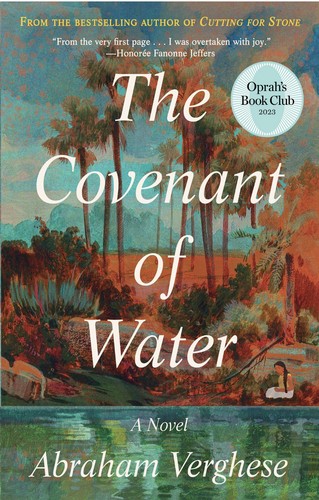
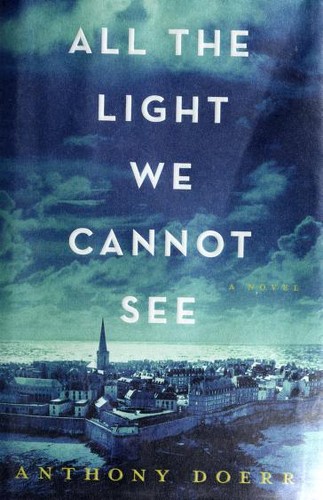
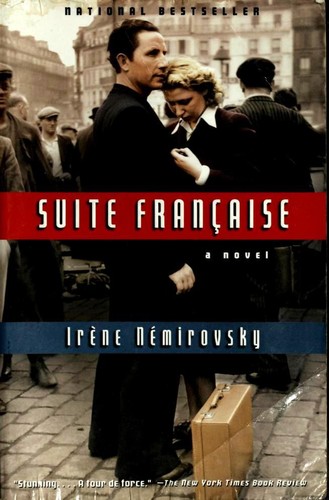
Most historical fiction justifies its period setting through events: the war, the political upheaval, the social transformation. Hamnet’s period setting is justified by atmosphere: the specific social and emotional conditions of Elizabethan England that determine how Agnes can and cannot grieve, what she is permitted to feel, and how the marriage to a man who will become famous operates on a woman whose name will barely be recorded. That difference — between historical fiction organized around events and historical fiction organized around the conditions of inner life — is the distinction that produces the books on this list. They are all intimate, all more interested in what the past felt like from the inside than in what it produced from the outside, and all written in prose that stays closer to the consciousness of ordinary people than to the sweep of history.
The best intimate historical fiction uses the distance of the past not to make its subject smaller but to make it visible in ways that contemporary settings, with all their familiarity, cannot achieve.
The Books

Who This Is For
Readers who finished Hamnet understanding that O’Farrell was not interested in Shakespeare but in Agnes, and who want historical fiction that maintains that same inward focus — books organized around what the past felt like from inside a specific consciousness rather than what it produced in the large historical record. Literary fiction readers who avoid historical fiction because of its tendency toward epic sweep will find all these books hold close to the interior. The historical fiction and literary fiction catalogues have more in this direction.
Frequently asked questions
Q: Do I need to know about Shakespeare to enjoy Hamnet? A: No. The novel is organized around Agnes’s experience and Shakespeare appears as a peripheral figure for much of it. O’Farrell is quite deliberate about not naming him — he appears only as “the husband,” which is the formal enactment of the novel’s central argument about whose story this is. Knowledge of the plays enriches certain moments but is not necessary.
Q: What makes Hamnet different from other historical novels about Shakespeare’s family? A: Almost all fiction about Shakespeare centers Shakespeare. O’Farrell centers Agnes, which requires a completely different kind of research and a completely different formal position. The novel stays inside Agnes’s consciousness rather than observing her from outside, which means the period detail is filtered through her perception rather than provided as background information. That inside-out structure is rare in historical fiction.
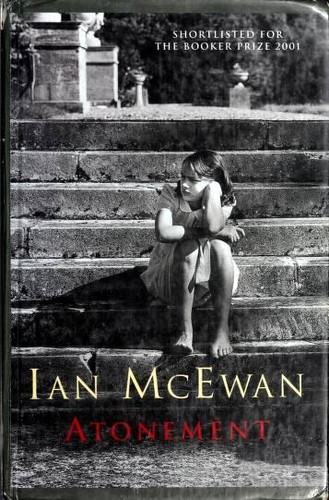
Q: Is Atonement historical fiction? A: Partly. The novel spans multiple decades, and sections set during the evacuation from Dunkirk and in a wartime hospital are historically grounded in ways that the 1930s country house sections are not. It is better described as literary fiction with a historical dimension than as historical fiction proper. For Hamnet readers who primarily want the prose quality and the intimate psychological register, Atonement delivers both regardless of its genre classification.
Q: What should I read after Hamnet if I want more Maggie O’Farrell? A: I Am, I Am, I Am is O’Farrell’s memoir about the seventeen occasions she has nearly died, and it shares Hamnet’s quality of close interior rendering applied to extreme experience. The Hand That First Held Mine and This Must Be the Place are her strongest earlier novels. Instructions for a Heatwave has a family gathering structure that some Hamnet readers find similarly intimate.
Not sure which of these is right for you specifically? The Pagesmith quiz matches you to books based on your mood, pacing preference, and reading goals, not bestseller lists. Takes two minutes.