Books Like Malibu Rising for Fans of Big Beach Reads
Malibu Rising's appeal is structural: a single dramatic event that contains a whole family's history, told with thriller momentum and genuine emotional depth. These books deliver that same combination of propulsive plot and real character investment.
May 2026 · 7 min read · The Pagesmith
The beach read has a reputation problem. The term implies entertainment without substance, which undersells what the best propulsive fiction with gorgeous settings actually does: it earns its momentum through genuine character investment, which means the dramatic revelations land with emotional weight rather than just surprise. Malibu Rising works because Taylor Jenkins Reid does not ask readers to choose between pace and depth. The 1983 Malibu party is the container, and the decades of Riva family history that the novel flashes through are the substance, and neither element is sacrificed for the other. The books here share that structural confidence: they move fast because the stakes are real, and the settings are beautiful because the authors understand that place shapes character as surely as family history does.
What Makes a Great Propulsive Family Drama
The failure mode for this kind of fiction is drama without consequence — the revelation that resets the board without changing anyone. The books here produce forward momentum through genuine character investment: the reader cares about the outcome because the people feel real, not because the plot is elaborate. Malibu Rising’s four siblings are distinct enough that the party’s revelations mean something different for each of them, and the structure — a single event that exposes a whole family’s accumulated history — is what allows depth without sacrificing pace. The books here all use some version of that structural intelligence.
The best propulsive family fiction earns its momentum by making the reader genuinely invested in the people — so that the plot revelations feel like consequences rather than mechanics, and the setting feels like character rather than backdrop.
The Books
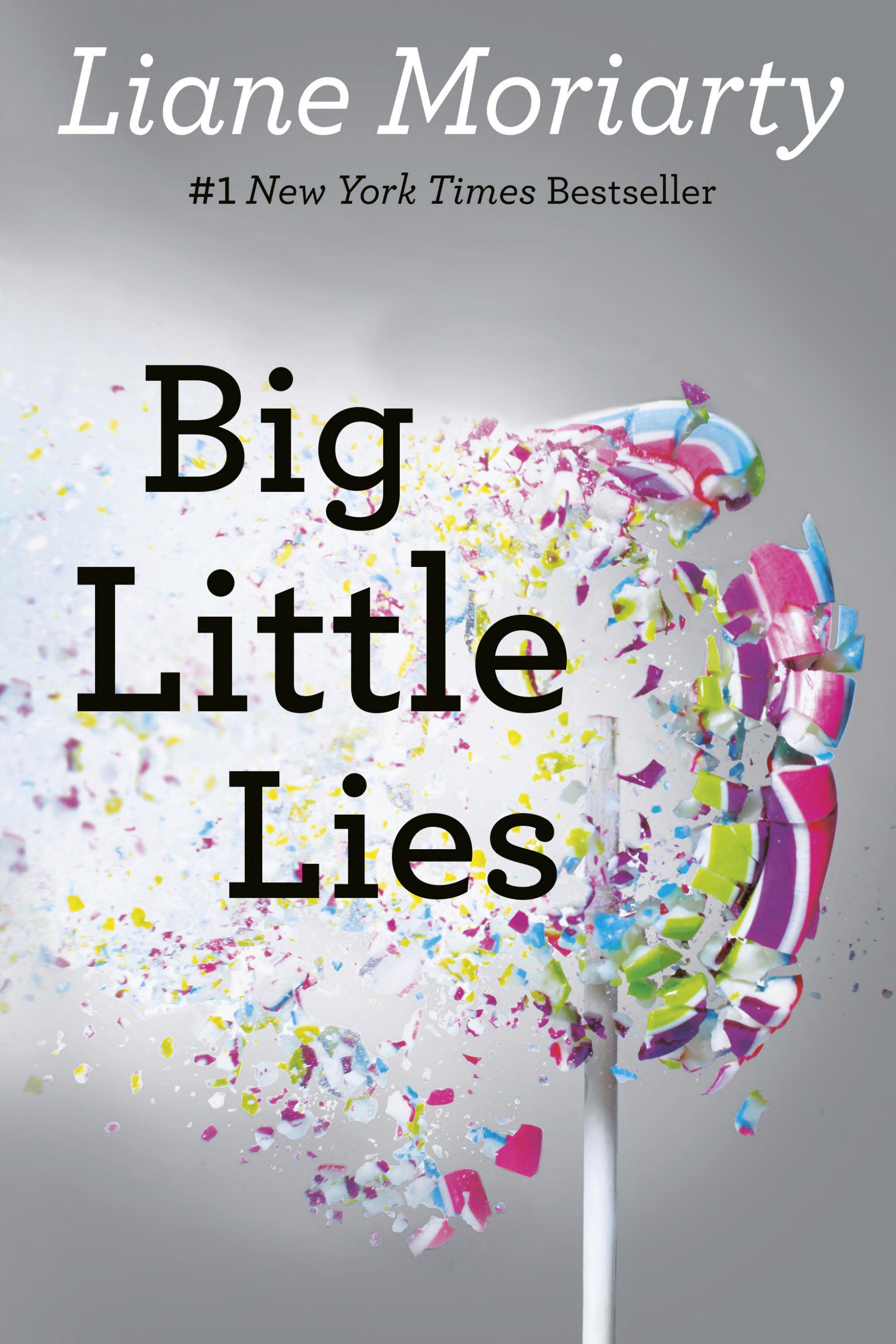
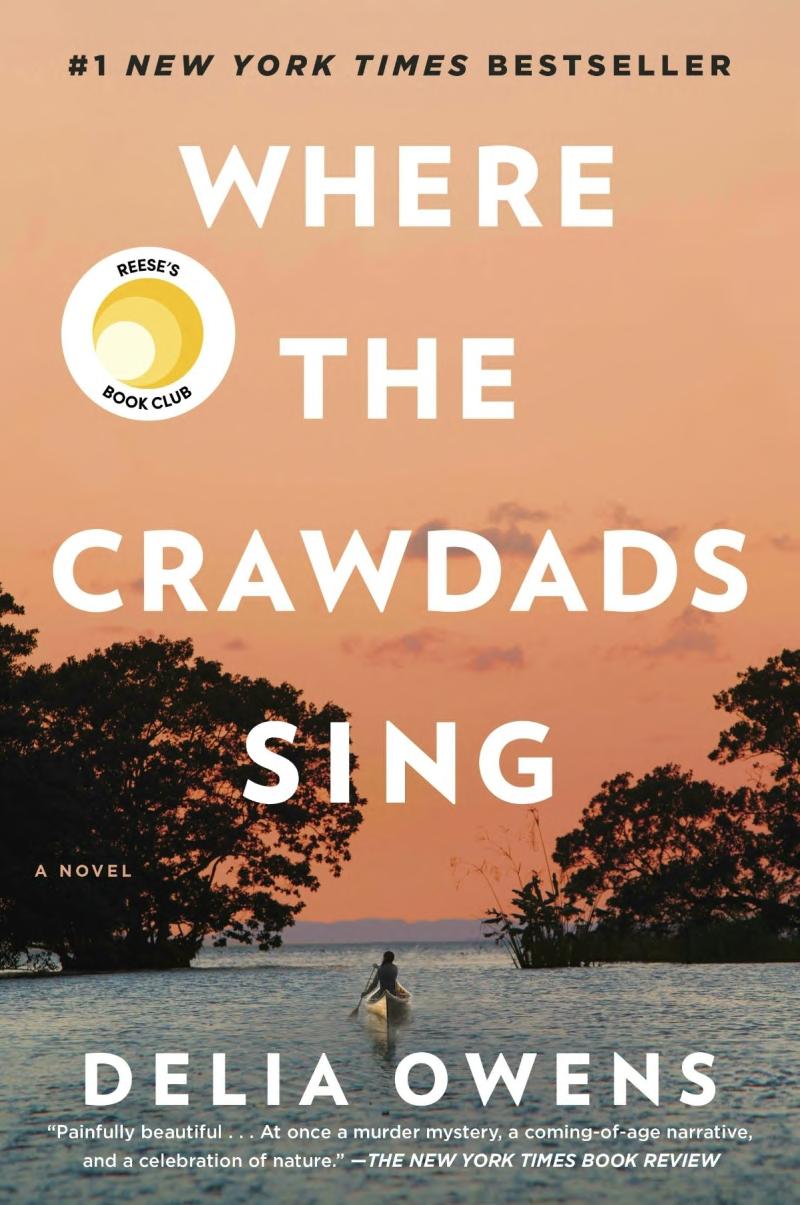
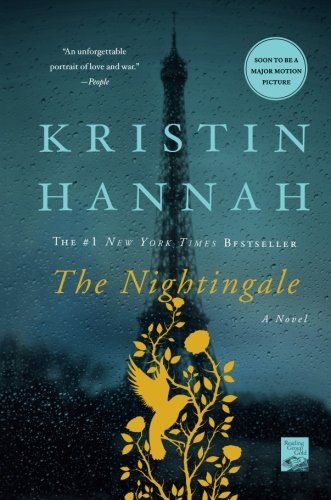
Big Little LiesLiane MoriartyThe Australian coastal setting, the female ensemble, the single dramatic event (a school fundraiser trivia night that ends in death), and the structure that reveals the full picture gradually through multiple perspectives — Big Little Lies is doing almost exactly what Malibu Rising does, with more sustained social comedy and a sharper edge. Moriarty understands that domestic violence is the ugly thing underneath beautiful surfaces, and she uses the trivia night the same way Reid uses the party: as the container that makes a whole social world visible all at once. The ensemble dynamics are better here than in most comparable fiction, and the humor is the darkest on this list. The Great AloneKristin HannahHannah replaces Malibu’s sun-drenched celebrity world with 1970s Alaska and produces a novel of comparable propulsive intensity, except the threat comes from the landscape and from inside the family rather than from the social world outside it. Leni Allbright’s family moves to a homestead in remote Alaska that her damaged Vietnam veteran father believes will save them all, and the wilderness is rendered with the same specificity that Reid brings to the California coast — not backdrop but character, shaping what the people inside it can do and who they become. The emotional stakes are as high as anything in Malibu Rising and the forward momentum is matched. Where the Crawdads SingDelia OwensThe North Carolina marshlands are as much a character as any of the human ones, which is what allows Owens to sustain the atmospheric intensity across a novel that could otherwise feel like two separate books — a coming-of-age story and a murder mystery — stitched together. Kya Clark’s solitary life in the marsh gives the novel its setting-as-character quality that Malibu Rising achieves through the California coast. Both books are about children who were failed by their families and who built selves capable of surviving despite that failure. The mystery mechanics are functional; the marsh is what readers remember. The NightingaleKristin HannahHannah’s most acclaimed novel replaces the contemporary setting with German-occupied France during World War II and replaces the beach house with the Loire Valley, and the result is the most emotionally devastating book on this list. Two sisters — one who chooses collaboration to protect her daughter, one who joins the French Resistance — make incompatible choices under impossible conditions, and Hannah renders both choices with enough empathy that neither woman is simply right. The setting is as precisely rendered as any on this list — the specific beauty of occupied France, the specific horror of what that beauty conceals — and the forward drive is sustained by the same genuine character investment that makes Malibu Rising compulsive. BeartownFredrik BackmanBackman replaces the beach setting with a small Swedish hockey town in winter and produces a novel about what happens to a community when a single terrible event forces everyone to choose sides. The ensemble is large and precisely differentiated — every character in Beartown has a specific relationship to the town’s hockey culture that determines how they respond to the crisis — and Backman manages the multiple perspectives with the same structural confidence that Reid brings to the Riva siblings. The setting is as atmospheric as any on this list, and the forward drive is produced by the same engine: the reader knows something terrible is coming and cannot stop turning pages to find out what everyone will do about it. The Alice NetworkKate QuinnQuinn’s dual-timeline structure — a 1947 American girl searching for her missing cousin, and a World War I female spy network — is the most plotted book on this list, but the plotting is in service of two genuinely compelling female protagonists whose stories the reader cares about independently of the thriller mechanics. The European settings are rendered with historical specificity and visual clarity that produces the same kind of atmospheric immersion as Malibu’s 1983 California. For readers who want the Malibu Rising combination of propulsive plot and genuine emotional investment in female characters, applied to historical rather than contemporary material. Who This Is For
Readers who finished Malibu Rising in two sittings and want more books that justify their page count with genuine character depth — who are tired of fast reads that leave nothing behind and slow reads that lose the thread. Also readers who associate beach reads with guilty pleasure and who want to understand why the best propulsive fiction with gorgeous settings is not a lesser category than literary fiction. The contemporary and historical fiction catalogues have more in this direction.
Frequently Asked Questions
Q: What is the best Taylor Jenkins Reid novel to read after Malibu Rising?
A: The Seven Husbands of Evelyn Hugo is the most widely loved and the one that best demonstrates Reid’s structural confidence — the frame story, the gradually revealed history, the final revelation that recontextualizes everything preceding it. Daisy Jones and the Six is the most formally inventive, using an oral history format to tell a story about a band’s creative and romantic collapse.
Q: Are the books on this list appropriate for summer reading?
A: All of them, though with different caveats. Big Little Lies and Where the Crawdads Sing are the most immediately accessible. The Nightingale is emotionally heavy but compulsive. Beartown is darker than it initially appears. The Great Alone requires the most commitment. All reward the investment.
Q: What makes Malibu Rising different from a typical beach read?
A: Reid uses the party structure to do something most beach reads do not attempt: make the single dramatic event the container for a whole family’s accumulated history, so that the revelations feel like consequences rather than twists. The character differentiation among the four Riva siblings is also more precise than most comparable fiction, which means the reader’s investment is in specific people rather than generic dramatic situations.
Q: What should I read if I loved the celebrity-family-drama aspect of Malibu Rising specifically?
A: The Seven Husbands of Evelyn Hugo is the most direct answer — Hollywood glamour, a famous life revealed through a journalist’s interviews, secrets that reframe everything. Daisy Jones and the Six delivers the music industry version of the same premise.
Not sure which of these is right for you specifically? The Pagesmith quiz matches you to books based on your mood, pacing preference, and reading goals, not bestseller lists. Takes two minutes.