Books like Normal People are harder to find than they should be because most recommendations miss what the novel is actually doing. It is not a love story in the conventional sense. It is a study in the specific failure of two intelligent people to say the one thing that would change everything, told with a prose restraint that makes every unspoken sentence feel louder than the dialogue around it. Finding books with that quality means looking past the romance label and finding the same structural commitment to interiority, class anxiety, and love that operates mostly through omission.
Books with the same charged silence between characters
The central tension in Normal People is not will-they-won’t-they. It is that they clearly will, and clearly do, and still cannot manage to say what they mean. These books have the same dynamic — relationships where the most important communication happens in the gap between what is said and what is meant.
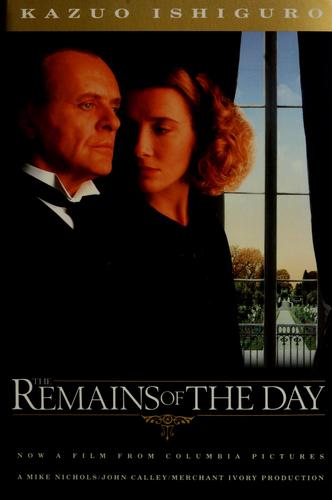
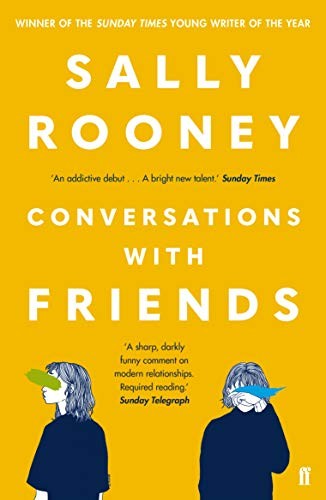
Normal People is not about whether two people end up together. It is about why two intelligent people who clearly should cannot manage to say the one thing that would change everything.
Books with the same class and power dynamic
One of the things Normal People does that most romance novels don’t is treat class as a live wire running through every scene. Connell is popular and working class; Marianne is isolated and wealthy; and the novel understands precisely how that asymmetry shifts depending on the context. These books share that intelligence about power in relationships.


Books with the same precise, spare prose style
Normal People’s prose is deceptively simple — short sentences, present tense, close third person. The style is the argument: this is how consciousness actually works, not how novels usually render it. These books operate at the same level of sentence-level discipline.

Who this is for
This list is for readers who responded to Normal People’s emotional precision and want more fiction that treats interiority as the primary dramatic territory — not readers looking for another Irish literary novel or another campus romance. If what you loved was the specific feeling of a relationship almost articulating itself and then not quite, start with Conversations with Friends or The Remains of the Day. Browse the full contemporary fiction catalogue for more.
Frequently asked questions
Q: What should I read after Normal People? A: Conversations with Friends by Sally Rooney is the most direct next step — same author, same Dublin setting, same class of emotional precision. The Remains of the Day by Kazuo Ishiguro is the recommendation for readers who want the same quality of devastating withholding in a very different register.
Q: Are there books similar to Normal People but more plot-driven? A: Daisy Jones & The Six by Taylor Jenkins Reid has the same central dynamic (two people who cannot say what they mean) with considerably more narrative momentum. Prep by Curtis Sittenfeld is more plot-driven than Rooney while sharing the same intelligence about class and social anxiety.
Q: What makes Normal People different from other romance novels? A: Normal People is not primarily a romance — it is a character study that uses a romantic relationship as its method. Rooney is interested in class, power, and the gap between what people understand and what they can say. The relationship resolves in a way that most romance novels would not allow, because resolution is not the point.
Q: Is Conversations with Friends similar to Normal People? A: Very similar in style and setting, but the emotional register is colder and the central relationship more morally complicated. Most readers who love Normal People also love Conversations with Friends, though it is a less immediately accessible starting point.
Not sure which of these is right for you specifically? The Pagesmith quiz matches you to books based on your mood, pacing preference, and reading goals — not bestseller lists. Takes two minutes.