Books Like Pachinko That Cross Generations and Borders
Pachinko's subject is not Korea or Japan specifically but what it means to belong nowhere -- to carry an identity that the place you live refuses to recognize. These books share that structural interest: characters who are permanently between worlds, building lives in the space that creates.
June 2026 · 8 min read · The Pagesmith
Pachinko is being described as a Korean-Japanese family saga, but its subject is more universal and more precise than that description suggests. Min Jin Lee is interested in what happens to people who are permanently outside the category of belonging — not immigrants who will eventually assimilate, not exiles who will eventually return, but people for whom no territory has ever fully claimed them and no identity category fully fits. The Zainichi Korean community in Japan is the specific historical situation Lee uses to render this condition, but the condition itself — the person who exists in the gap between what they are and what the surrounding world will acknowledge them to be — is not specific to that community. The books here are organized around the same structural situation: characters whose lives are shaped by the refusal of some surrounding world to recognize their full humanity, and who build lives and families and meaning in the space that refusal creates.
What Fiction About Belonging Does That History Cannot
The historian of the Zainichi Korean community can document discrimination, policy, and demographic data. What fiction can do that history cannot is render what that discrimination feels like from the inside across multiple generations: how the grandmother’s survival strategies become the mother’s identity and the son’s inheritance, and how each generation carries what the previous one could not put down while trying to build something that belongs to themselves. Lee’s formal achievement in Pachinko is making four generations of one family into a complete argument about what systemic exclusion does to the people it targets across time — and doing it through the texture of individual lives rather than through sociology.
The best multigenerational fiction about belonging is not about whether the characters eventually belong. It is about what they build and who they become in the long space of being denied what they were owed — and what that making costs and produces across the generations that follow.
The Books
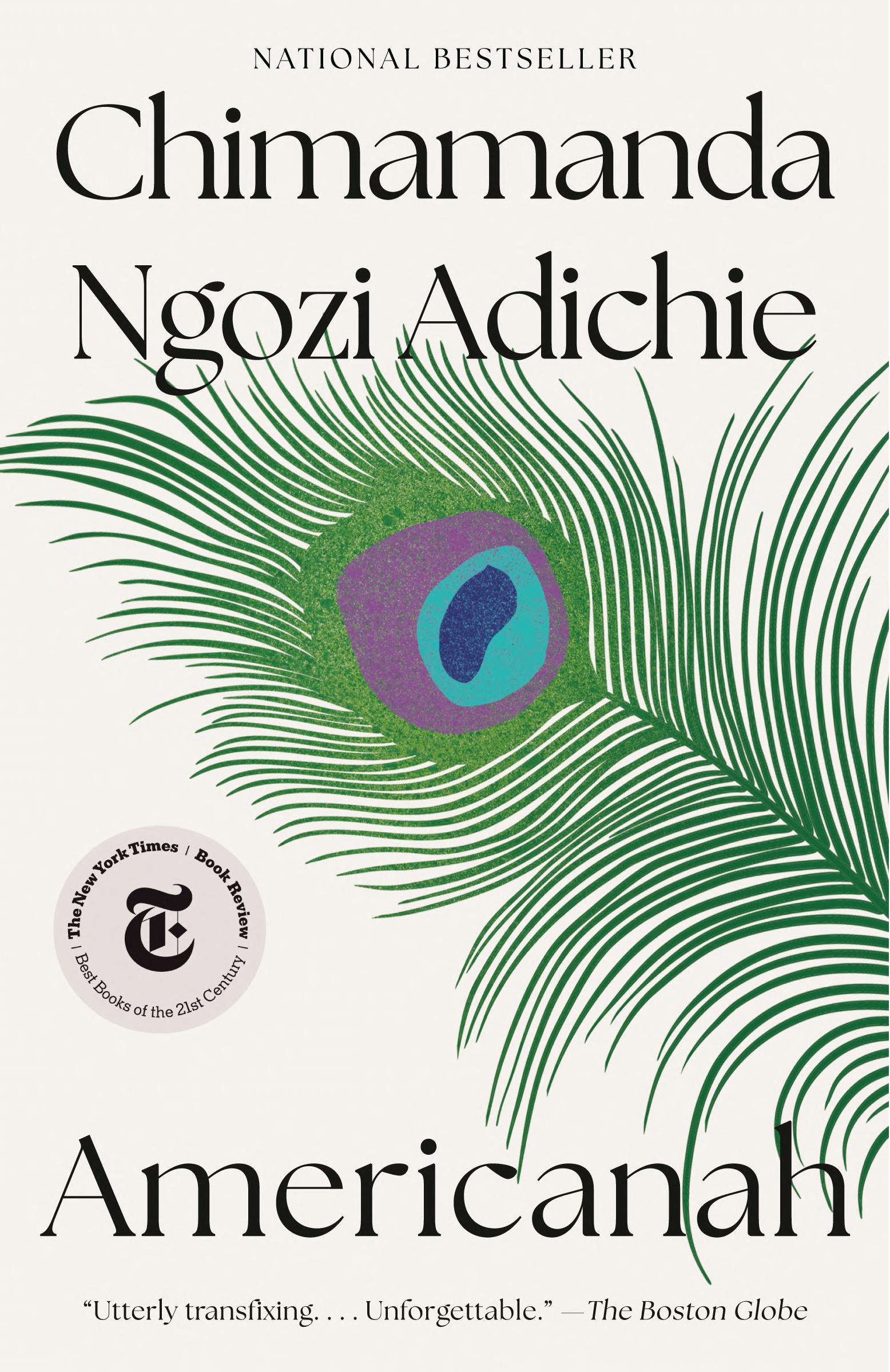
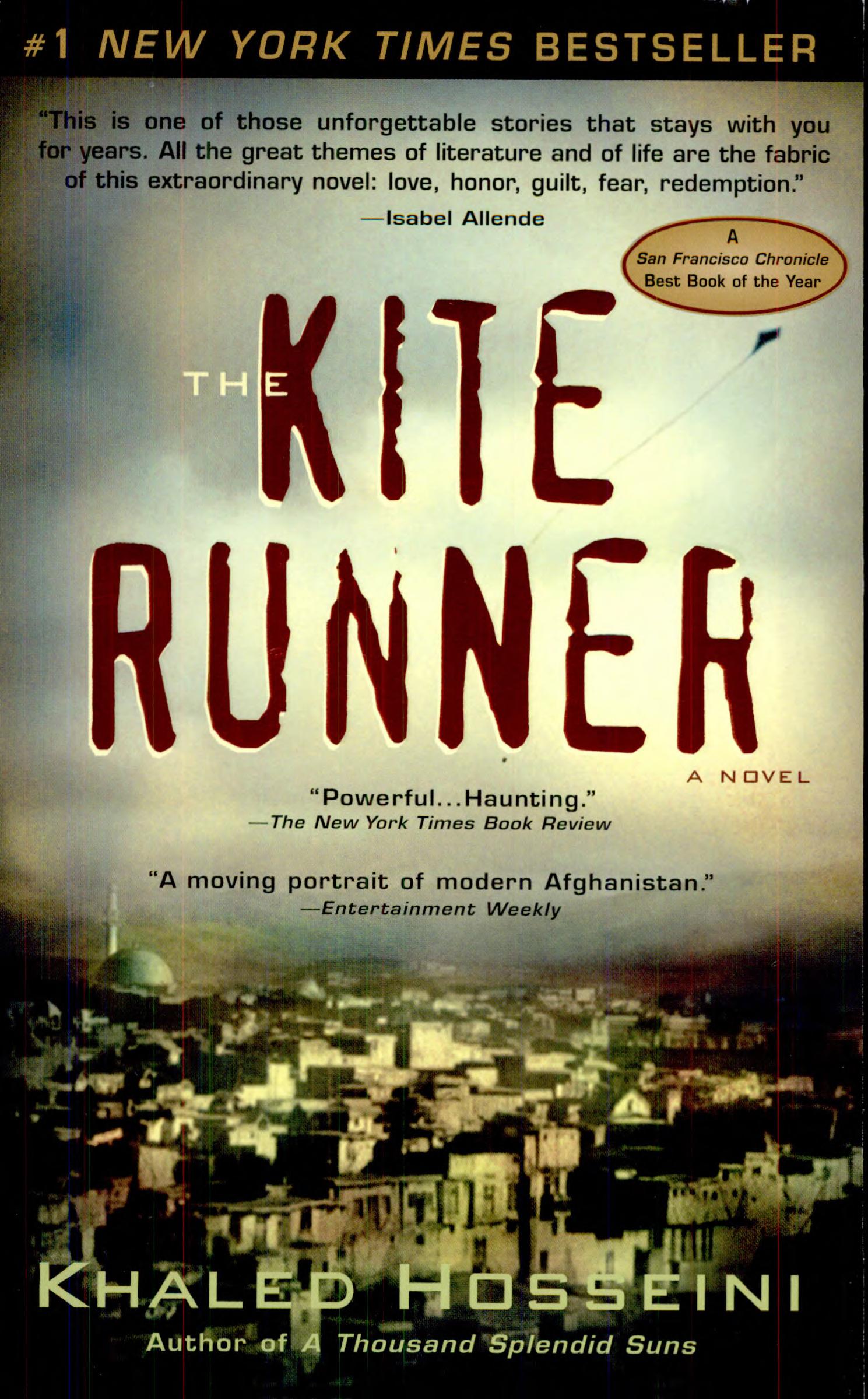
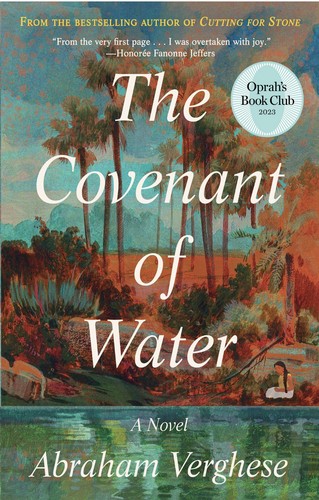
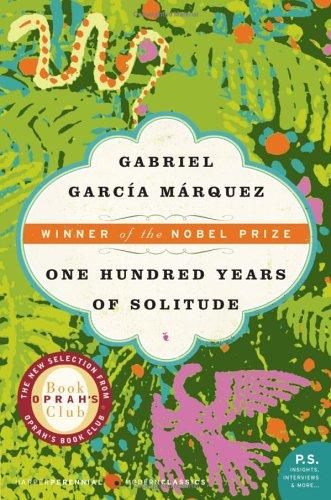
HomegoingYaa GyasiThe most structurally comparable novel to Pachinko on this list: eight generations across two lines of the same family, each chapter a portrait of a different person at a different historical moment, the accumulated argument visible only when the whole is assembled. Where Lee traces one Korean family’s exclusion from Japanese national belonging across four generations, Gyasi traces the divergence of two lines — one sold into slavery, one remaining in Ghana — across eight, and the argument each novel makes about what systemic exclusion does across time is essentially the same argument made through different historical specifics. The most formally ambitious book on this list and the one that produces the most complete version of the same emotional experience as Pachinko. AmericanahChimamanda Ngozi AdichieAdichie’s novel shares Pachinko’s structural interest in identity as it is assigned by the surrounding world rather than chosen or inherited. Ifemelu arrives in America and becomes Black — not in Nigeria, where race functioned differently, but in America, where her skin color immediately places her in a category she did not know existed before she landed. The novel is organized around the gap between who Ifemelu knows herself to be and what America’s categories allow her to be, which is the same gap that shapes every generation of Lee’s Korean family in Japan. Adichie handles the comedy and the frustration of this experience with more lightness than Lee, and the novel is more invested in the romantic arc, but the structural argument about identity-as-imposed-category is the same. The Joy Luck ClubAmy TanTan’s novel is the most intimate version of the generational-transmission argument on this list: four mothers and four daughters, the mothers shaped by China and the daughters by America, each pair unable to fully communicate across the gap that the immigration and the generation create. The Joy Luck Club is less concerned than Pachinko with systemic exclusion from national belonging and more concerned with the specific failure of transmission — how what a mother learned in one world becomes incomprehensible or burdensome to a daughter raised in a different one. But the underlying argument is closely related: both novels are about people carrying something across a world that does not recognize its value, and trying to give it to the next generation before they lose the capacity to give anything at all. The Kite RunnerKhaled HosseiniHosseini’s novel shares Pachinko’s interest in the Hazara-Pashtun dynamic in Afghanistan — an ethnic hierarchy that functions as a caste system, determining life chances from birth — and in what happens to people from a marginalized group when the country they live in is destroyed. The generations in The Kite Runner span a smaller time range than Pachinko’s but cover more geographic territory: Afghanistan, Pakistan, America, and back again, with each move representing another version of the not-belonging that Lee renders as a permanent condition. Hosseini is more organized around individual guilt and redemption than Lee, but the surrounding social architecture — who belongs, who is denied belonging, and what that denial costs — is rendered with comparable specificity. The Covenant of WaterAbraham VergheseVerghese’s Kerala family saga covers similar temporal territory to Pachinko — three generations across the twentieth century, a family carrying something mysterious — and shares its investment in a specific community rendered from the inside with the precision of someone who understands it as home rather than subject. The Covenant of Water is less organized around exclusion from belonging than around the forms of belonging that survive colonial and postcolonial transformation, but both novels are about what families carry across the historical disruptions that change the world around them while they are living in it. The most tonally warm book on this list and the one most invested in the continuity of love across generations rather than the interruption of it. One Hundred Years of SolitudeGabriel Garcia MarquezGarcia Marquez’s Buendia family saga is the most formally different book on this list from Pachinko — the magical realism, the mythic register, the seven generations of a founding family in a invented town — but shares its fundamental structure: a family that carries something compulsively across generations without being able to put it down, and that pays the accumulated cost of that carrying in the novel’s final movement. Macondo’s isolation from the outside world is the inverse of Pachinko’s Korean family’s exclusion by the surrounding world: where Lee’s characters are refused belonging in Japan, the Buendias have created a world in which belonging is total and therefore solipsistic. Both novels are organized around the question of what a family can and cannot pass down to the generation that follows them. Who This Is For
Readers who finished Pachinko specifically responding to the way Lee used four generations of one family to render an argument about systemic exclusion and what it does to people across time — who want more literary fiction organized around the same combination of historical scale and intimate character. Also readers interested in the broader tradition of multigenerational fiction from non-Western or hyphenated perspectives, which is one of the most vital literary traditions of the past thirty years.
Frequently asked questions
Q: What is Pachinko about?
A: Four generations of a Korean family in Japan, beginning with a teenage girl’s pregnancy in 1910s colonial Korea and ending with her grandson in 1980s Osaka. The Zainichi Korean community — Koreans who moved to Japan under colonialism and their descendants, who are still not recognized as Japanese citizens despite being born there — is the historical context. Lee’s subject is what that permanent exclusion does to a family across a century.
Q: How long is Pachinko and how long does it take to read?
A: Around 500 pages. The pacing is novelistic rather than epic despite the multigenerational scope — Lee moves quickly through time in the way that chapter-per-generation structure requires — and most readers find it considerably faster than its length suggests. A week of dedicated reading or two weeks of evenings.
Q: What makes the Zainichi Korean situation in Japan historically unusual?
A: Koreans came to Japan primarily as colonial subjects — many were brought as laborers under Japan’s occupation of Korea — and their descendants, despite being born and raised in Japan and speaking Japanese as their first language, are classified as foreign nationals for most legal purposes. The situation has improved somewhat since the 1980s but remains distinctive: a community defined by its exclusion from a country it has inhabited for generations. Lee researched the subject extensively and the historical detail is accurate.
Q: What should I read after Pachinko if I want more Min Jin Lee?
A: Free Food for Millionaires is Lee’s debut novel, set in New York’s Korean-American community. It is longer and less concentrated than Pachinko but shares its interest in how Korean identity navigates American social architecture. Most readers find it rewarding but consider Pachinko the more complete achievement.
Not sure which of these is right for you specifically? The Pagesmith quiz matches you to books based on your mood, pacing preference, and reading goals, not bestseller lists. Takes two minutes.