6 Books Like Piranesi for Fans of the Strange and Precise
Piranesi works because it asks you to accept a world's rules before you understand them, and because its strangeness is rendered with total conviction. These books share that structural method.
May 2026 · 7 min read · The Pagesmith
Books described as being like Piranesi usually mean books that are atmospheric and strange. That is not quite the right description. Susanna Clarke’s novel is atmospheric and strange, but so are many books that would satisfy almost no one who loved Piranesi. What distinguishes it is the combination of strangeness with absolute internal consistency. The House has rules, and those rules do not bend for the reader’s comfort. Piranesi’s ignorance of his own situation is not a clever plot device but the only way the novel could be narrated honestly from inside its logic. The books here share some version of that commitment: impossible or uncanny worlds that operate by their own principles, rendered with enough conviction that the reader eventually stops looking for the gap between the world on the page and the world outside it. Several of them contain no fantasy elements by any conventional definition.
What Makes the Piranesi Reading Experience Distinctive
The trap with Piranesi recommendations is to reach for other quiet fantasies, other novellas, other unreliable narrators. Those surface features are not what produces the experience. Piranesi works because Clarke takes seriously the epistemological situation of someone inside a world they cannot fully understand, and because the novel is structured to preserve that interiority rather than explain it away. The strangeness is never condescended to. The House is not a metaphor the text wants you to decode; it is a place the text wants you to inhabit. The books here share that investment in atmosphere as a primary mode of argument rather than as decoration around a different kind of story.
The strangeness of the best atmospheric fiction is not a problem the reader is expected to solve. It is the condition the reader is expected to inhabit — and the longer you stay inside it, the more it reveals.
The Books
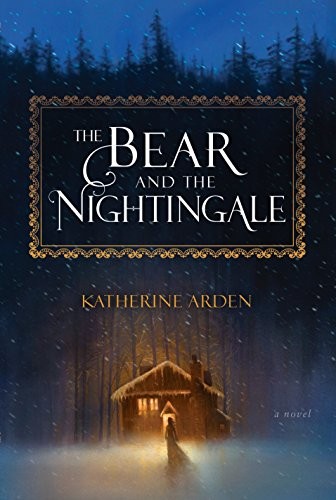
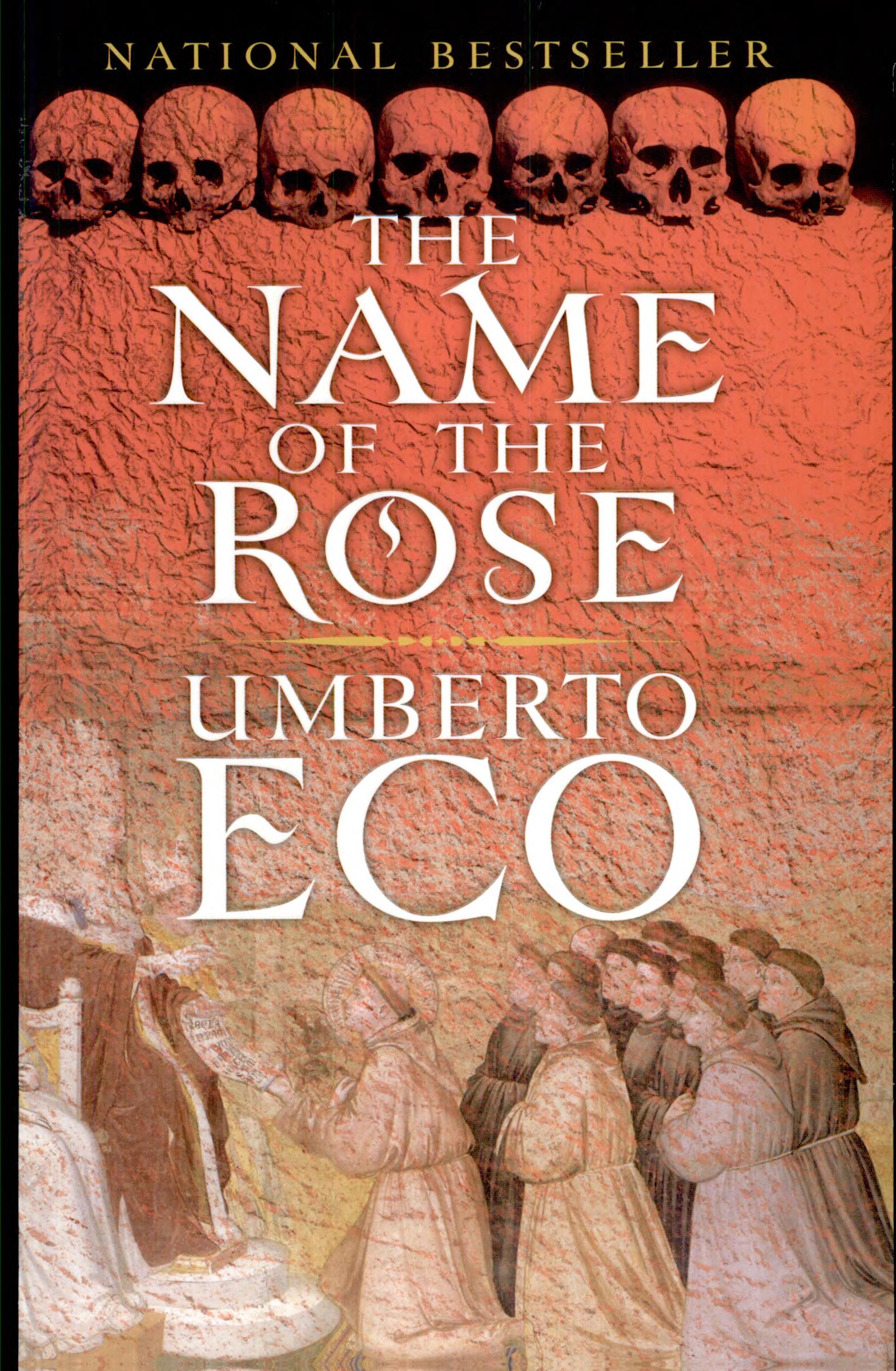
Kafka on the ShoreHaruki MurakamiMurakami’s most formally strange novel operates by dream logic rather than causality, and its pleasures are specifically Piranesi’s: the experience of being inside a world whose rules are consistent but whose consistency you cannot fully map. Fish rain from the sky. Cats hold conversations. Two parallel storylines move toward each other with the inevitability of a dream in which you cannot change what happens. Murakami does not explain the strangeness, which is the correct decision — explanation would convert atmosphere into allegory, and atmosphere is the novel’s actual subject. Mexican GothicSilvia Moreno-GarciaHigh Place operates by its own logic, as the House does — a manor house in 1950s Mexico that is doing something to the people inside it, something that has to be understood on its own terms before it can be resisted. Moreno-Garcia builds the uncanny atmosphere through accumulation of detail rather than revelation, and the novel’s horror is most effective precisely when it remains ambiguous. Noemi Taboada is a better protagonist than most Gothic heroines because she is skeptical and analytically minded, which means the reader has to work through her skepticism alongside her. The payoff is earned. The Bear and the NightingaleKatherine ArdenArden’s Russian folklore is handled with the same respect for internal consistency that Clarke brings to the House. The domovoi and dvorovoi operate by rules that predate the novel’s plot and will outlast it — they are not explained for the reader’s benefit, and the characters who can perceive them navigate their world accordingly. Vasya’s gift is precisely the Piranesi quality: she perceives the world as it actually is rather than as the people around her have decided it should be interpreted. The winter atmosphere is specific and persistent enough to function as a character in its own right. The MagiciansLev GrossmanThe connection to Piranesi is structural rather than tonal. Grossman’s Fillory operates with the same internal consistency as Clarke’s House — a place with rules that were not assembled for the characters’ convenience and that do not bend when the characters need them to. Where Piranesi’s protagonist accepts the world he is in, Quentin Coldwater wants to negotiate with it, and the novel’s argument is precisely that this approach fails. Readers who loved Piranesi’s quality of a discovered rather than constructed world will find Fillory satisfying for the same reason, despite the very different emotional registers of the two books. The Name of the RoseUmberto EcoThe monastery in Eco’s medieval thriller shares with the House of Piranesi the quality of being a contained world with its own logic, its own geography that must be mapped by the protagonist, and its own rules that predate and will outlast the events of the plot. The labyrinthine library at the monastery’s heart is the most direct architectural parallel to Clarke’s vision — a place designed to conceal rather than reveal, navigable only by those who understand its organizing principle. William of Baskerville’s investigation is also a kind of cartography, and readers who responded to Piranesi’s cartographic patience will find it here in a very different register. American GodsNeil GaimanThe least obviously Piranesi-like entry on this list and the right recommendation for Piranesi readers who want the experience of a fully realized strange world stretched across an entire landscape rather than a single architectural space. Gaiman’s America is as internally consistent as Clarke’s House — the old gods living among the American landscape obey rules that Gaiman established and does not violate — and the novel’s specific quality of discovered mythology, the sense that these beings were here before the story and will remain after it, is a version of the effect Clarke achieves through Piranesi’s journals. Warmer and more picaresque in its pacing. Who This Is For
Readers who finished Piranesi and understood why most descriptions of it as “a fantasy novel” felt insufficient, and who want books that take atmosphere and internal world-logic as seriously as Clarke does. Not readers who primarily want plot or character — these books reward patience and surrender to their conditions rather than forward momentum. The fantasy catalogue has more in this direction for readers who want to stay in the genre.
Frequently Asked Questions
Q: Is there another book by Susanna Clarke that is similar to Piranesi?
A: Jonathan Strange and Mr Norrell, Clarke’s debut novel, is very different in scale — long and Victorian and populated — but shares Piranesi’s investment in a world of magic that operates by its own historical and institutional logic. If you loved how Clarke handles rules, you will find that same quality in Strange and Norrell, applied to a much broader canvas.
Q: What is the closest book to Piranesi in terms of atmosphere?
A: Mexican Gothic is the closest in terms of uncanny architecture and slowly escalating strangeness. Kafka on the Shore is closest in terms of surrendering to dream logic without expecting rational resolution.
Q: Is Piranesi a fantasy novel or literary fiction?
A: Both, in ways that make the question less useful than it sounds. It uses fantasy architecture — an impossible house, magical elements — to make arguments about consciousness, isolation, and the nature of knowledge that literary fiction usually makes differently. Readers who avoid fantasy on grounds of genre quality will find Piranesi confounds those expectations.
Q: How long is Piranesi, and are the books on this list similar in length?
A: Piranesi is short, under 300 pages, and reads in a sitting or two. The Magicians and American Gods are full-length novels at 400-500 pages. The Name of the Rose is the longest at around 500 pages. Mexican Gothic and The Bear and the Nightingale fall in the middle.
Not sure which of these is right for you specifically? The Pagesmith quiz matches you to books based on your mood, pacing preference, and reading goals, not bestseller lists. Takes two minutes.