Books like Rebecca are harder to find than most recommendations suggest because they focus on the gothic setting and miss what actually makes the novel work: the specific psychological dynamic of a narrator who is overwhelmed by someone she never met. The second Mrs de Winter is haunted not by a ghost but by an idea of a person, constructed entirely from other people’s memories and expectations — and that dynamic, of a living person crushed by an absent one, is the novel’s real subject. Finding books with that quality is the actual challenge.
Books with the same dominating absence at the centre
The most distinctive quality of Rebecca is that its most powerful character appears in no scene. These books share that specific technique of using an absent person to control the present.
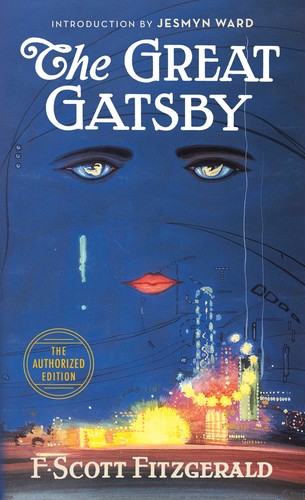
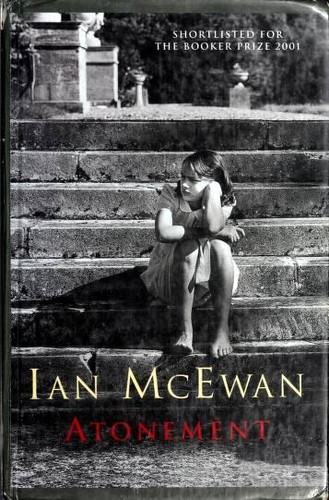
Rebecca works because the first Mrs de Winter is more present than anyone alive in the novel — and a narrator crushed by someone she never met is a more disturbing situation than any ghost could be.
Books with the same gothic atmosphere and slow dread
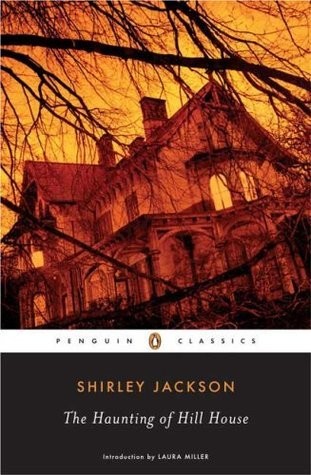
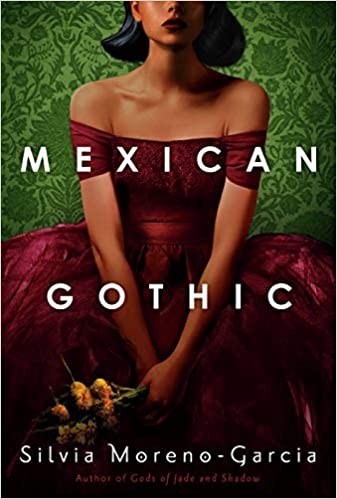
Books with the same unreliable narrator and hidden truth
The most direct literary heir
Who this is for
This list is for readers who responded to Rebecca’s specific combination of gothic atmosphere, psychological dread, and the sense of a past that controls the present — not simply readers who want more romantic fiction set in English country houses. Start with Mexican Gothic for the most direct contemporary heir. The Haunting of Hill House for the purest gothic atmosphere. Jane Eyre to understand where Rebecca came from. Browse horror and literary fiction for more.
Frequently asked questions
Q: What should I read after Rebecca by Daphne du Maurier? A: Mexican Gothic by Silvia Moreno-Garcia is the most direct contemporary heir — written in conscious dialogue with du Maurier and the gothic tradition. The Haunting of Hill House by Shirley Jackson is the most formally accomplished gothic novel of comparable quality. Jane Eyre by Charlotte Bronte is the novel Rebecca rewrites.
Q: What books have the same atmosphere as Rebecca? A: The Haunting of Hill House is the most atmospheric — Jackson’s prose creates the sense of a building with its own intentions that is directly comparable to Manderley. The Woman in Black by Susan Hill achieves the same quality in a much shorter form. The Little Stranger by Sarah Waters uses a decaying country house with the same psychological intelligence.
Q: Is Rebecca horror or romance? A: Both, which is part of why it has lasted. It is structured like a romance — a young woman, an older wealthy man, an isolated estate — but uses gothic and horror conventions to examine what that romantic scenario actually conceals. The horror is not supernatural but psychological: Mrs Danvers, the still-living rooms, the discovery of what Rebecca was actually like.
Q: What is similar to Rebecca but more modern? A: Mexican Gothic is the most recent novel in direct conversation with Rebecca’s gothic tradition. Behind Her Eyes by Sarah Pinborough has the same quality of a hidden truth that restructures everything once revealed. The Silent Patient uses the same psychological dynamic of a narrator who does not understand their own situation.
Not sure which of these is right for you specifically? The Pagesmith quiz matches you to books based on your mood, pacing preference, and reading goals — not bestseller lists. Takes two minutes.