Books Like The Corrections for Fans of the American Family Novel
The Corrections works because Franzen is simultaneously inside and outside his characters -- intimate enough to make them sympathetic, clear-eyed enough to expose the self-deceptions driving them. These books share that double exposure: American families seen from close enough to love and far enough to diagnose.
May 2026 · 8 min read · The Pagesmith
The Corrections is a novel about a Midwestern family in the late twentieth century, and it is also about the specific American pathology of optimism — the gap between what people believe their lives should look like and what those lives actually are. Franzen renders the Lambert family with enough intimacy that the reader understands and in some ways shares their delusions: Alfred’s pride, Enid’s hunger for social confirmation, Gary’s self-righteous competence, Chip’s grandiose self-image, Denise’s perfectionism. And then he shows, with equal precision, exactly how each of those qualities operates as a self-deception — how the family members are simultaneously the most self-aware people in their social worlds and catastrophically blind to themselves in specific ways that cost them the things they want most. The books here share that structure: families rendered with enough precision that the reader holds the love and the damage simultaneously, without being able to resolve one into the other.
What The Corrections Is Doing That Most Family Novels Don’t
The American family novel has two dominant modes. The first is the sympathetic portrait: the family is damaged, the damage is explained, and the reader is positioned to understand and ultimately forgive. The second is the satirical portrait: the family is ridiculous, their pretensions are exposed, and the reader maintains a superior distance. The Corrections refuses both positions. Franzen is not satirizing the Lamberts — the novel is too genuinely invested in what each of them wants and why they want it. But he is also not forgiving them — the self-deceptions are too precisely rendered for that. The result is the most uncomfortable and most honest position: fully seeing people you also fully understand.
The best American family fiction holds the love and the diagnosis in the same frame without allowing either to cancel the other out — which requires the novelist to care about the characters enough to see them clearly, and to see them clearly enough to care.
The Books
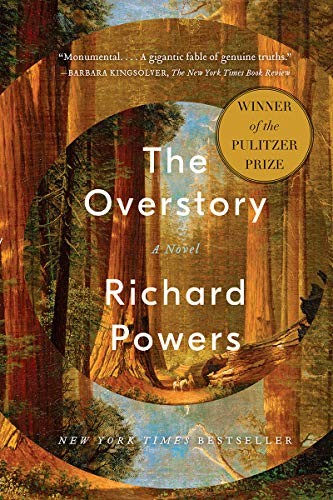
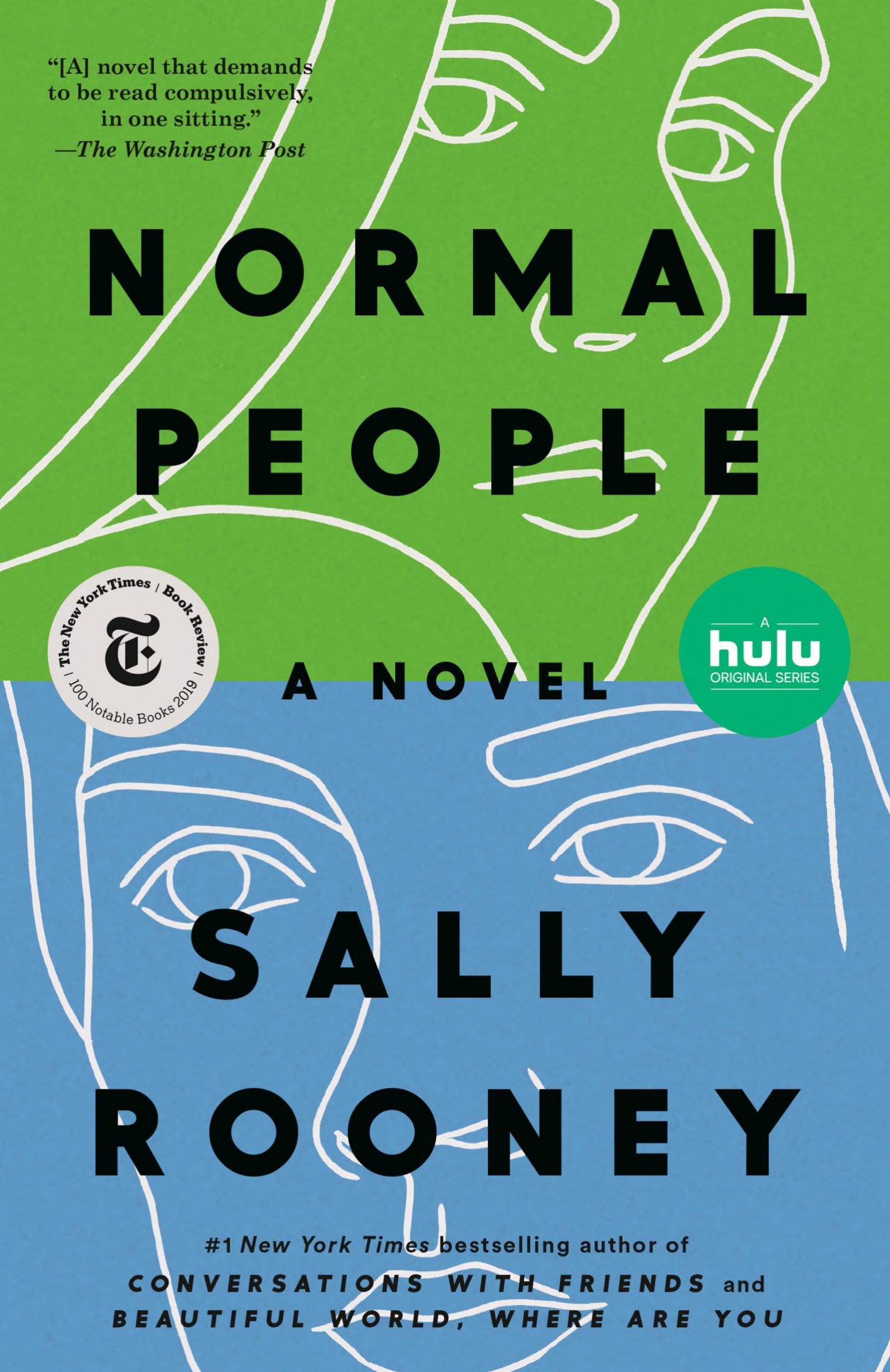
White NoiseDon DeLilloDeLillo’s campus family novel is The Corrections’ closest formal companion: both are dark comedies about American families structured around the gap between what people believe their lives represent and what their lives actually are. Where Franzen organizes his novel around the Lambert children’s corrections to their parents’ failures, DeLillo organizes his around Jack Gladney’s death anxiety and the pharmaceutical management of it. Both novels treat consumer culture and institutional identity as the specific American substitutes for meaning, and both are more interested in exposing the substitution than in providing an alternative. DeLillo is stranger and less novelistically conventional than Franzen; the dark comedy is more surreal and less psychological. The OverstoryRichard PowersPowers applies Franzen’s method — multiple family lines, each rendered with enough specificity to produce genuine investment, each intersecting with a larger historical argument — to the question of what Americans value and what those values are costing the non-human world. The Overstory is more explicit than The Corrections about its political argument, but the individual family stories are rendered with the same psychological precision. The Hoel family’s chestnut tree, the Appich family’s game theory, the Chen daughter’s miraculous survival: each is a family story that is also an argument about a specific American relationship to the natural world. More ambitious in scale than Franzen and less funny, but sharing his structural intelligence. Normal PeopleSally RooneyRooney applies Franzen’s precision about self-deception to a much smaller canvas: two young Irish people whose relationship keeps failing at the same point for the same reason they cannot identify. Normal People is a family novel compressed into a relationship novel — the class dynamics between Connell and Marianne replace the generational dynamics of the Lambert family — but the psychological method is identical. Rooney renders both characters with enough intimacy that the reader understands each of them better than they understand themselves, which produces the specific Franzenian frustration of watching people fail to say the obvious thing for comprehensible but inexcusable reasons. The most accessible book on this list and the fastest. The Great AloneKristin HannahHannah’s novel approaches the American family at its most extreme: a family isolated in the Alaskan wilderness by a father whose PTSD and paranoia have removed the social constraints that would otherwise manage his violence. The Allbright family’s dysfunction is more operatic than the Lamberts’ — the Alaska setting amplifies everything — but Hannah shares Franzen’s commitment to rendering all three family members with enough psychological specificity that none of them is simply a villain or a victim. The novel is also, like The Corrections, about what children do with the parents they were given: what Leni inherits from her mother’s choices, and whether that inheritance is destiny or something she can escape. The Grapes of WrathJohn SteinbeckSteinbeck’s novel is the structural predecessor of The Corrections’ central argument: an American family whose self-image (hardworking, independent, entitled by virtue of their labor to a decent life) collides with economic and social systems that have no interest in honoring that self-image. Where Franzen’s Lamberts are defeated by their own psychological limitations, the Joads are defeated by systemic forces outside their control — but Steinbeck renders both the systemic argument and the family’s individual characters with the same precision. Ma Joad, Tom, Rose of Sharon: each is psychologically specific in ways that make the family’s dignity under impossible conditions feel earned rather than sentimental. The least comedic book on this list and the most politically direct. MiddlesexJeffrey EugenidesEugenides’ Pulitzer winner extends the American family novel across three generations of Greek immigrants, using Cal’s intersex identity as the lens through which to examine what families transmit across assimilation — not just cultural practices but the specific shape of psychological inheritance. Like The Corrections, Middlesex is organized around the question of what children inherit from their parents and whether that inheritance is fate or circumstance. The multigenerational structure gives Eugenides a longer view than Franzen takes, and the novel is more interested in the family as a historical phenomenon than The Corrections, which is more interested in the family as a psychological one. Both are essential; together they give the American family novel its full range. Who This Is For
Readers who finished The Corrections admiring how Franzen managed to make the Lambert family simultaneously infuriating and sympathetic, and who want more fiction that holds the love and the diagnosis of a family in the same frame without allowing either to simplify the other. Also literary fiction readers who want the American family as a site of serious social and psychological analysis rather than as a source of dramatic conflict. The literary fiction and contemporary catalogues have more in this direction.
Frequently asked questions
Q: What is The Corrections about?
A: The Lambert family of St. Jude, a fictional Midwestern city. Alfred Lambert, the patriarch, is developing Parkinson’s and dementia; his wife Enid wants one last family Christmas together. Their three adult children — Gary the banker, Chip the former academic, Denise the chef — are each navigating their own crises in ways shaped by what the Lambert family produced in them. The novel moves between all five perspectives, and the corrections of the title are the adjustments each character is forced to make as their self-images encounter reality.
Q: Is White Noise comparable to The Corrections in tone?
A: Both are dark comedies about American families and both use a campus setting for significant portions of the narrative. White Noise is stranger and more surreal — the Airborne Toxic Event and its pharmaceutical aftermath are more hallucinatory than anything in Franzen — while The Corrections is more psychologically conventional and more emotionally intimate. Both are funny; DeLillo’s humor is cooler and more deadpan, Franzen’s is warmer and more satirical.
Q: What should I read after The Corrections if I want more Franzen?
A: Freedom, his second major novel, applies the same method to a different family — the Berglunds of Minnesota — with more explicit political content about environmentalism and American foreign policy. It is less immediately funny than The Corrections but the psychological precision is comparable. The Corrections remains his best novel; Freedom is a strong second.
Q: Is Normal People really comparable to The Corrections?
A: In scale, no — Normal People is much shorter and concerns only two characters rather than a full family. But the psychological method is almost identical: Rooney renders both Connell and Marianne with the same combination of intimacy and diagnostic precision that Franzen brings to the Lamberts, and the reader’s experience of understanding both characters better than they understand themselves produces the same specific frustration. The scale is different; the method and the effect are very similar.
Not sure which of these is right for you specifically? The Pagesmith quiz matches you to books based on your mood, pacing preference, and reading goals, not bestseller lists. Takes two minutes.