Books Like The Covenant of Water for Multigenerational Epic Fans
The Covenant of Water earns its length through the same method as the best family epics: it builds a world so fully that losing people inside it feels like genuine loss, and the medical mystery it carries across three generations is inseparable from the love that carries it. These books share that combination of historical depth, intimate character, and time.
June 2026 · 8 min read · The Pagesmith
The Covenant of Water is organized around something rare in the literary novel: genuine patience. Abraham Verghese takes three generations of a South Indian Christian family in Kerala from 1900 to 1977, and he takes his time with each of them — the first grandmother who marries at twelve and outlives almost everyone she loves, her daughter who becomes a physician, her grandson who inherits the family’s mysterious condition. The novel’s patience is not slow pacing but confidence: Verghese believes in the specificity of the world he is building, and he understands that the emotional payoff of the final movement depends entirely on how fully the reader has inhabited the preceding ones. The books here share that structural confidence. They are all long, all built around families that accumulate across decades or generations, and all organized around the conviction that a world rendered fully and specifically — its landscapes, its social architecture, its recurring characters — is the only container adequate to what these stories need to say.
What the Multigenerational Novel With Lyrical Prose Does Best
The Covenant of Water belongs to a specific tradition within the multigenerational family novel: books that use the historical scope not primarily to make a political or structural argument (the Homegoing tradition) but to render the texture of a specific world in full. The Kerala of Verghese’s novel — its monsoons, its medical culture, its specific social geography of caste and religion and water — is as fully present as any place in contemporary literary fiction. The family carries the world; the world carries the family. The books here all share that relationship between place and character: the setting is not backdrop but co-protagonist, and the novel’s emotional weight depends on the reader’s accumulated investment in both.
The multigenerational novel that earns its length does so not through incident but through accumulation — the gradual realization that the world it has built is as real as any you have lived in, and that the people inside it matter with the fullness of people you actually know.
The Books
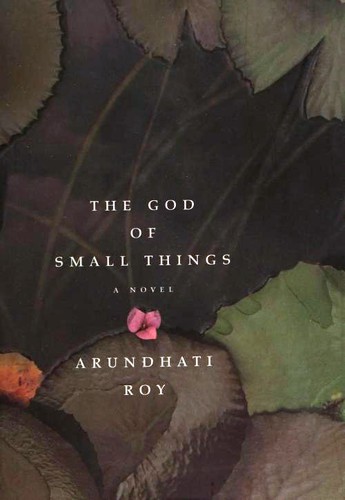
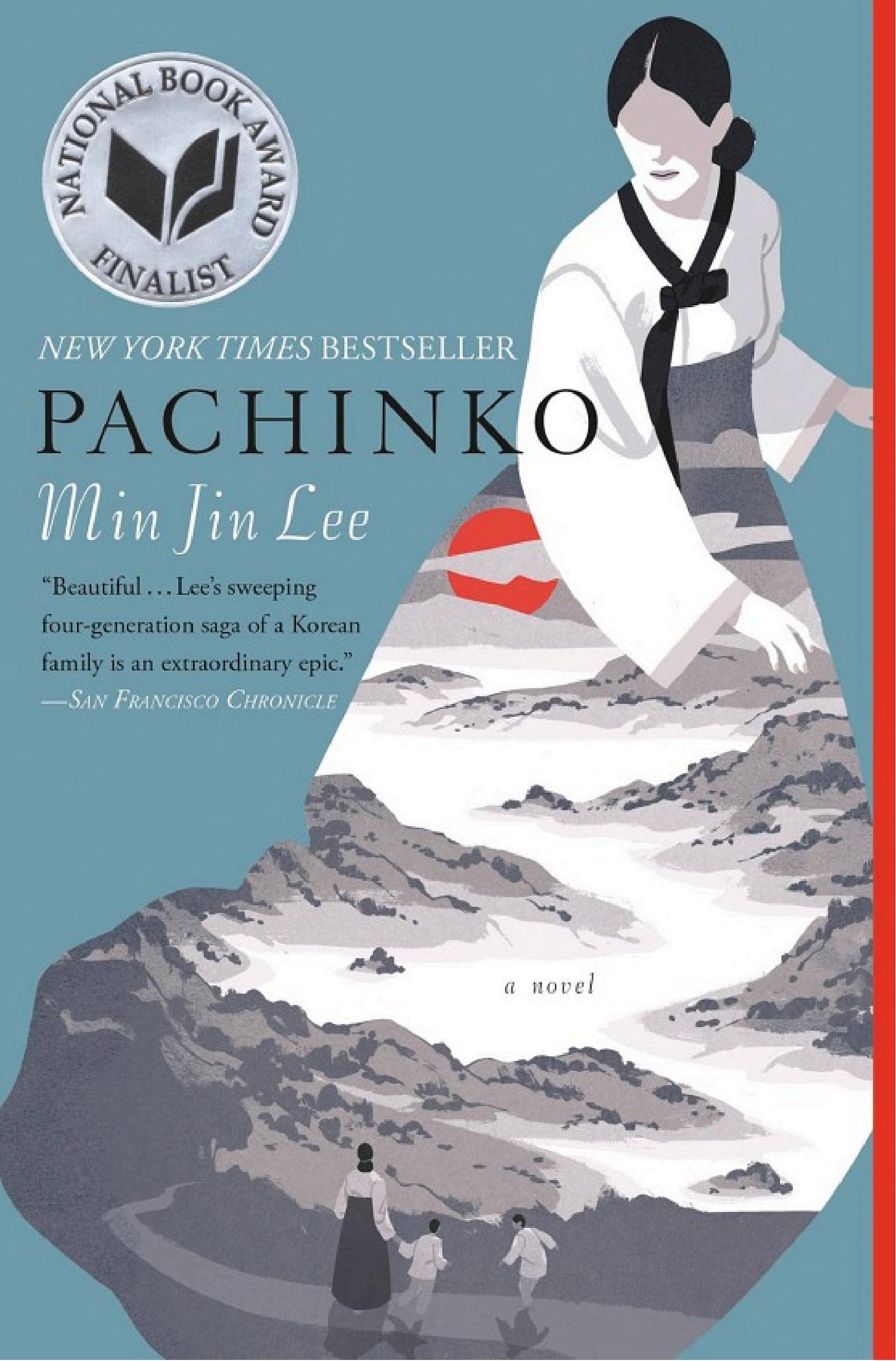
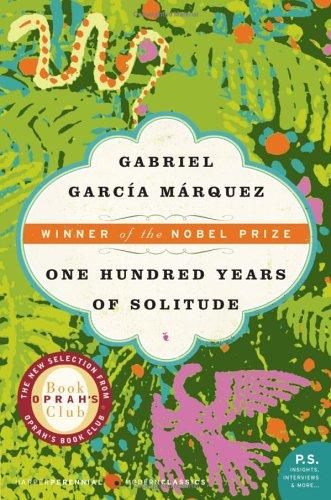
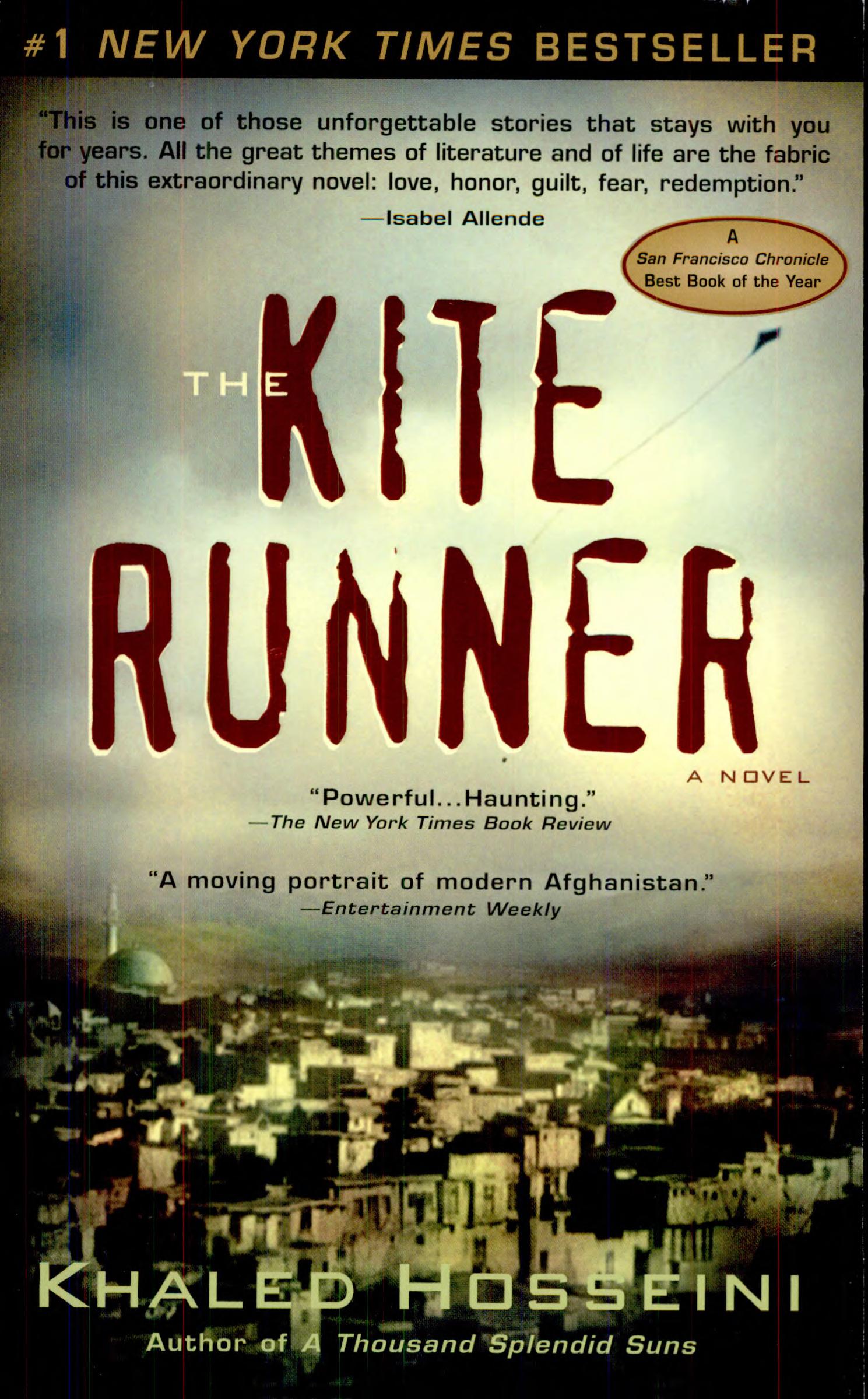
The God of Small ThingsArundhati RoyThe most direct companion to The Covenant of Water in terms of setting and sensibility: Kerala, a specific family, prose that is as attentive to physical sensation as to emotional truth. Roy’s novel is more structurally complex than Verghese’s — the non-linear approach witholds and reveals the central catastrophe across the novel’s full length — and the prose is denser and more lyrical, closer to poetry in its rhythms. Both novels are organized around a family that carries something across generations (in Roy’s case a forbidden love and its consequences, in Verghese’s case a genetic condition), and both are as interested in the specific texture of Keralan life — the river, the house, the social hierarchies of caste — as in the family drama. The most essential companion reading for The Covenant of Water. PachinkoMin Jin LeeLee’s four-generation saga of a Korean family in Japan shares The Covenant of Water’s essential structure — a family carrying an inheritance across generations, each generation shaped by the historical conditions of its moment — and its investment in making that historical argument through the intimacy of specific lives rather than through sociology. The specific Korean-Japanese context gives the novel a subject that most English-language readers know nothing about, which produces the same quality of discovery that Verghese’s Kerala generates: a world rendered from the inside in ways that no outside account could achieve. The most socially precise family saga on this list and the one that most clearly demonstrates how a multigenerational structure can make a political argument without stating it as a political argument. One Hundred Years of SolitudeGabriel Garcia MarquezThe multigenerational family novel at its most formally ambitious: seven generations of the Buendia family in the mythical town of Macondo, rendered through magical realism that treats the impossible as ordinary and the historical as cyclical. Where The Covenant of Water is organized around a medical mystery and the love that sustains a family through it, One Hundred Years of Solitude is organized around the Buendia family’s compulsive repetition — the same names, the same obsessions, the same failures recurring across generations because the past is never processed into something that can be learned from. The most formally different novel on this list from Verghese’s realism, but sharing its patience with a world built carefully enough that the reader inhabits it rather than observes it. The Shadow of the WindCarlos Ruiz ZafonZafon’s Barcelona novel shares The Covenant of Water’s lyrical relationship to a specific city at a specific historical moment: post-Civil War Barcelona rendered with the same physical precision and emotional weight that Verghese brings to Kerala. Where Verghese’s mystery is medical and familial, Zafon’s is literary and historical — a boy’s discovery of a forgotten book whose author’s life gradually reveals the damage Franco’s Spain did to specific people. Both novels are organized around a secret that stretches across decades and requires a young person to reconstruct what happened to an older generation. The most atmospheric novel on this list and the one that most directly shares The Covenant of Water’s quality of love for its setting. The Kite RunnerKhaled HosseiniHosseini’s novel shares The Covenant of Water’s combination of lyrical prose, a specific place rendered with love, and a family secret that shapes everything across decades. The Afghanistan of Hosseini’s pre-Soviet-invasion Kabul chapters is as fully realized as Verghese’s Kerala, and the guilt that Amir carries is as constitutive of the family’s subsequent history as the genetic condition in The Covenant of Water — both novels are organized around something inherited and carried. Hosseini is more thriller-propulsive than Verghese and more organized around the retrospective confession, but the essential quality of a narrator looking back at a world that was destroyed and trying to account for his place in its destruction is the same emotional territory. HomegoingYaa GyasiThe most structurally innovative multigenerational novel on this list: eight chapters, eight generations, the same family traced across two continents from the eighteenth century to the present. Where The Covenant of Water builds its world through sustained immersion in three generations across a century, Homegoing builds it through compression — each chapter is a self-contained portrait, each one slightly less detailed than a sustained novel could provide, but the cumulative effect of eight portraits is an argument that no single portrait could make. For readers who loved The Covenant of Water’s patience with a family across time, Homegoing provides the historical argument at its most formally explicit: the family structure is the analytical tool, and the argument it makes about historical violence across generations is the most complete available in contemporary literary fiction. Who This Is For
Readers who finished The Covenant of Water understanding that the medical mystery was not the subject but the vehicle, and who want more family epics organized around the same combination: a specific place rendered with genuine love, prose that takes its time with physical and emotional sensation, and a family carried across enough time that the reader inhabits their world rather than visiting it. The literary fiction and historical fiction catalogues have more in this direction.
Frequently asked questions
Q: How long is The Covenant of Water and is it worth the commitment?
A: Around 700 pages. It is worth the commitment for readers who responded to its first hundred pages — Verghese establishes his world and his prose register very quickly, and readers who find themselves inside the world of Kerala by the end of the first section will find the subsequent 600 pages sustain that quality. Readers who find the early sections slow should check whether The God of Small Things, which covers similar territory with more formal complexity and shorter length, might be the more appropriate starting point.
Q: What makes Kerala such a compelling setting for literary fiction?
A: Kerala’s specific combination of cultural elements — its Syrian Christian minority, its history of Communist electoral politics in a deeply religious state, its landscape of backwaters and coconut groves and monsoon, its specific caste dynamics — produces a setting that is unlike any other in South Asia and that most Western readers know almost nothing about. Both Verghese and Roy use this unfamiliarity as an asset: the reader’s discovery of the world they are building is part of the reading experience.
Q: Can I read Homegoing and The Covenant of Water in either order?
A: Both are independent and both are complete on their own. The structural contrast — Homegoing’s compression versus Verghese’s sustained immersion — produces an interesting comparison read. Homegoing is considerably shorter (around 300 pages) and would make a good companion read during or after The Covenant of Water for readers interested in how different multigenerational structures produce different effects.
Q: What should I read after The God of Small Things?
A: The Ministry of Utmost Happiness is Roy’s second novel, published twenty years later — more sprawling, more explicitly political, and more formally experimental. It is a more difficult book than The God of Small Things and rewards readers who want Roy’s full range rather than her most concentrated achievement. The Covenant of Water is a natural companion read that covers adjacent South Asian territory through a completely different formal approach.
Not sure which of these is right for you specifically? The Pagesmith quiz matches you to books based on your mood, pacing preference, and reading goals, not bestseller lists. Takes two minutes.