6 Books Like The Great Gatsby You Need to Read
Gatsby works because its surfaces are beautiful and its critique of those surfaces is total. These books share that double vision: a world rendered with enough precision that the reader sees both its seductive qualities and exactly what those qualities are concealing.
May 2026 · 7 min read · The Pagesmith
Books like The Great Gatsby get recommended constantly, and most of the recommendations miss what makes the novel actually work. It is not primarily a love story, not primarily a class novel, and not primarily a critique of the American Dream, though it is all three. What makes it irreplaceable is Fitzgerald’s tonal precision: the prose is exactly as beautiful as the world it describes, which makes the critique arrive not as moralizing but as recognition. The reader falls for Gatsby’s parties the same way Nick does, which means the revelation of what those parties are sustaining arrives as a personal disillusionment rather than an external judgment. The books here share that specific achievement — they seduce the reader into the world they are critiquing, and the critique arrives from inside the seduction rather than from a safe distance above it.
What Gatsby Is Actually Doing
The green light at the end of Daisy’s dock is one of literature’s most analyzed images, and the analysis usually focuses on what Gatsby wants. The more interesting question is what the reader wants: specifically, whether Fitzgerald has made us want the same thing Gatsby wants, and whether that wanting survives the novel’s final pages. The answer is that it barely does. The parties are described with genuine rapture; the corruption underneath them is exposed with equal precision. Both are true simultaneously, and the reader holds both truths. The books here do the same work in different settings — they make the reader desire the world being described while also showing, with precision rather than polemics, what that desire costs.
The most effective social critique in fiction does not stand above its subject and condemn it. It renders the subject with enough fidelity that the reader falls for it — and then shows what falling for it produces.
The Books
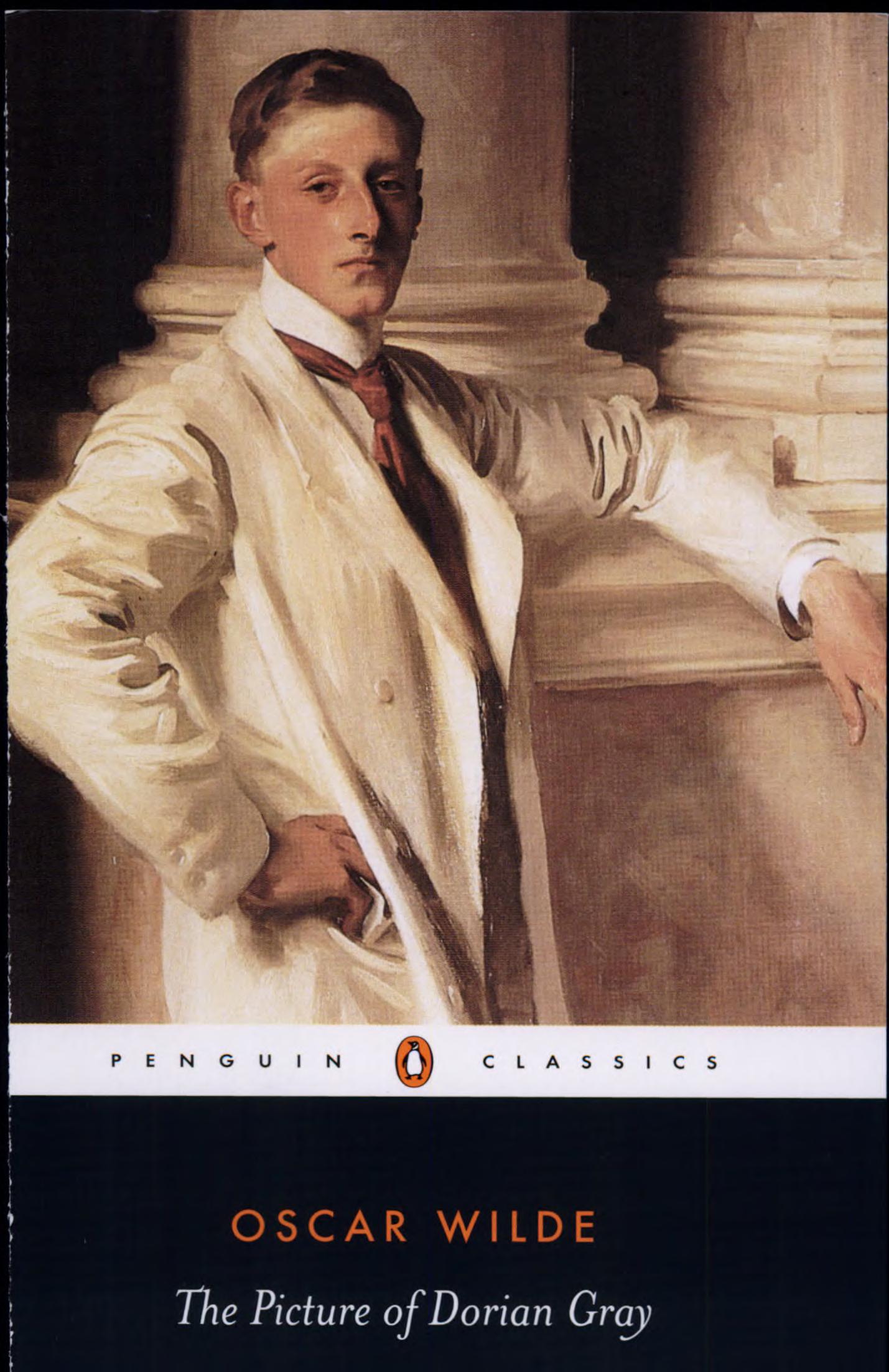
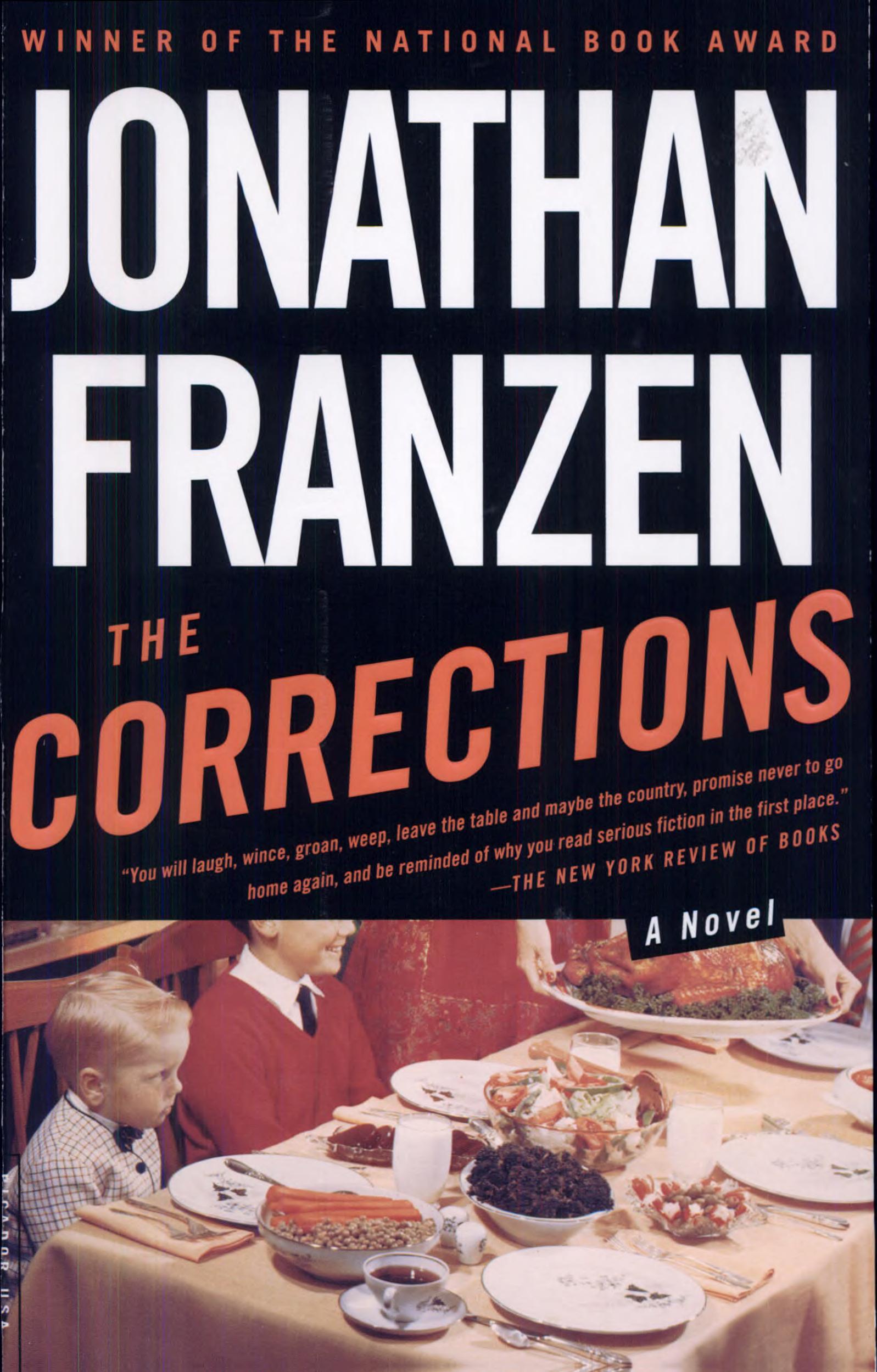
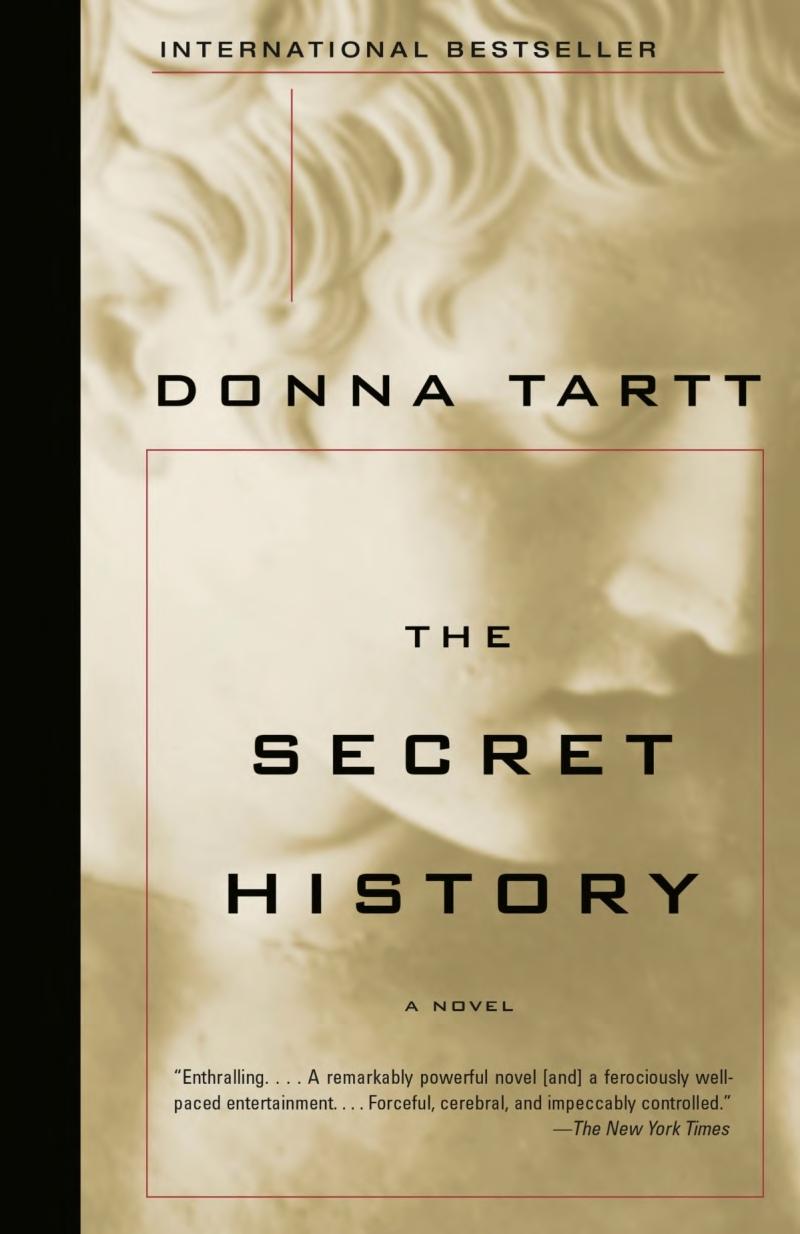
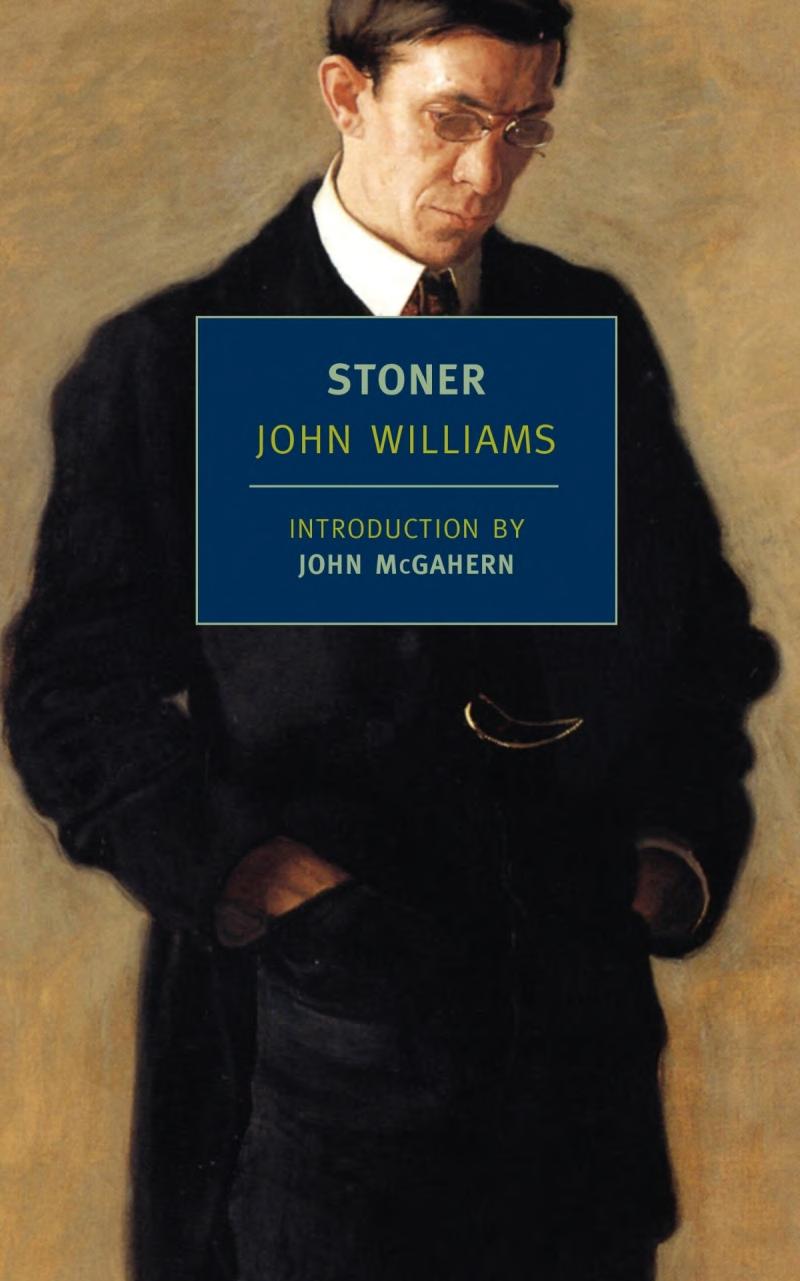
The Age of InnocenceEdith WhartonWharton renders old New York society with the same tonal precision that Fitzgerald brings to Gatsby’s parties: the elegance is real, the violence underneath it is real, and both are true simultaneously. Newland Archer’s desire for Ellen Olenska and his inability to act on it are produced by the same social machinery, and Wharton never allows the reader to be angry at the machinery from outside it. The prose is too precise for that, too clearly in love with the surfaces it is exposing. For readers who want Gatsby’s social critique without the Prohibition-era romanticism, The Age of Innocence is the sharper and ultimately more devastating version of the same argument. The Picture of Dorian GrayOscar WildeWilde’s novel shares Gatsby’s essential structure: a beautiful surface that conceals a corrupting interior, rendered in prose so pleasurable that the reader is complicit in the beauty before the corruption becomes visible. Dorian’s portrait does what Gatsby’s parties do — it externalizes the cost of a life organized around surface and desire, making the damage visible while the surface remains intact. The social world Wilde describes is as seductive as Fitzgerald’s, and his critique of it is delivered through aphorism rather than symbolism, which makes it simultaneously lighter and sharper. The most stylistically similar novel to Gatsby in the English tradition. White NoiseDon DeLilloDeLillo updates Gatsby’s argument for the consumer age: the surfaces are now supermarket shelves and television noise rather than parties and green lights, and the corruption underneath them is not moral compromise but the specific American dread of death that consumer culture is designed to manage. Jack Gladney’s accumulation of identity through position and stuff is the logical endpoint of the Gatsby project — if enough surface can be produced, perhaps the void underneath can be filled. DeLillo’s prose has the same quality as Fitzgerald’s: it renders consumer culture with an affection and precision that makes the critique arrive from inside the reader’s own enjoyment rather than from outside it. The CorrectionsJonathan FranzenFranzen applies Fitzgerald’s method to the late twentieth-century American family: the surfaces of the Lambert household — the Midwestern respectability, the children’s achieved independence, the father’s authority — are rendered with enough specificity that the reader understands their appeal before understanding their cost. The corrections of the title are the adjustments each family member is forced to make as those surfaces fail, and Franzen is interested in the same question Fitzgerald is: what was all of it for, and who paid for it without knowing they were paying. More sprawling than Gatsby and with darker comedy, but sharing its essential structure of seduction followed by honest reckoning. The Secret HistoryDonna TarttTartt’s novel shares Gatsby’s most specific structural feature: a narrator who is drawn to a world he does not fully belong to, rendered by a prose style that makes that world as beautiful as the narrator finds it, and whose complicity in what that world produces is the novel’s moral argument. Richard Papen is Nick Carraway with a murder to account for rather than a party to leave. The aesthetic world of Henry Winter’s Greek seminar has the same seductive quality as Gatsby’s parties — the reader falls for it alongside Richard — and the novel’s horror is proportional to how completely Tartt has made that falling-for feel reasonable. The most direct structural inheritor of Gatsby in contemporary American fiction. StonerJohn WilliamsThe counterintuitive entry and the most honest version of the Gatsby argument available. Where Gatsby is about a man who mistakes the green light for the thing itself, Stoner is about a man who never quite reaches the green light but spends his whole life in its vicinity, sustaining enough hope to keep going without enough achievement to have been going somewhere. Williams renders an ordinary academic life with the same tonal precision Fitzgerald brings to extraordinary wealth, and the reader invests fully in a life that, from the outside, amounts to very little. The most devastating of the books here, because the beautiful surfaces it renders are the most ordinary. Who This Is For
Readers who finished The Great Gatsby understanding that Nick is as implicated as Gatsby and as unreliable as any narrator in fiction, and who want books that produce the same experience of being inside a world’s appeal while also seeing clearly what that appeal costs. Literary fiction readers who want social critique that arrives through the prose rather than over it. The literary fiction catalogue has more in this direction.
Frequently asked questions
Q: What makes The Great Gatsby a great novel?
A: The formal achievement: Fitzgerald makes the reader desire the world he is critiquing, which means the critique arrives as personal disillusionment rather than external judgment. Nick’s narration is beautiful precisely where the world it describes is most corrupt, which implicates the reader in the seduction before delivering the reckoning. It is also very short, which means every sentence is doing essential work.
Q: Is The Great Gatsby really about the American Dream?
A: It is, but the “American Dream” framing tends to make the novel sound more allegorical than it is. The novel is about specific people — Gatsby’s specifically American form of self-invention, Daisy’s specifically American form of carelessness — and the argument about the American Dream emerges from their specific failure rather than being stated as a thesis. The social critique is more embedded and more effective for being shown rather than declared.
Q: What is the best Fitzgerald novel after The Great Gatsby?
A: Tender Is the Night is the novel Fitzgerald himself considered his best, and it has the same tonal combination of seductive surfaces and critique, applied to a longer canvas and a more explicitly psychological subject. It is considerably more difficult and more uneven than Gatsby but rewards the investment for readers who want more of what Gatsby does.
Q: What should I read if I loved The Great Gatsby but want something more contemporary?
A: White Noise is the most direct contemporary inheritor — DeLillo applies the same method to suburban consumer culture rather than Jazz Age wealth. The Corrections applies it to the American family rather than American class aspiration. The Secret History applies it to academic aestheticism. All three produce the same experience of falling for a world and then being shown what the falling costs.
Not sure which of these is right for you specifically? The Pagesmith quiz matches you to books based on your mood, pacing preference, and reading goals, not bestseller lists. Takes two minutes.