Books like The Midnight Library are not simply uplifting or feel-good fiction. The novel works specifically because Haig takes the question of unlived lives seriously and constructs his hope through accumulation of evidence rather than assertion. Nora tries the lives she might have had and finds them not better but different — which is a more honest argument for the value of the life you have than any simple reassurance could provide. Finding books with that same quality of earned hope is the challenge.
Books that construct hope through honest reckoning
These books share The Midnight Library’s specific mechanism: they arrive at something hopeful by taking the difficult thing seriously rather than by avoiding it.
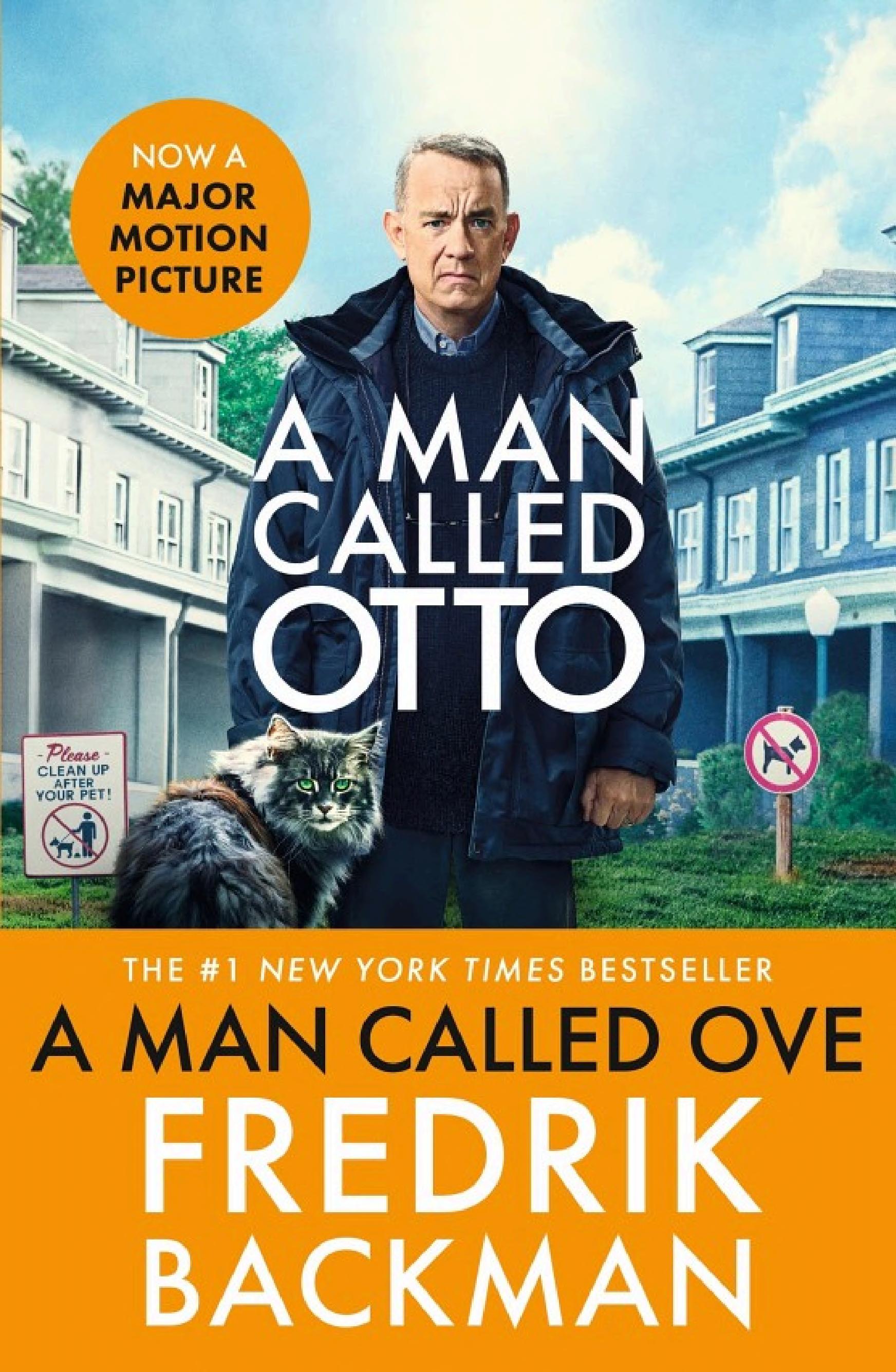
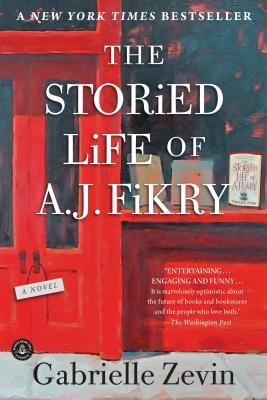
The Midnight Library works because Haig constructs his hope through evidence rather than assertion — Nora tries the lives she might have lived and finds them not better, just different. That is the more honest argument.
Books about second chances and the lives we did not choose
Books that arrive at warmth through loss
The most direct structural equivalent
Who this is for
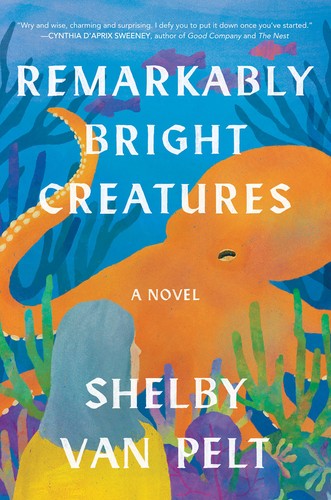
This list is for readers who loved The Midnight Library specifically because it earned its hope — who want books that take the difficult thing seriously before arriving at something warmer, not books that avoid the difficult thing entirely. Start with A Man Called Ove or Remarkably Bright Creatures for the closest emotional match. Dark Matter or Life After Life for the same structural mechanism in a different register. Browse contemporary fiction for more.
Frequently asked questions
Q: What should I read after The Midnight Library? A: A Man Called Ove by Fredrik Backman is the closest emotional equivalent — a man at the edge of his life pulled back by the people around him, with the same quality of accumulated small moments making the case for staying. Remarkably Bright Creatures has the same warmth and the same earned hope.
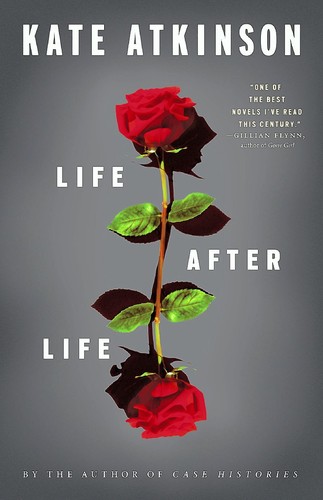
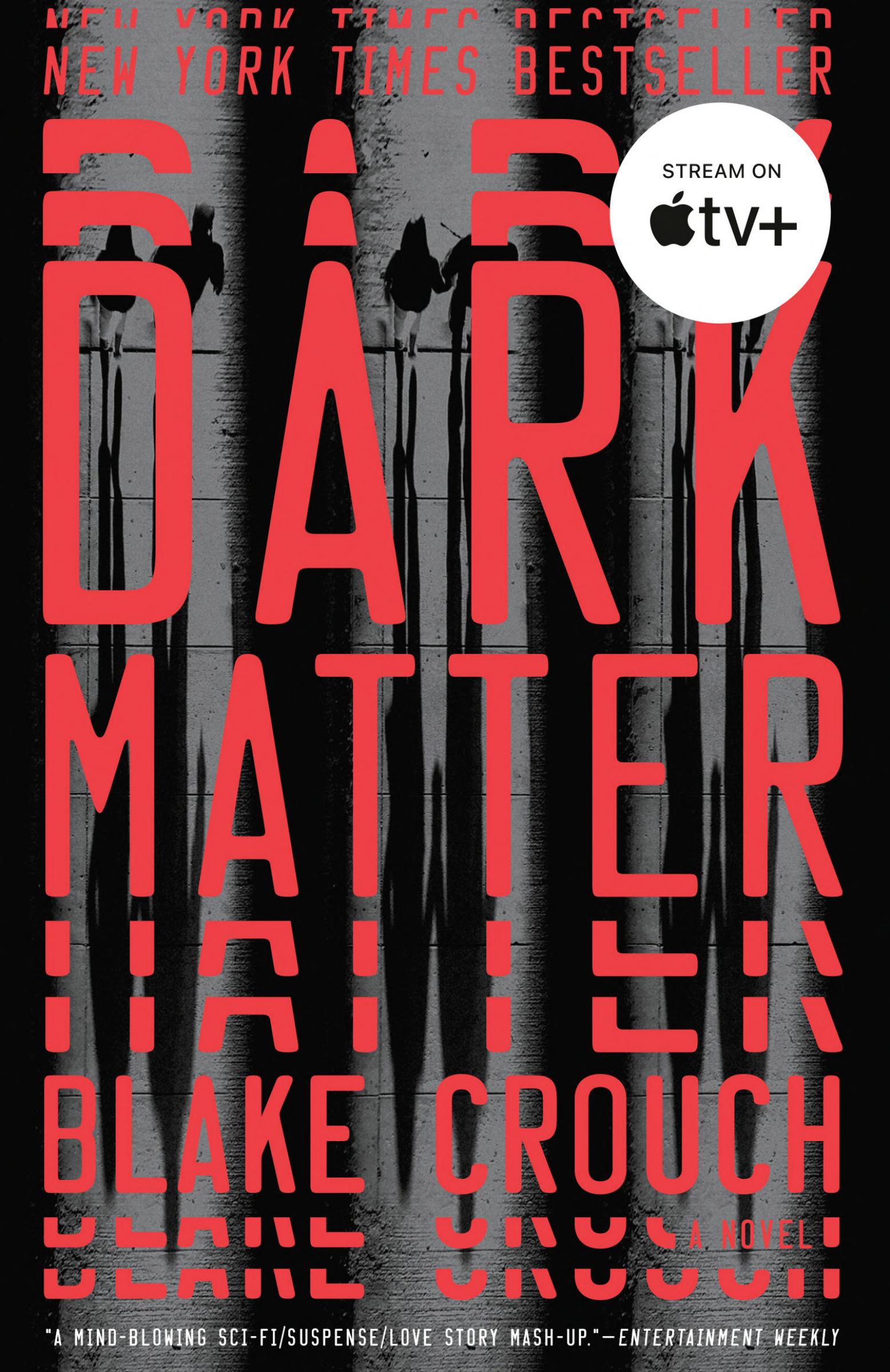
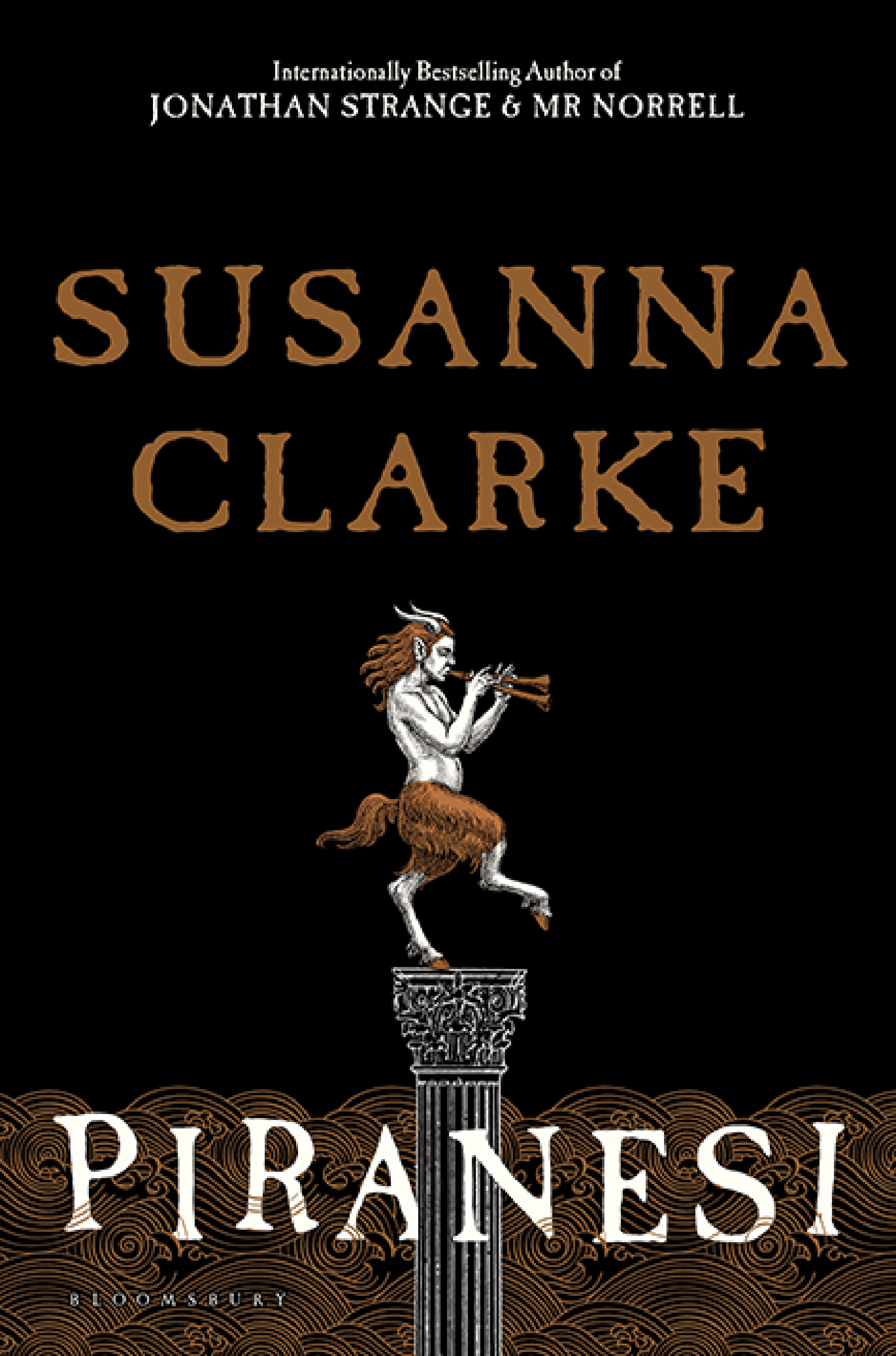
Q: Are there books with the same concept as The Midnight Library? A: Life After Life by Kate Atkinson uses the same mechanism — multiple lives, alternate choices — but applies it with literary fiction rigour and more ambiguity about where it is going. Dark Matter by Blake Crouch uses the multiverse premise in a thriller structure with the same argument about the value of the specific life you chose.
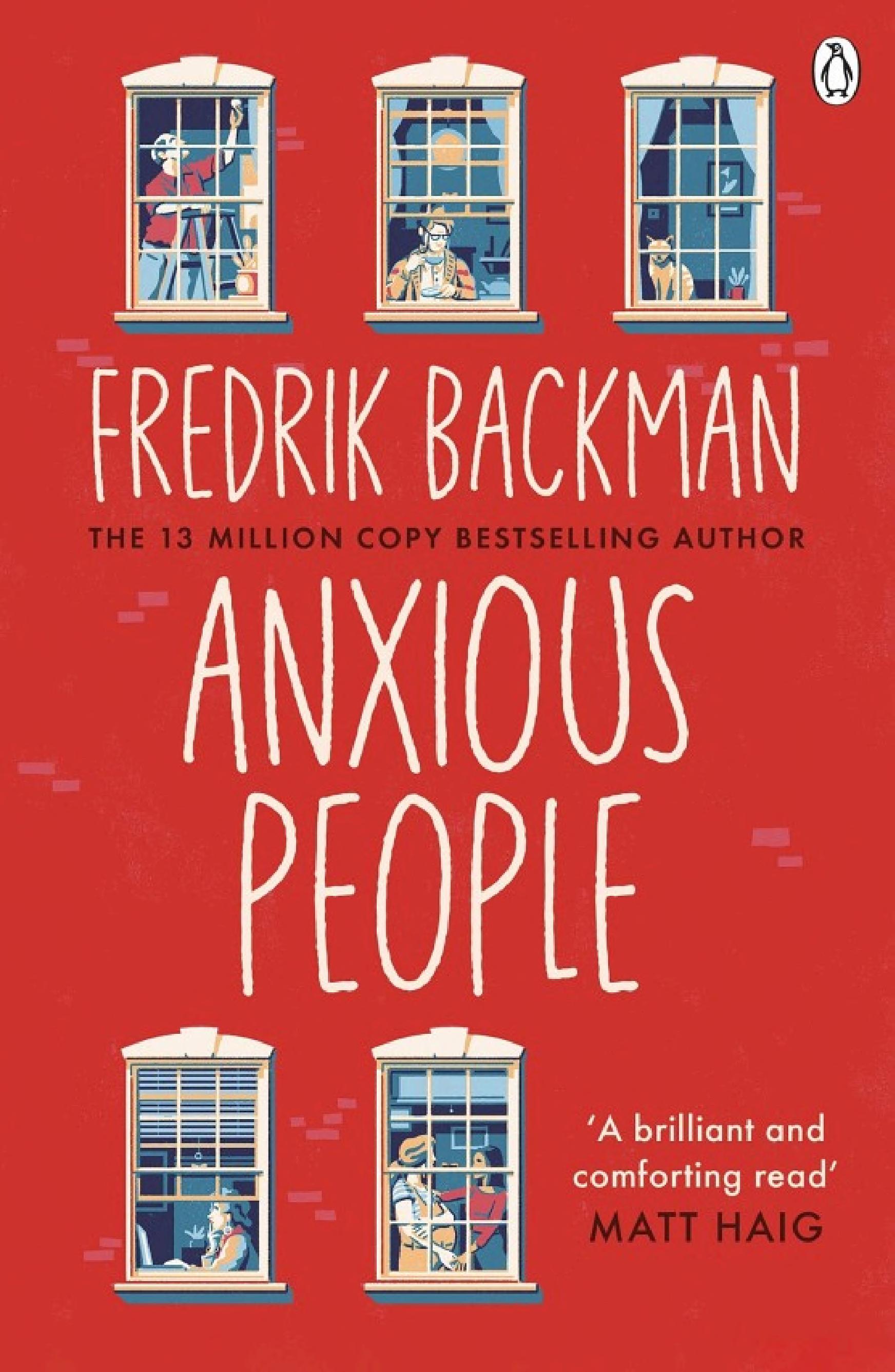
Q: What books are good for mental health like The Midnight Library? A: The Midnight Library, A Man Called Ove, and Anxious People are all books that take depression and anxiety seriously as subjects before arriving at something hopeful. Eleanor Oliphant Is Completely Fine operates in the same emotional register with more comedy. All four earn their warmth rather than manufacturing it.
Q: Is The Midnight Library fantasy or fiction? A: Both. It uses a fantasy premise — the library between life and death — to make an argument that is entirely about the real world. It is best understood as contemporary fiction that uses fantasy mechanics, similar to what Haig does in Reasons to Stay Alive and Notes on a Nervous Planet with nonfiction mechanics.
Not sure which of these is right for you specifically? The Pagesmith quiz matches you to books based on your mood, pacing preference, and reading goals — not bestseller lists. Takes two minutes.