The Remains of the Day is one of the most formally precise novels in English, and the precision is entirely in what it withholds. Stevens does not conceal his feelings from the reader through dramatic irony or unreliability in the conventional sense; he conceals them from himself, with genuine conviction, through a framework of professional dignity that he has constructed so thoroughly that he can no longer distinguish between the framework and the person inside it. The reader perceives the gap between Stevens’s account and the reality it is managing long before Stevens approaches that understanding himself, and Ishiguro times the approach and retreat with surgical precision. The books here share that formal method: narrators whose self-presentations contain more than they acknowledge, in prose that achieves its effects through restraint rather than expression. They are all novels in which the reader does significant work alongside the text, and all of them reward that work with something that more expressive novels cannot produce.
What Restraint Achieves That Expression Cannot
The obvious emotional move — the character articulating what they feel, the novel rendering inner life directly — produces a specific kind of reader experience: the reader is told what to feel alongside the character. The restraint these novels share produces a different experience: the reader perceives what the character cannot or will not say, which means the reader’s emotional response is partly the product of their own understanding rather than the text’s delivery. That gap — between what is said and what is understood — is where these novels operate, and it produces an intimacy more unsettling than direct expression. The reader is not simply told that Stevens’s life has been organized around a self-deception; the reader watches it in real time and feels the weight of what is being lost or suppressed with more force than any direct statement could provide.
Restraint in fiction is not the absence of feeling. It is the formal argument that what cannot be said is more real than what can — and the most honest novels about certain kinds of lives demonstrate this by enacting it.
The Books




Who This Is For
Readers who finished The Remains of the Day understanding that the novel’s devastation arrives not through dramatic event but through accumulated precision — who recognized the gap between what Stevens says and what he means, and who want fiction that trusts the reader to do that work rather than stating it directly. Literary fiction readers who find most contemporary fiction over-expressive and who want the restraint to be doing real formal work rather than simply being understated. The literary fiction catalogue has more in this direction.
Frequently asked questions
Q: Why does The Remains of the Day feel so sad without anything obviously sad happening? A: Because the sadness is structural rather than eventful. Ishiguro builds the novel so that the reader perceives, across hundreds of pages, the full scope of what Stevens has suppressed and lost — the relationship with Miss Kenton, the professional loyalty to a morally compromised employer, the personal life that was never allowed to exist. No single scene delivers this; it accumulates through the gap between Stevens’s careful prose and the reality his prose is managing. The sadness is the reader’s own recognition rather than the text’s delivery.
Q: Is The Remains of the Day historical fiction? A: Partly. It is set in the 1950s with flashbacks to the 1930s, and the historical context — the prewar appeasement politics that Stevens’s employer Lord Darlington was involved in — is important to the novel’s moral argument. But it is more accurately described as psychological literary fiction that uses a historical setting than as historical fiction proper. The period shapes the conditions of Stevens’s life; the novel’s subject is what Stevens did with those conditions.
Q: How many Ishiguro novels are on this list and why? A: Three: Never Let Me Go, The Buried Giant, and The Remains of the Day itself is the anchor. Ishiguro has developed a specific and consistent formal method across his career — the narrator whose self-presentation contains more than it acknowledges — and the three novels here represent three different applications of that method. For readers who respond to The Remains of the Day’s formal quality, the other Ishiguro novels are the most reliable next step.
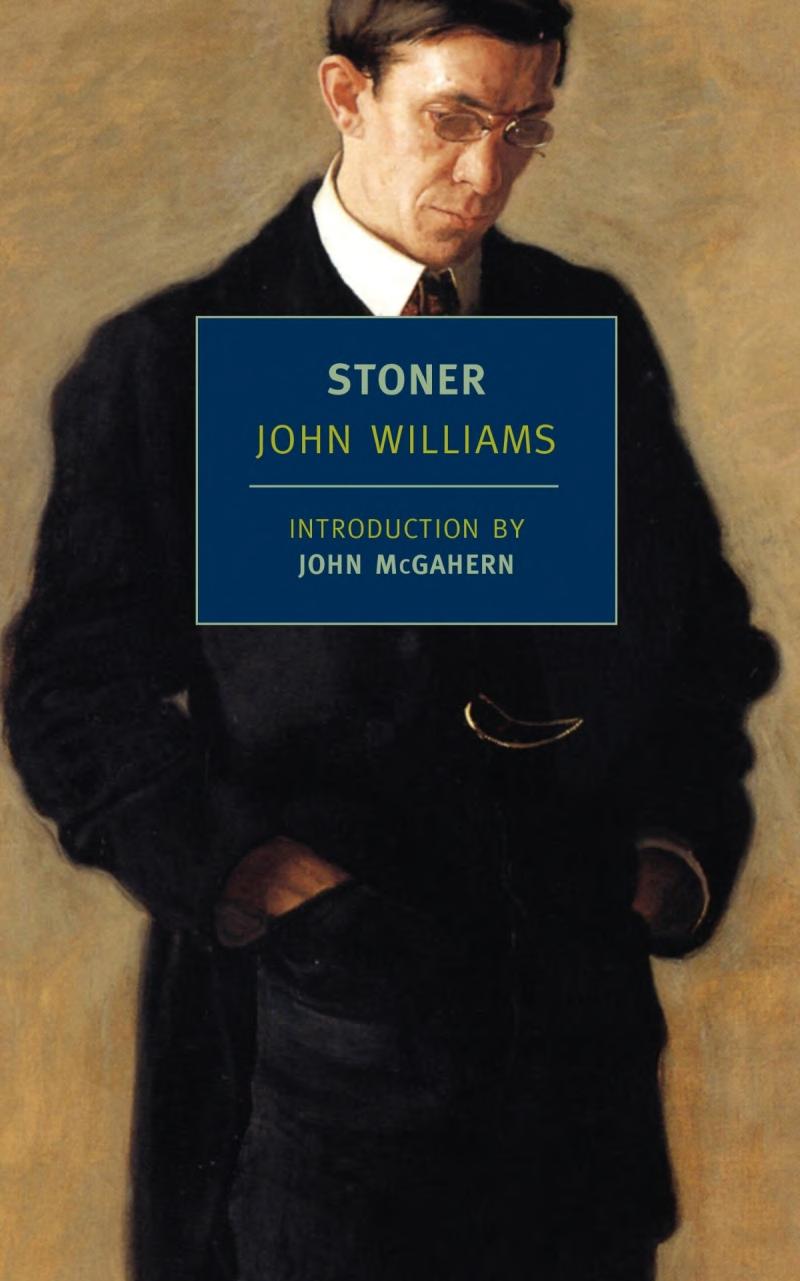
Q: What should I read after The Remains of the Day if I want the most similar reading experience? A: Stoner is the closest in prose quality and emotional register: quiet, precise, retrospective, organized around the gap between a life as lived and a life as it could have been. Norwegian Wood is the closest in tonal atmosphere. Never Let Me Go is the most formally similar in structure. All three are worth reading before moving to the rest of the list.
Not sure which of these is right for you specifically? The Pagesmith quiz matches you to books based on your mood, pacing preference, and reading goals, not bestseller lists. Takes two minutes.