If you’ve just finished The Road, you already know the problem: almost nothing else feels like it. McCarthy’s novel operates at a frequency most fiction doesn’t touch — not because it’s bleak, but because its bleakness is in service of something so precise and tender it’s almost unbearable. The books below share that quality. Not the apocalypse, not the stripped prose necessarily — but the feeling of a story that trusts you to sit with something heavy and doesn’t flinch.
What makes The Road so hard to follow
The Road works because of what it refuses to do. No character names. No quotation marks. No explanations. No redemption arc in any conventional sense. It earns its ending through 300 pages of relentless honesty about what love looks like when everything else is gone. Finding books that operate at that level of discipline and emotional intensity is genuinely difficult — which is why most “if you liked The Road” lists disappoint. They recommend post-apocalyptic fiction. That’s not what The Road is.
The Road isn’t a survival story. It’s a love story that uses the end of the world to strip away every distraction.
If you want the same emotional devastation
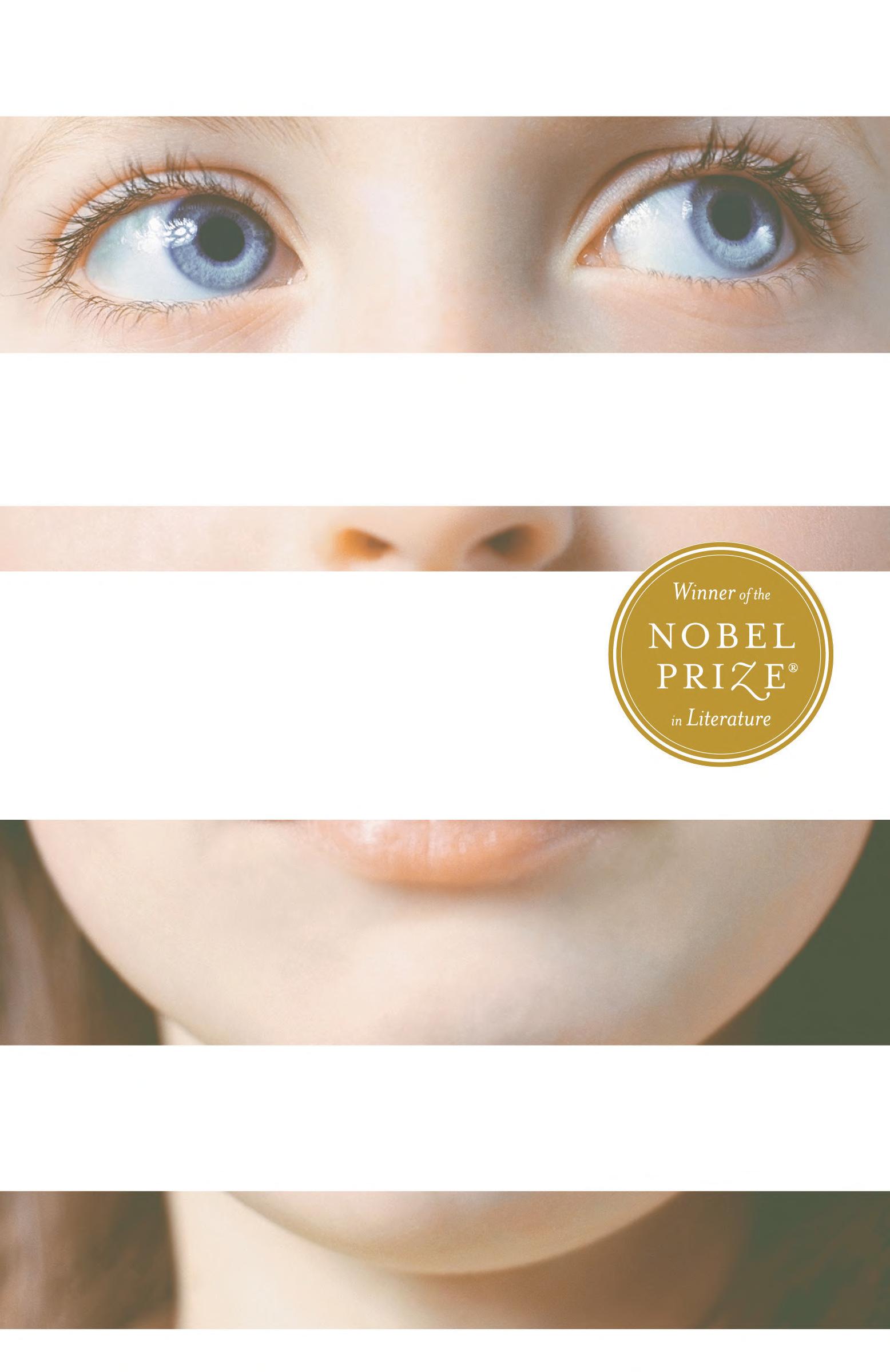
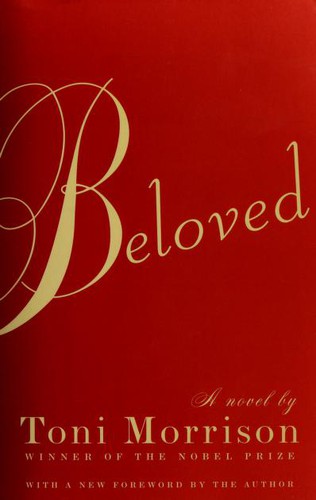
These two novels share The Road’s core quality: they use an extreme premise to illuminate something true and painful about love and loss.
If you want the same spare, demanding prose
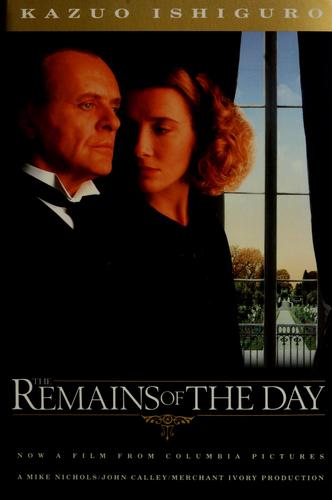
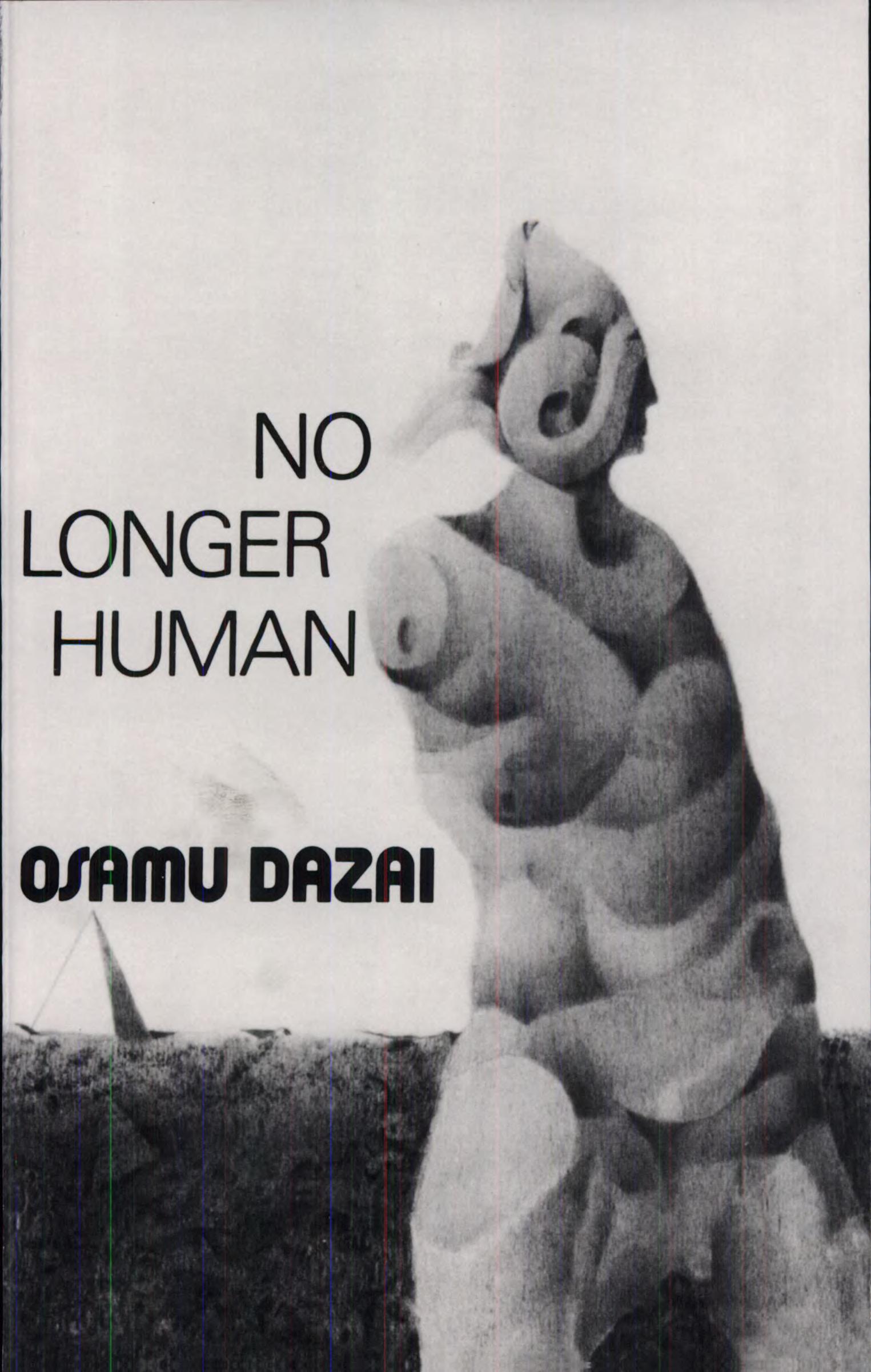
The Road’s style is inseparable from its effect. These novels use restraint the same way — every word earning its place, nothing softened.
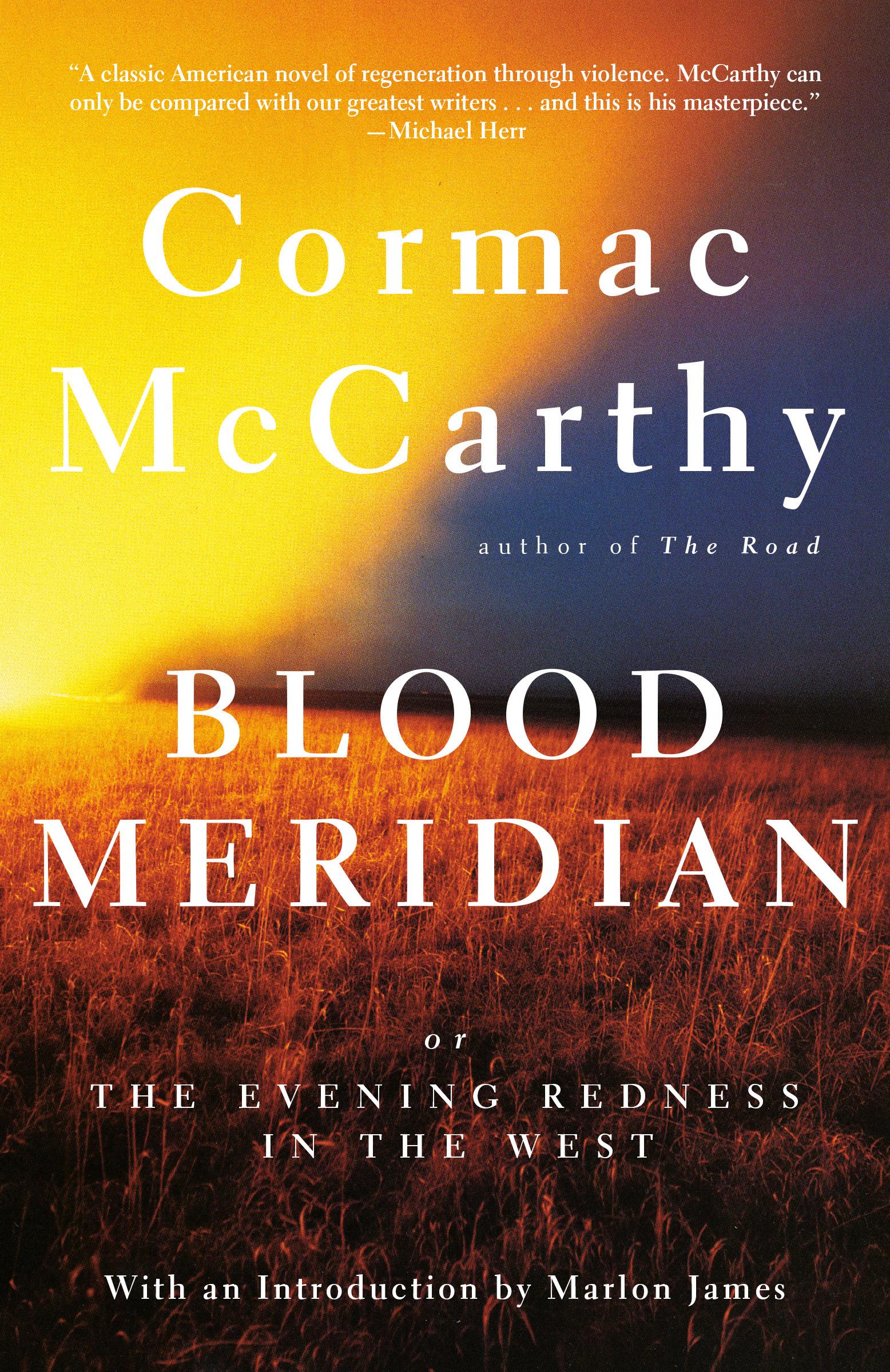
If you want McCarthy himself, but different
The most obvious answer — but the right one.
Who this is for
This list is for readers who finished The Road and felt something shift. Not readers looking for more post-apocalyptic fiction — there are plenty of lists for that. These picks are for readers who responded to the restraint, the love, the specific quality of a novel that trusts silence. If you found yourself reading slower as the book went on because you didn’t want it to end, these are your next reads. Browse the full literary fiction catalogue for more in this register.
Frequently asked questions
Q: What should I read after The Road by Cormac McCarthy? A: The closest match in terms of emotional intensity and prose restraint is Kazuo Ishiguro’s Never Let Me Go — a different premise entirely, but the same quality of devastating understatement. Beloved by Toni Morrison is the other essential recommendation, for its shared preoccupation with parental love pushed past all limits.
Q: Is Blood Meridian similar to The Road? A: Same author, same uncompromising prose, but a very different reading experience. Blood Meridian is more violent, more philosophical, and less emotionally accessible than The Road. Read it as a companion, not a replacement — it shows you what McCarthy was working toward before he stripped everything back.
Q: Are there books like The Road but more hopeful? A: Station Eleven by Emily St. John Mandel is the standard recommendation here — post-civilisation setting, but one that insists on art and beauty as survival tools. It’s more structurally complex than The Road and considerably warmer in its resolution.
Q: What genre is The Road? A: Technically post-apocalyptic literary fiction, but that categorisation is almost misleading. It reads more like a prose poem or a parable than a genre novel. Readers who love it often don’t usually read science fiction or dystopia — they respond to it as a work of literary fiction that happens to be set in the future.
Not sure which of these is right for you specifically? The Pagesmith quiz matches you to books based on your mood, pacing preference, and reading goals — not bestseller lists. Takes two minutes.