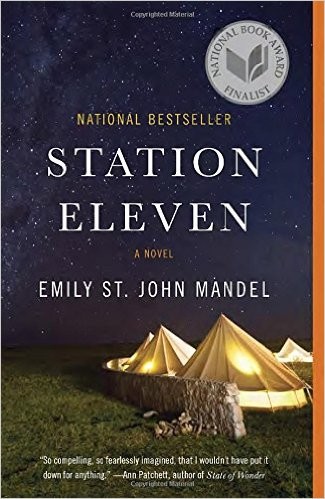
Contemporary fiction is defined primarily by what it is not: not historical, not genre, not classic. It is fiction set in the present or recent past that does not fit neatly into thriller, romance, horror, or science fiction. Within that broad category, the range is enormous — from the psychological precision of Sally Rooney to the warm social comedy of Liane Moriarty to the genre-blending ambition of Emily St. John Mandel. Understanding the distinctions within contemporary fiction is the key to finding the books that will actually reward you.
What contemporary fiction is actually doing
Contemporary fiction at its best is interested in the specific texture of how people live now — the relationships, institutions, anxieties, and possibilities that are specific to the present moment. This is different from literary fiction’s broader historical and philosophical concerns, and different from genre fiction’s plot-driven priorities.
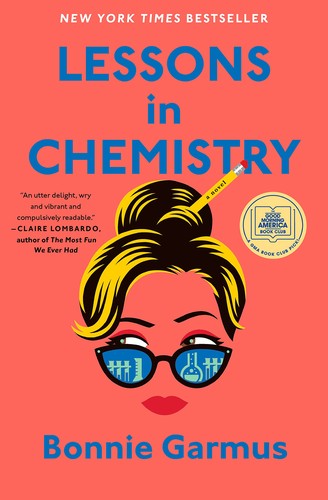
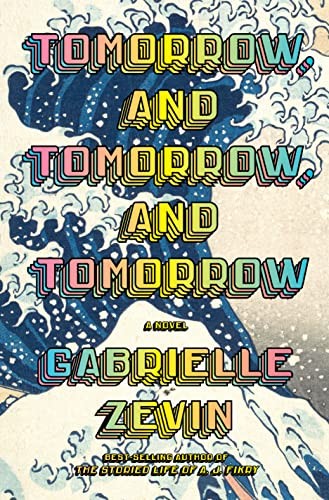
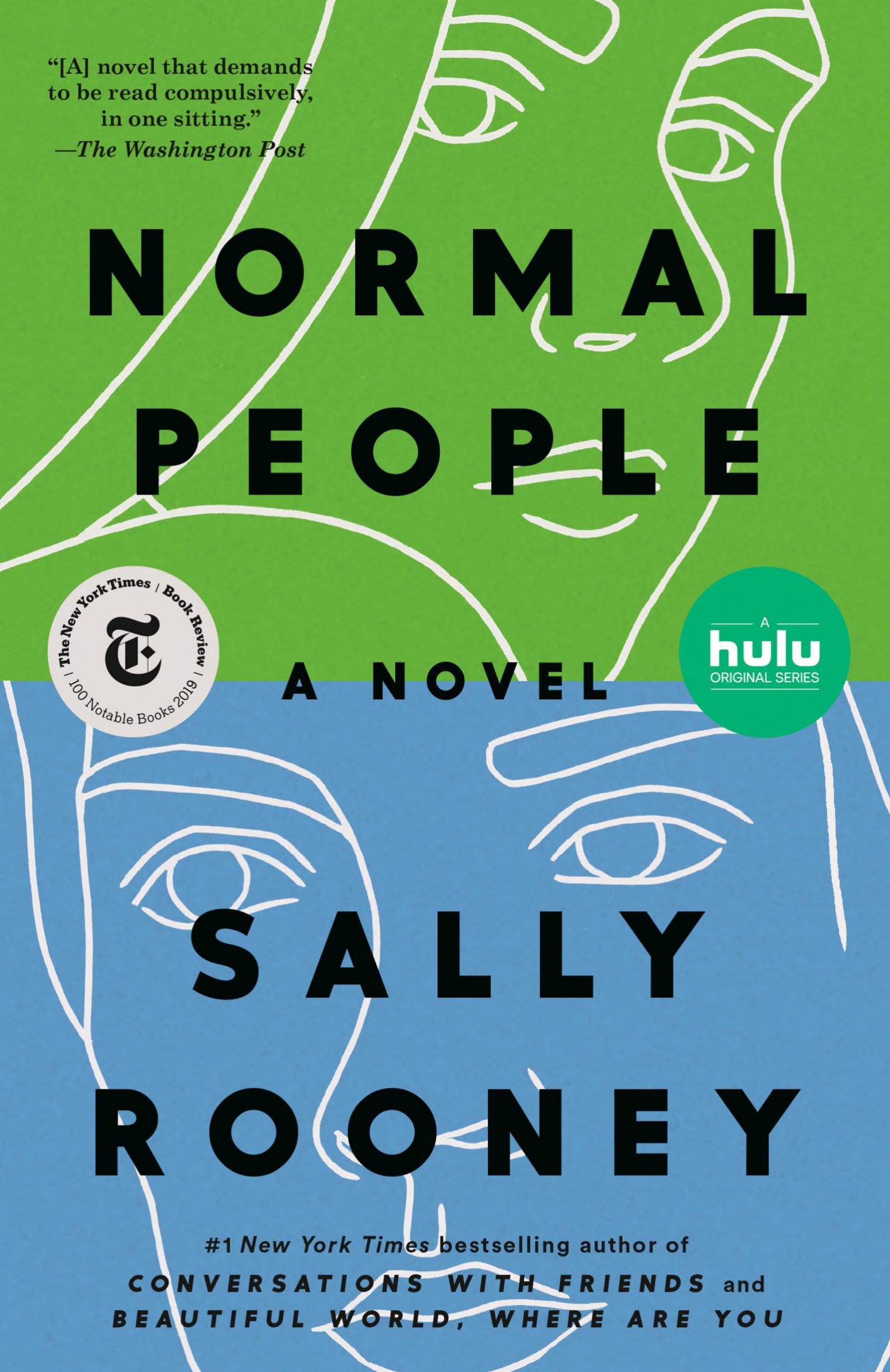
The best contemporary fiction is often character-driven rather than plot-driven: the drama comes from what characters think and feel and choose rather than from external events. This makes it closer to literary fiction in technique while remaining accessible in subject matter. The line between the two is blurry and contested, and many of the best contemporary novels — Normal People, Tomorrow and Tomorrow and Tomorrow, Lessons in Chemistry — are described as both.
Contemporary fiction at its best captures the specific texture of how people live now — relationships, anxieties, and possibilities that could not appear in fiction set in any other period. That timeliness is what distinguishes it from its nearest relatives.
Contemporary fiction at its most accessible
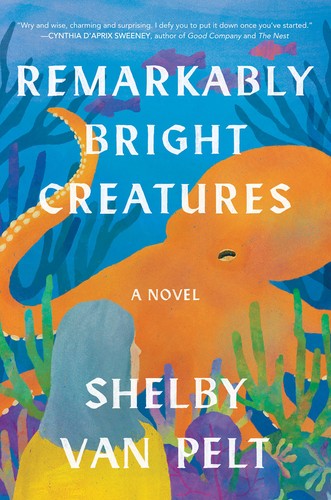
These novels demonstrate what contemporary fiction can do for readers who are not sure what to expect from the category — books that are immediately engaging and immediately rewarding without requiring prior genre familiarity.
Contemporary fiction at its most ambitious
Contemporary fiction and the social novel
Who this is for
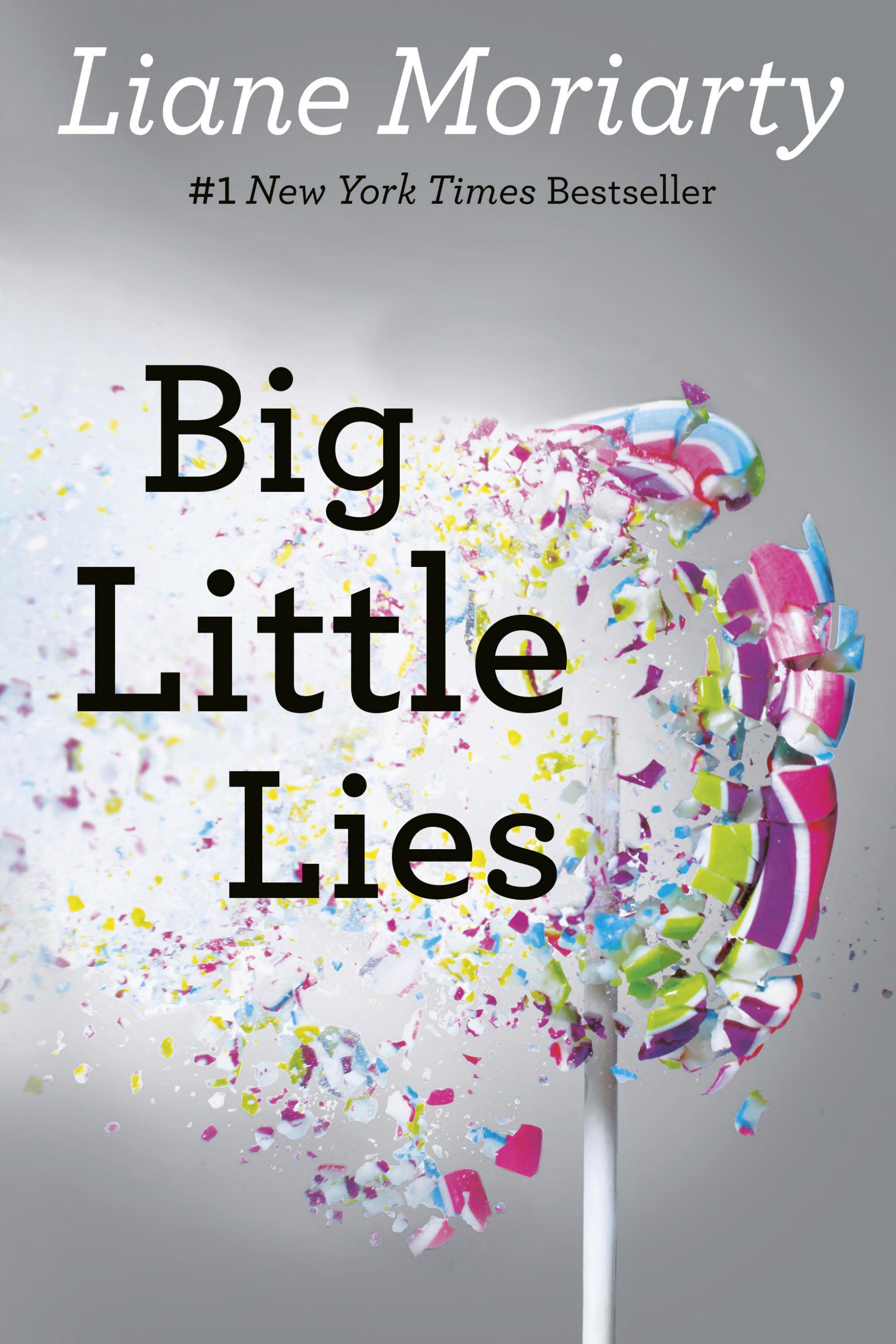
This guide is for readers who encounter the category label “contemporary fiction” and are uncertain what it means or whether it contains books they would enjoy. Start with Lessons in Chemistry or Remarkably Bright Creatures for the most immediately enjoyable. Normal People or Big Little Lies for the most character-driven. Tomorrow and Tomorrow and Tomorrow for the most ambitious. Browse the full contemporary fiction catalogue to find more by mood.
Frequently asked questions
Q: What is the difference between contemporary fiction and literary fiction? A: The categories overlap significantly. Literary fiction is defined by its relationship between form and content — the writing itself carries meaning. Contemporary fiction is defined by its setting and subject — the present or recent past. The best contemporary fiction is often also literary fiction. Normal People and Tomorrow and Tomorrow and Tomorrow are both.
Q: What contemporary fiction is the most popular right now? A: Colleen Hoover’s emotional fiction has the largest readership. Emily Henry’s romantic contemporary fiction is the fastest-growing category. Liane Moriarty and Sally Rooney have the largest critical audiences. Each represents a different kind of contemporary fiction.
Q: Is contemporary fiction just romance? A: No — romance is a separate genre with specific structural conventions including a guaranteed happy ending. Contemporary fiction can include romantic storylines without those conventions, which is why Normal People and Tomorrow and Tomorrow and Tomorrow have romantic arcs but are not categorised as romance.
Q: What contemporary fiction is worth reading for serious readers? A: Tomorrow and Tomorrow and Tomorrow by Zevin, Normal People by Rooney, and Station Eleven by Mandel are the three most critically acclaimed recent contemporary novels. All three are accessible and ambitious simultaneously, which is the combination that makes a contemporary novel worth sustained attention.
Not sure which of these is right for you specifically? The Pagesmith quiz matches you to books based on your mood, pacing preference, and reading goals — not bestseller lists. Takes two minutes.