Crime fiction is the most misunderstood genre label because it contains the most variation. Agatha Christie and Tana French both write crime novels. So do Gillian Flynn and Truman Capote and Patricia Highsmith. What they share is a structural concern — the commission, investigation, or aftermath of a crime — but beyond that structure they are doing entirely different things. Understanding those differences is the key to finding the books in the genre that will actually reward you.
The classic mystery: puzzle as the primary pleasure
In the classic mystery, the reader and detective work together to solve a puzzle. The writing is subordinate to the construction of the problem and its solution, and the satisfaction comes from the answer arriving with the quality of inevitability — every piece was there all along.
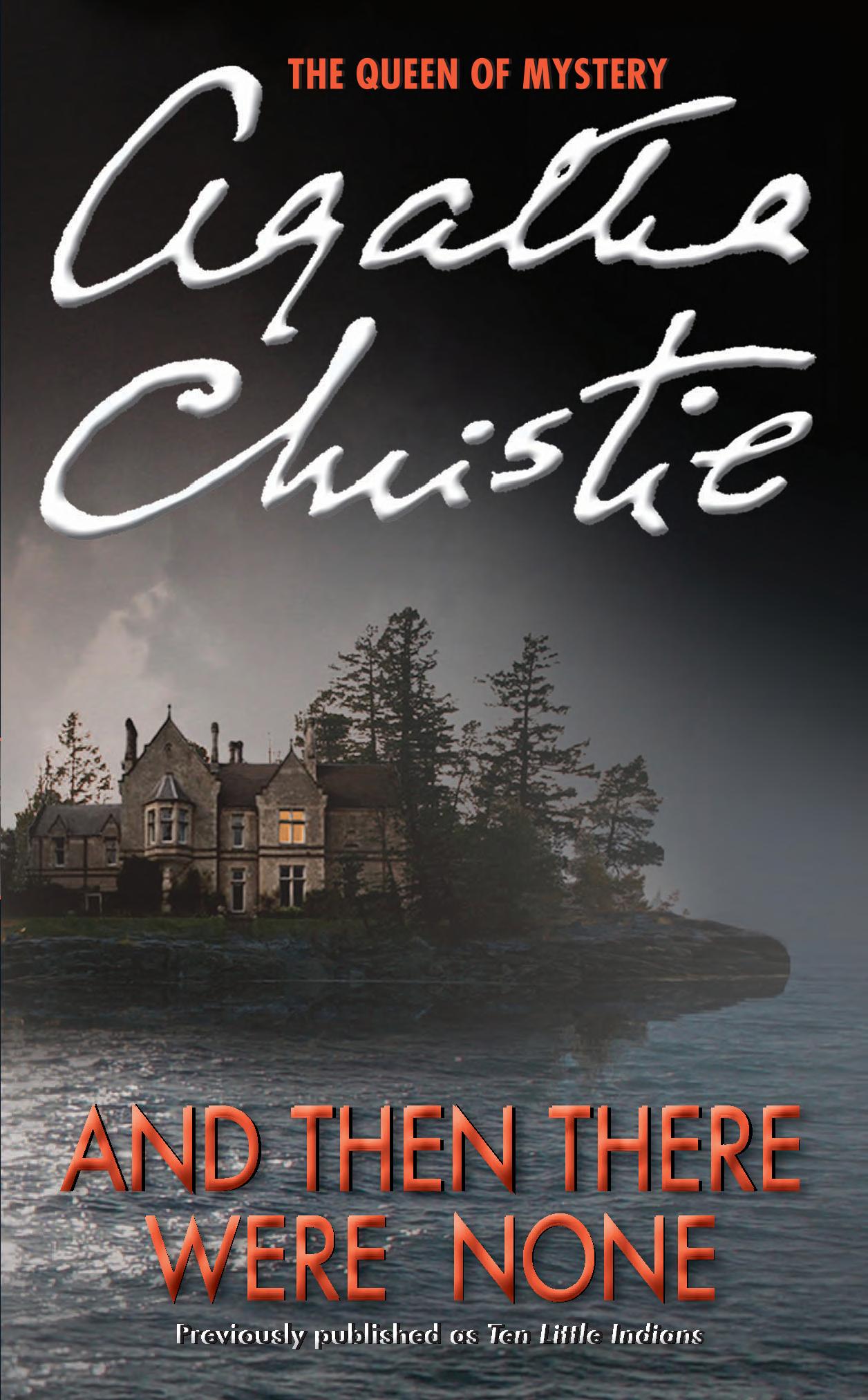
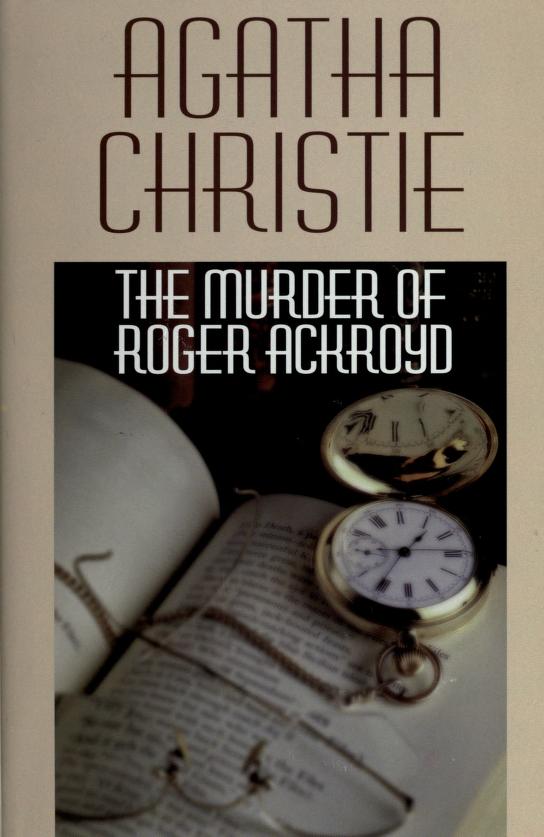
Crime fiction contains the most variation of any genre. Christie and Tana French both write crime novels, but the former is a puzzle and the latter is a character study. Understanding that distinction is everything.
The psychological thriller: tension through unreliability
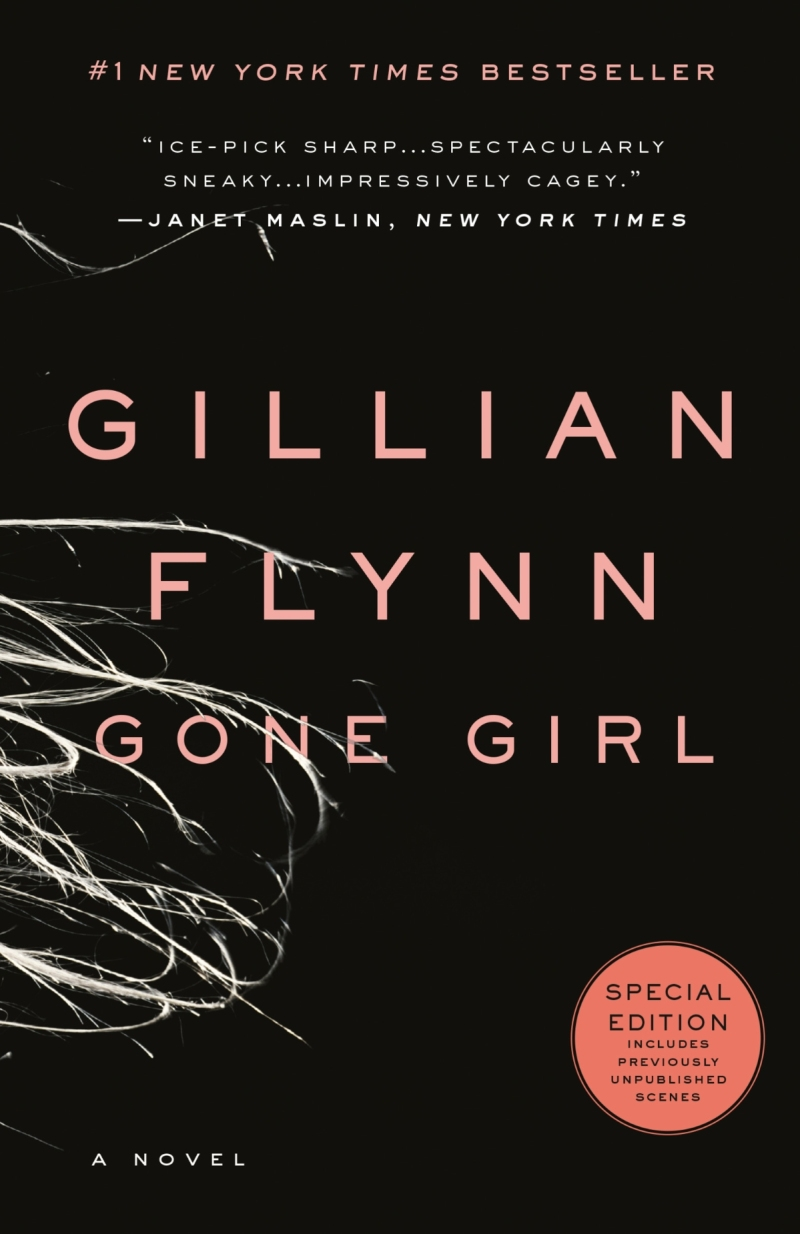
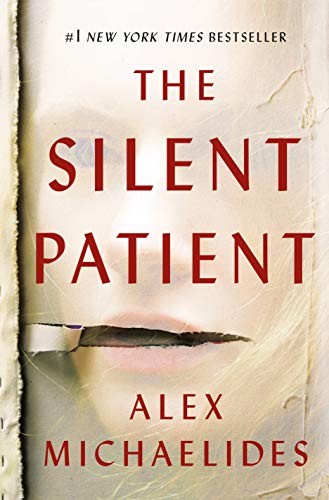
In the psychological thriller, the pleasure is not solving a puzzle but questioning what you know. The narrator or protagonist cannot be trusted, reality shifts, and the reveal restructures everything that came before it.
Literary crime: character and place as the primary subject
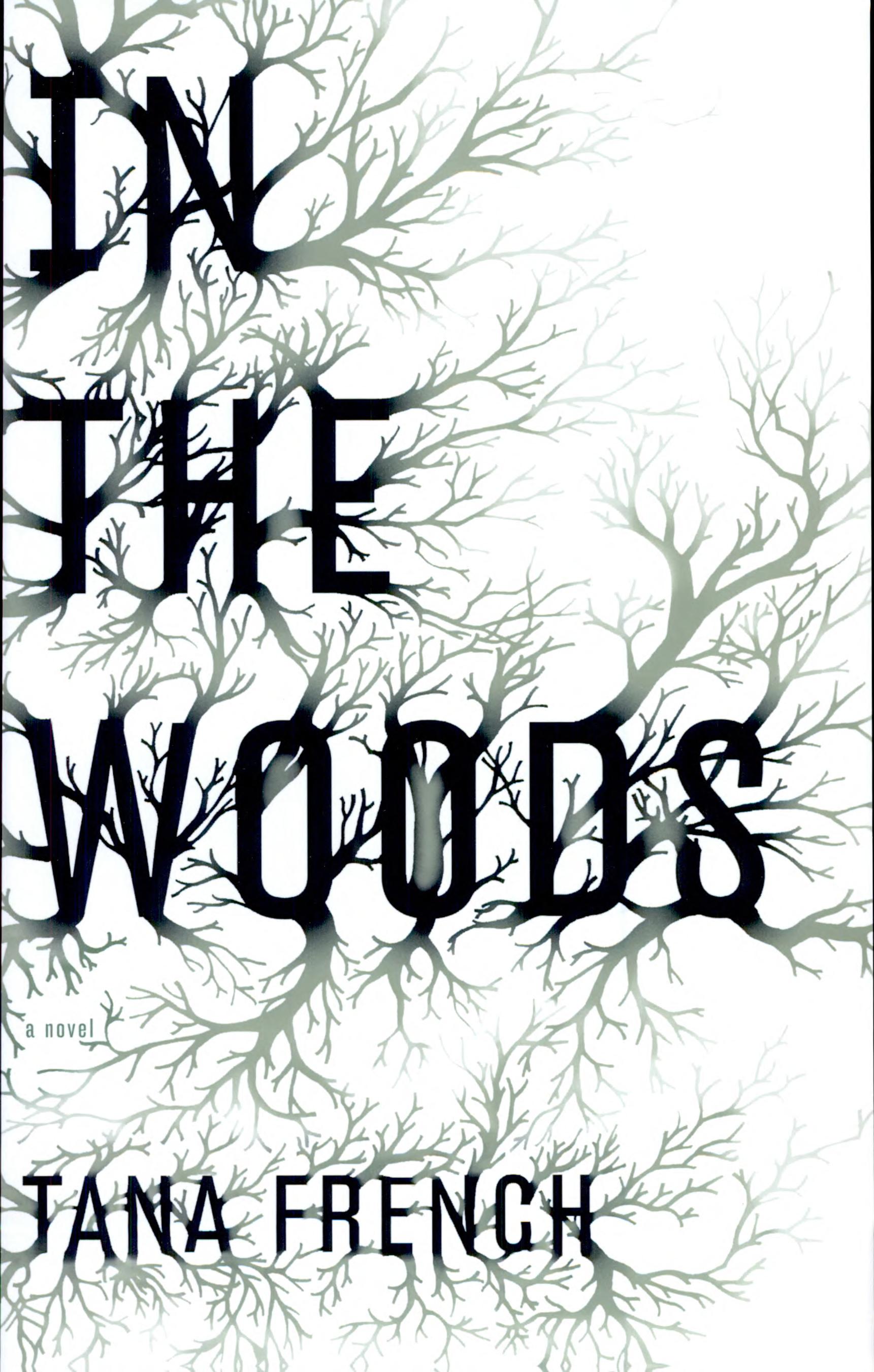
In literary crime fiction, the crime is the entry point but the investigation is really into character, community, or history. Tana French is the defining practitioner.
True crime: the real thing
Who this is for
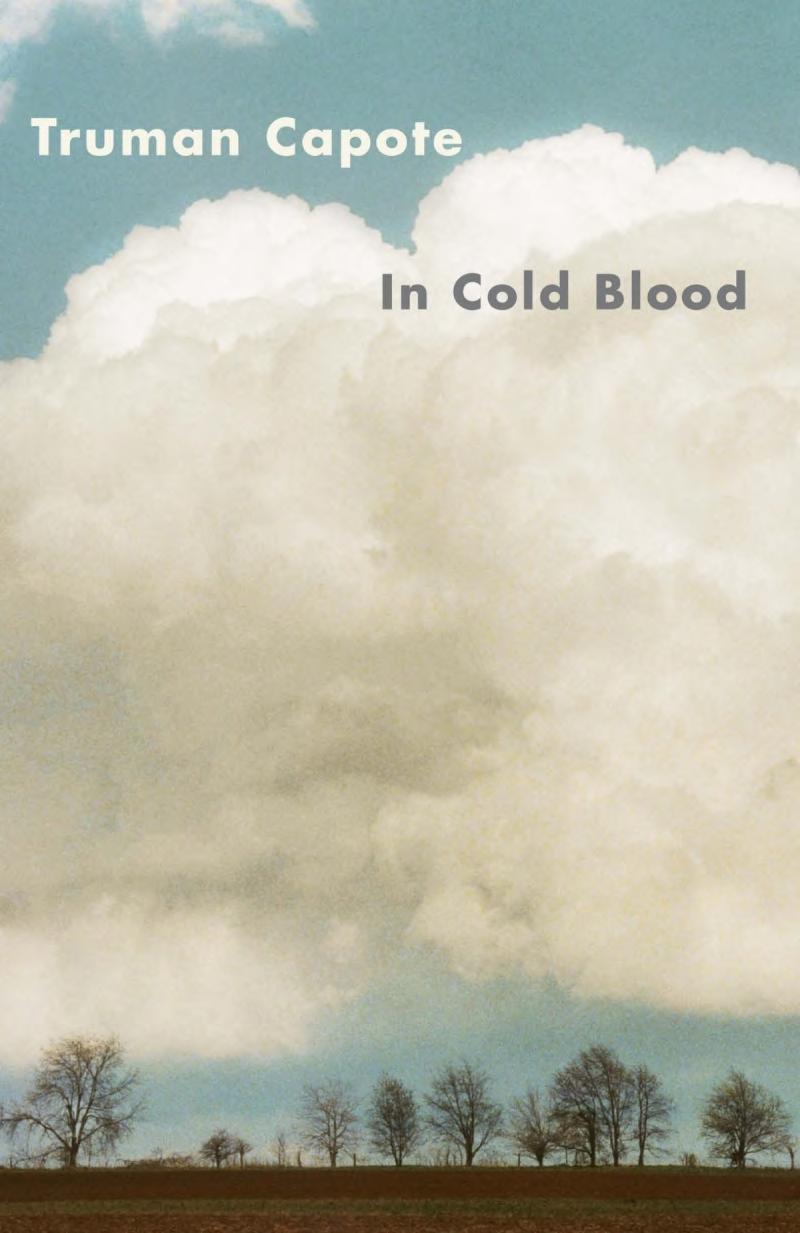
This guide is for readers who want to understand what crime fiction can do before deciding which part of it to explore. Start with And Then There Were None if you want pure puzzle satisfaction. Gone Girl or The Silent Patient if you want psychological unreliability. In the Woods if you want literary character depth. In Cold Blood if you want the nonfiction version. Browse the full thriller and mystery catalogue for more.
Frequently asked questions
Q: What is the best crime novel ever written? A: There is no single answer — it depends which subgenre you mean. And Then There Were None is the finest puzzle mystery. Gone Girl redefined the psychological thriller. In Cold Blood invented literary true crime. In the Woods is the best literary crime novel.
Q: What is the difference between a mystery and a thriller? A: Mysteries emphasise puzzle-solving — the satisfaction is intellectual, the reader and detective work together. Thrillers emphasise tension and momentum — the satisfaction is visceral, and the reader often knows more than the protagonist. In practice most crime fiction combines both, but Christie is mystery and Flynn is thriller.
Q: Where should I start with crime fiction? A: And Then There Were None by Christie for the classic mystery. The Silent Patient for the psychological thriller. The Thursday Murder Club for something warm and funny. In the Woods for literary crime. Each is an excellent starting point for its subgenre.
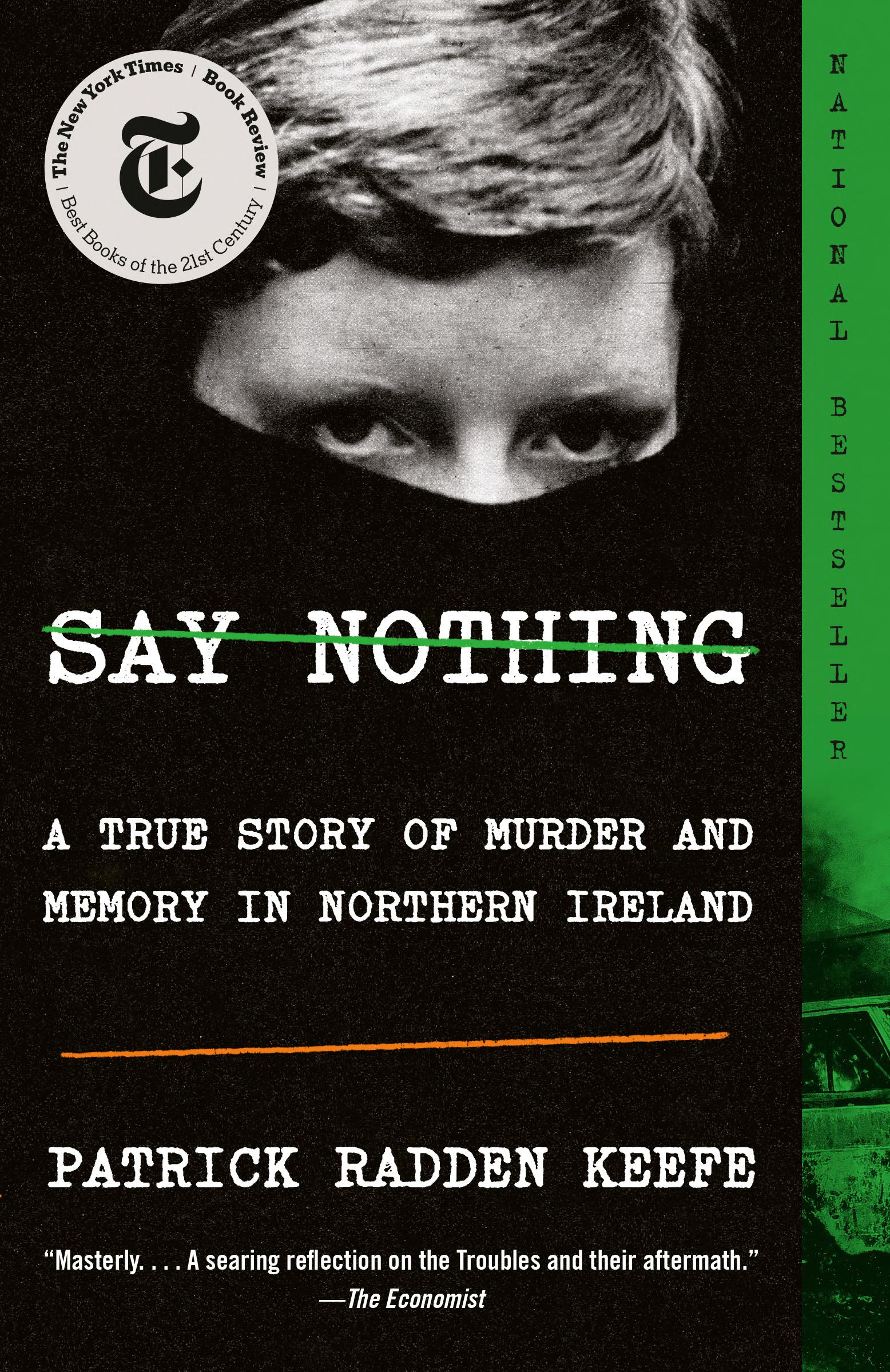
Q: Is true crime the same as crime fiction? A: No — true crime is nonfiction about real crimes, crime fiction is invented. They overlap in technique (both use scene construction, character development, narrative tension) but not in subject matter. In Cold Blood sits between them by applying fiction techniques to documented events, which is why it is still controversial.
Not sure which of these is right for you specifically? The Pagesmith quiz matches you to books based on your mood, pacing preference, and reading goals — not bestseller lists. Takes two minutes.