6 Fantasy Books for Readers Who Don't Read Fantasy
Fantasy-skeptical readers usually object to three things: worldbuilding that requires homework, magic that removes consequences, and characters who exist only to serve plot. Every book here fails to satisfy any of those objections.
May 2026 · 7 min read · The Pagesmith
Fantasy readers often recommend the genre the wrong way. They point skeptics at the most beloved books in the genre, which tend to be beloved specifically by people who already love fantasy, for reasons that require prior investment in the genre to appreciate. What a non-fantasy reader actually needs is a book that doesn’t ask them to care about magic for its own sake, that doesn’t spend chapters on invented geographies, and that earns its fantastic elements by making them do psychological or philosophical work that realism couldn’t accomplish as cleanly. The books on this list work as fantasy because the fantastical element is structural, not decorative. They are not gateway drugs. They are the genre at its most intelligent, and they happen to be accessible as a consequence.
Why Most Fantasy Recommendations Fail Non-Readers
The objection most non-fantasy readers have is not actually to magic or invented worlds. It is to a specific use of those things: magic that operates as a shortcut around consequences, worldbuilding that is more interested in its own elaboration than in what it reveals about the characters living inside it, and plot that moves faster than the people it is supposed to be about. Those are legitimate objections to bad fantasy. Good fantasy does the opposite: it uses the fantastical element to compress or clarify something about human experience that realism handles more obliquely. The books here all do that. Some of them have almost nothing in common with what most people picture when they hear the word fantasy.
The question for fantasy-skeptical readers is not whether the magic is interesting. It is whether the magic earns its place, and whether the story would be less true without it.
The Picks
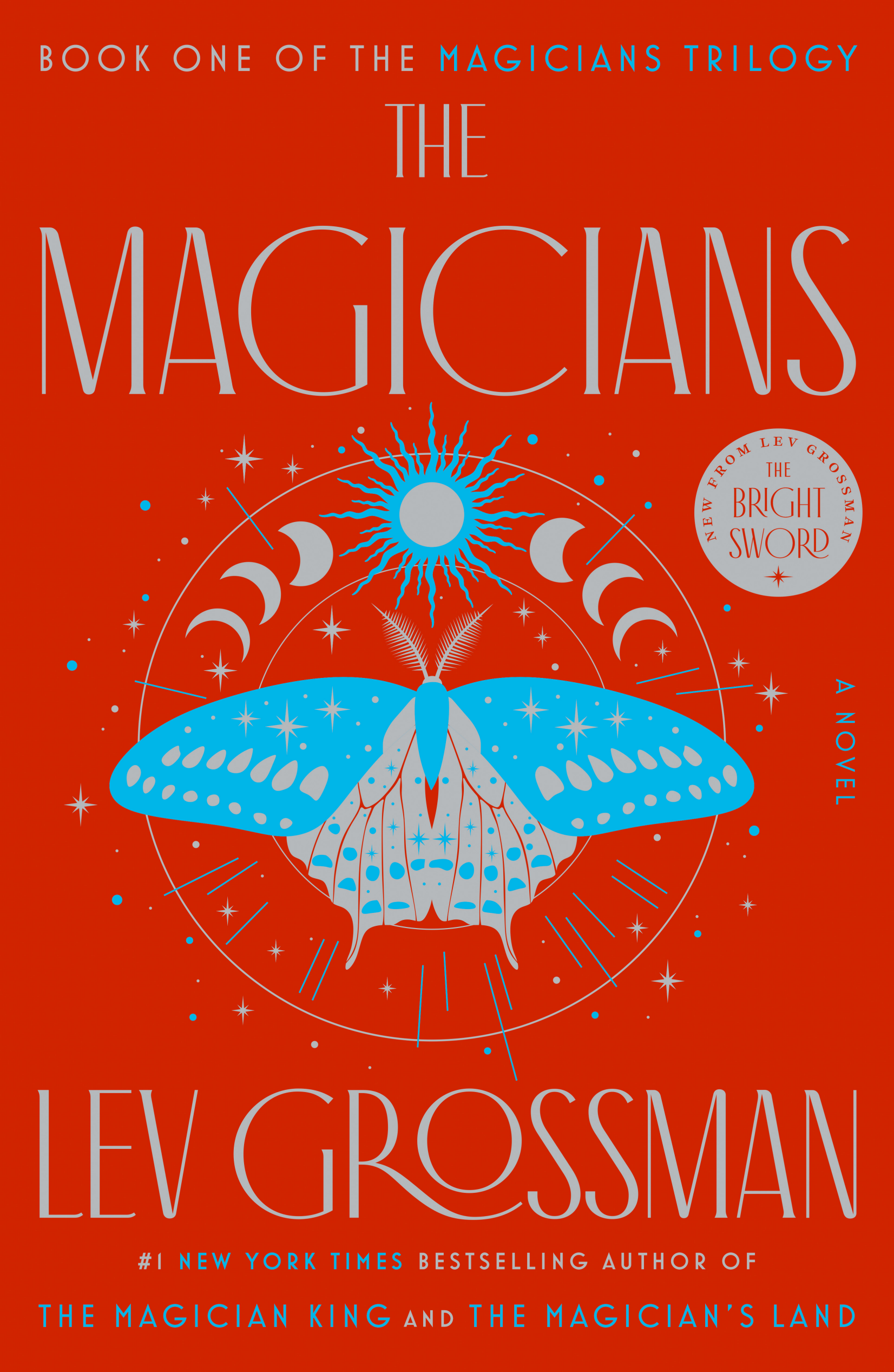
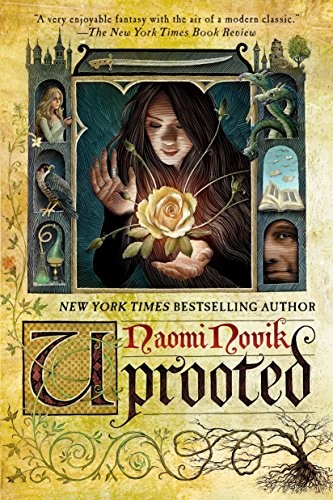
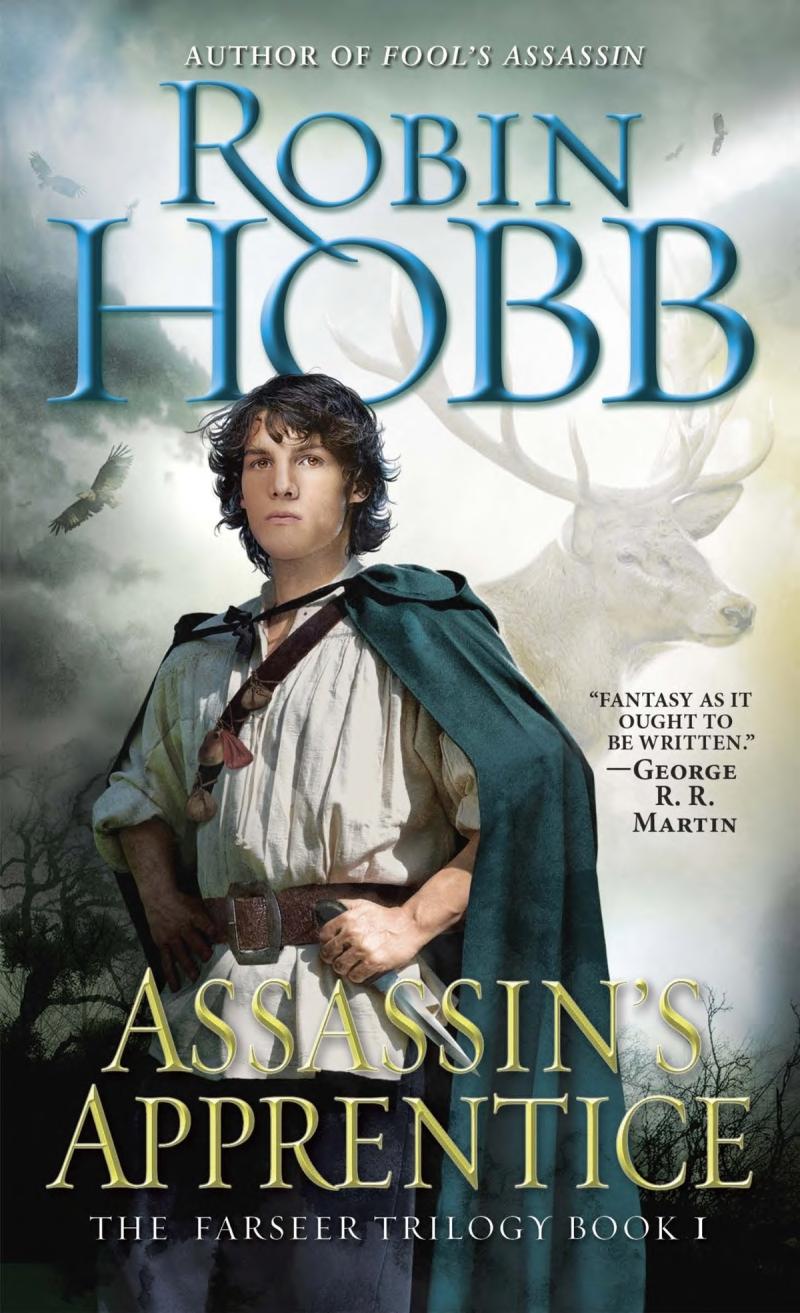
American GodsNeil GaimanThe easiest entry on this list, because for large stretches it reads as a noir road novel set in the bleak interior of the American Midwest. Shadow Moon’s journey across a country he barely recognizes is recognizably literary in its concerns: identity, displacement, what happens to belief when it is no longer needed. The fantasy element — old gods living as broken-down mortals in a country that has stopped believing in them — is a metaphor that Gaiman never allows to collapse into mere allegory. It is strange without being alienating, and readers drawn to Americana and mythology will find it immediately habitable. The MagiciansLev GrossmanThe closest the genre has come to literary fiction’s voice and preoccupations. Grossman writes Quentin Coldwater as a character who has read all the same fantasy novels you have and is therefore not saved by getting into magic school. The novel’s argument — that the thing you escape to is still a place where you are yourself — is a literary argument delivered through fantasy mechanics. Its debt to Narnia is intellectual rather than structural. Readers who found Harry Potter too consequence-free will find this considerably more honest about what magic actually costs. UprootedNaomi NovikNovik draws on Polish folklore for a corrupting forest and a wizard who has been fighting it alone for a century, and then centers the novel not on the wizard but on a clumsy, stubborn girl whose magic doesn’t work the way any textbook says it should. The fairy-tale logic is clean enough that there is no homework required, but the psychological precision underneath it, Agnieszka’s growing awareness of her own capabilities, her complicated relationship with a teacher who underestimates her, is the kind of character work that fantasy is often accused of neglecting. The romance is earned; the Wood is genuinely frightening. Small GodsTerry PratchettPratchett’s most celebrated standalone Discworld novel is a philosophical novel that happens to use fantasy’s machinery. The premise — a great god reduced to a tortoise because his church has stopped believing in him — is a setup for a sustained and serious argument about institutional religion, the nature of faith, and the difference between belief and obedience. The humour is not decorative. It is how the argument is made, which means readers who come expecting comic fantasy will get philosophy, and readers who expect philosophy will get comedy, and both will get more than they bargained for. Closest comparison: more accessible Umberto Eco. The Goblin EmperorKatherine AddisonRare in fantasy: the protagonist’s fundamental decency is the dramatic engine rather than a handicap he has to overcome. Maia, half-goblin and entirely unexpected as emperor, must learn to rule without becoming what he hates, and his small daily acts of kindness and refusal are genuinely moving in the way that only competence and goodness portrayed with precision can be. There is no homework. The world-building is absorbed through character rather than explained. For readers burned by fantasy’s tendency toward cynical antiheroes, this is the corrective. Assassin’s ApprenticeRobin HobbHobb writes character psychology at a depth that most literary fiction does not achieve, which is an unusual thing to say about a fantasy novel involving a royal bastard trained in the killing arts. FitzChivalry Farseer’s relationships, with his mentor, with the king who cannot publicly claim him, with the bond-animal who knows him better than any human does, are completely real. The magic is secondary to the social architecture: a court where illegitimacy is both a liability and a strange kind of freedom. Readers who need character as the primary driver will find this more satisfying than almost anything in the genre. Who This Is For
Literary fiction readers who have been told repeatedly that they would love fantasy if they just tried the right book, and who have tried the right book and found it underwhelming. These six are not representative of the genre as a whole. They are the genre operating at a specific register, closer to character study and philosophical fiction than to adventure, and they require the kind of patience that readers of serious literary fiction already have. Browse the full fantasy catalogue to find other directions, including political epic, grimdark, and fairy-tale retellings.
Frequently Asked Questions
Q: What fantasy book is most similar to literary fiction?
A: The Magicians by Lev Grossman comes closest. It uses a magic-school premise to make a sustained argument about escapism, depression, and the gap between what we imagine will save us and what actually does. The voice is literary fiction; the architecture is fantasy.
Q: Can I read these fantasy books without reading the sequels?
A: American Gods, Small Gods, Uprooted, and The Goblin Emperor are complete as standalones. The Magicians and Assassin’s Apprentice are the first books in series. Both work as standalone novels, though both reward continuation.
Q: Is fantasy worth reading if you mostly read nonfiction?
A: The books on this list handle ideas with the same seriousness that good nonfiction does. Small Gods is one of the more rigorous arguments about institutional religion published in any form. Assassin’s Apprentice addresses power, loyalty, and illegitimacy with the kind of precision a history would. The fictional frame is not a simplification.
Q: What fantasy book has the least amount of worldbuilding to absorb?
A: The Goblin Emperor is the most immediately accessible. The world-building is absorbed through daily detail and character interaction rather than explained, which means you are never asked to pause the story to receive information. American Gods is a close second, since the American landscape is familiar even when its mythology is not.
Not sure which of these is the right fit for you specifically? The Pagesmith quiz matches you to books based on your mood, pacing preference, and reading goals, not bestseller lists. Takes two minutes.