Literary fiction is the most misunderstood category label in publishing. It is not a synonym for difficult, slow, or pretentious. It is a description of fiction where the quality of the writing is itself the subject — where the way something is said is inseparable from what is being said, and where the reader’s attention to language is rewarded in ways that plot-driven fiction does not require. Understanding what literary fiction is actually doing is the key to finding the books in it that will genuinely reward you.
What literary fiction actually is
The defining quality of literary fiction is not subject matter, length, or difficulty. It is the relationship between form and content. In genre fiction, the writing is a vehicle for delivering the story — it should be clear, efficient, and unobtrusive. In literary fiction, the writing is part of the meaning — the specific words chosen, the rhythm of the sentences, the structure of the chapters, all contribute to what the book is saying in ways that cannot be separated from the content.
This does not make literary fiction better than genre fiction. It makes it a different undertaking, suited to different purposes. A reader who reads The Silent Patient for the plot and The Remains of the Day for the language is getting exactly what each book intends to offer.
Literary fiction at its most accessible
These novels are the best starting points for readers new to the category — books that demonstrate what literary fiction can do without requiring a high tolerance for difficulty or opacity.
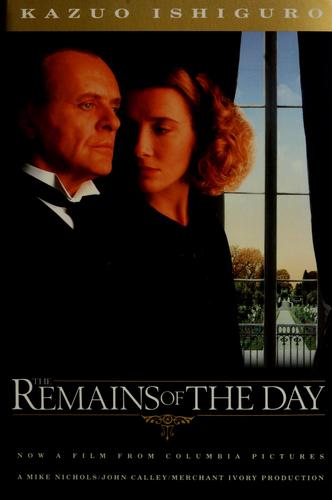
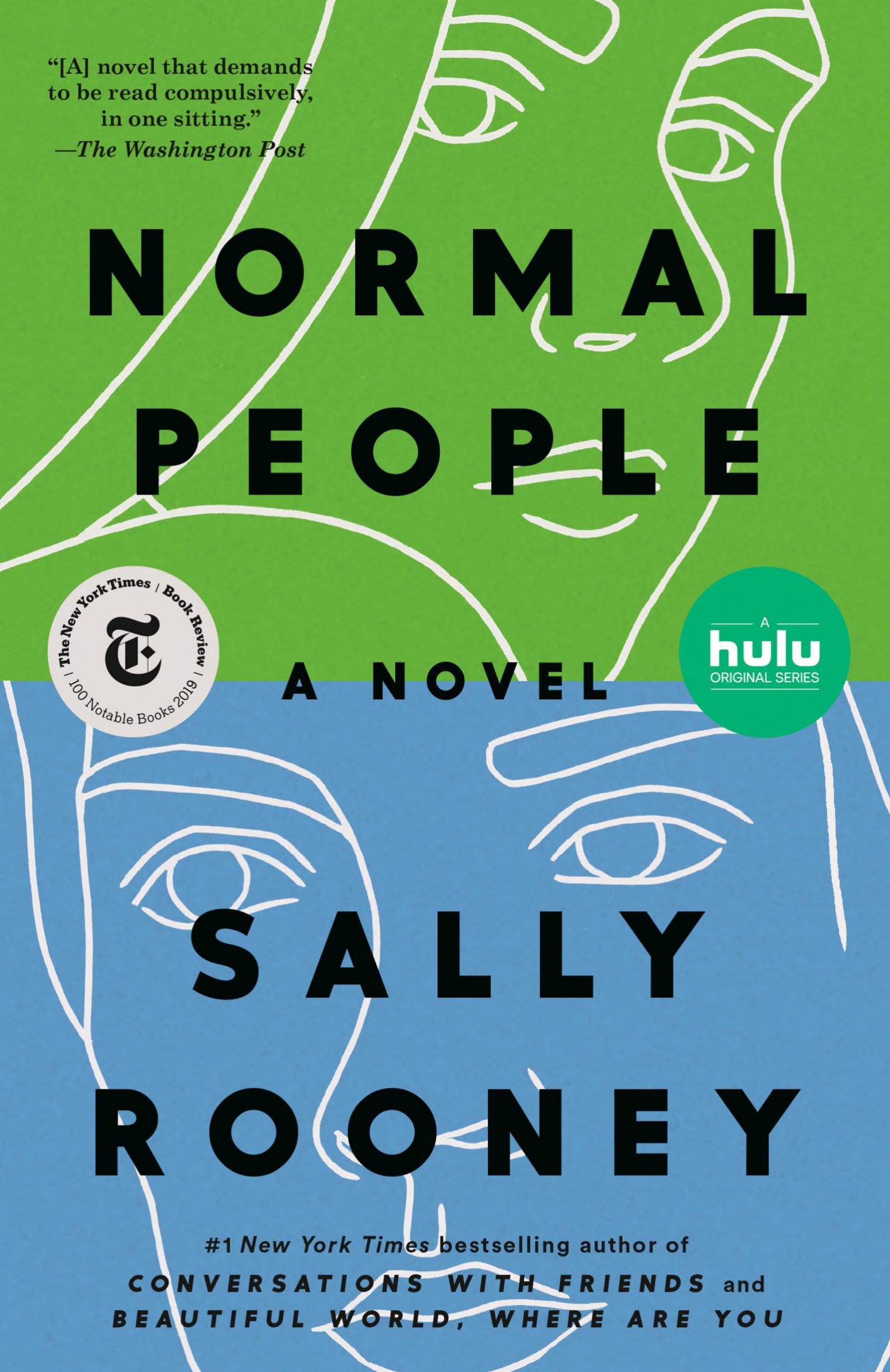
Literary fiction is not difficult fiction. It is fiction where the writing itself carries meaning — where how something is said is inseparable from what is being said. That distinction is the key to finding the books that will reward you.
Literary fiction that earns its reputation
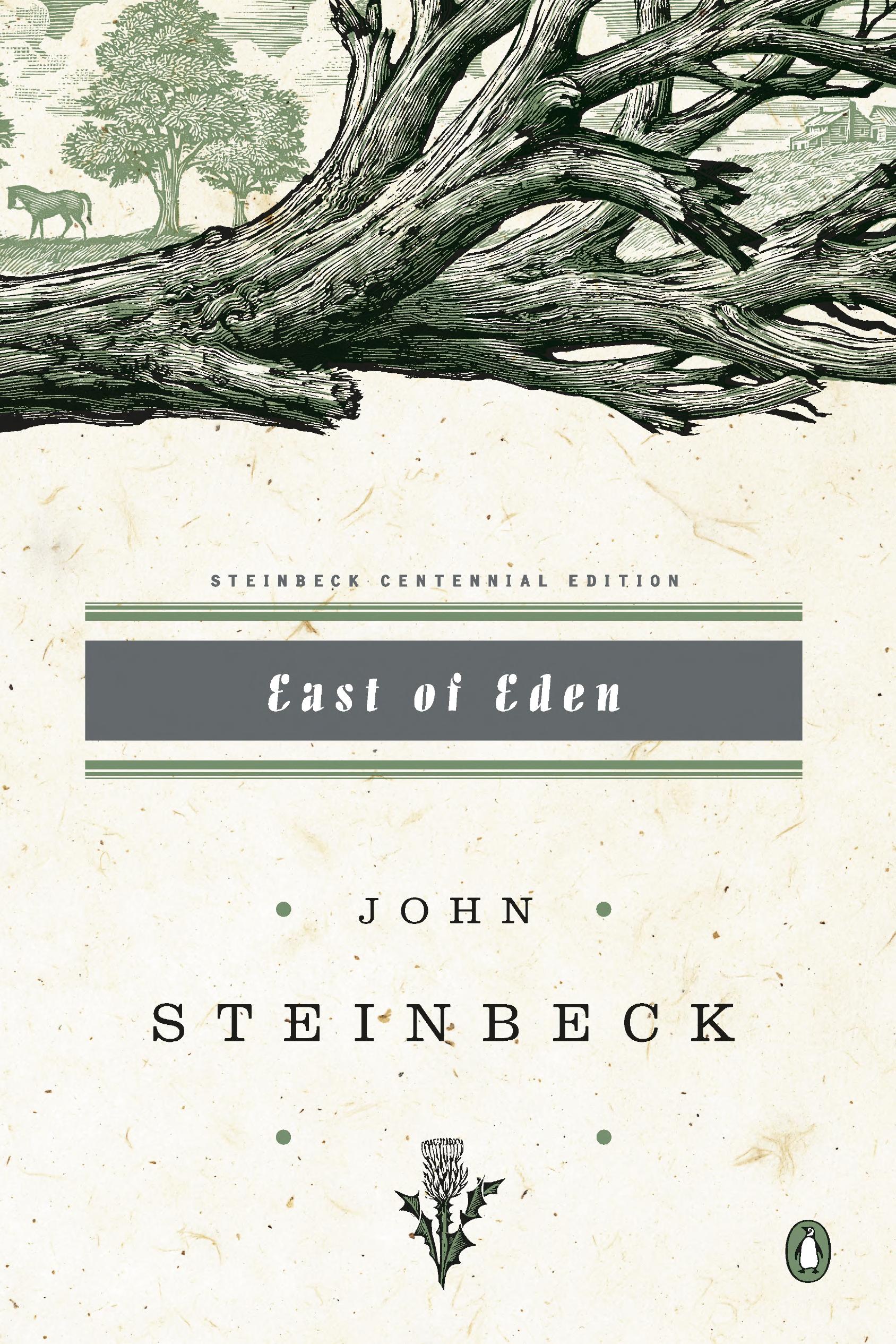
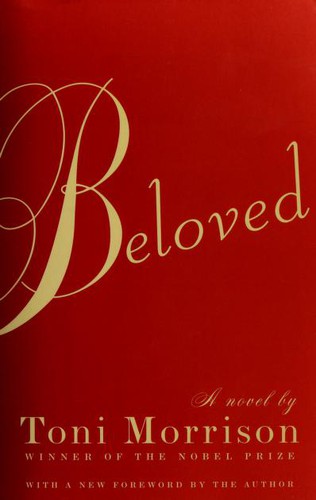
Literary fiction that moves as fast as genre fiction
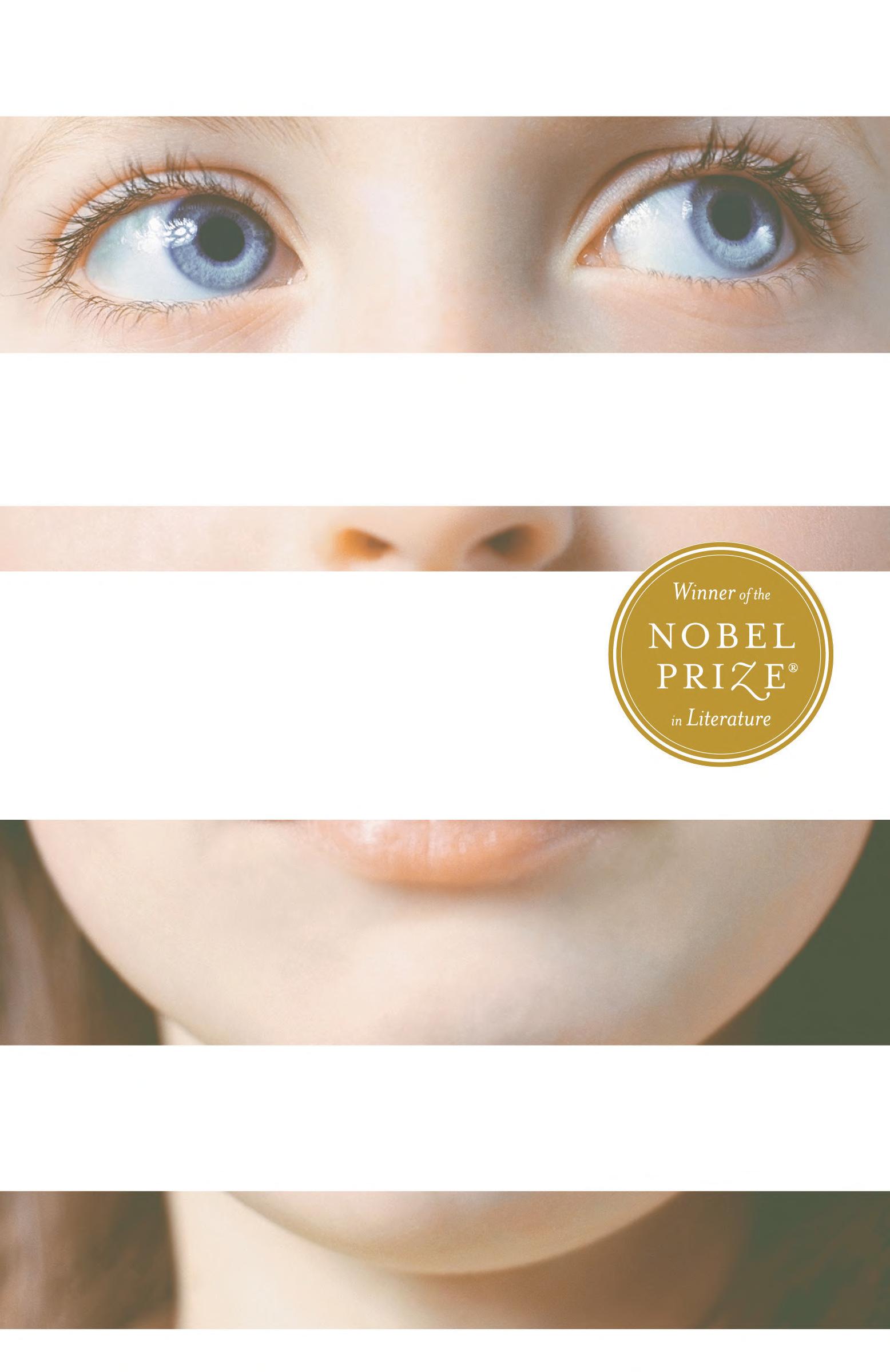
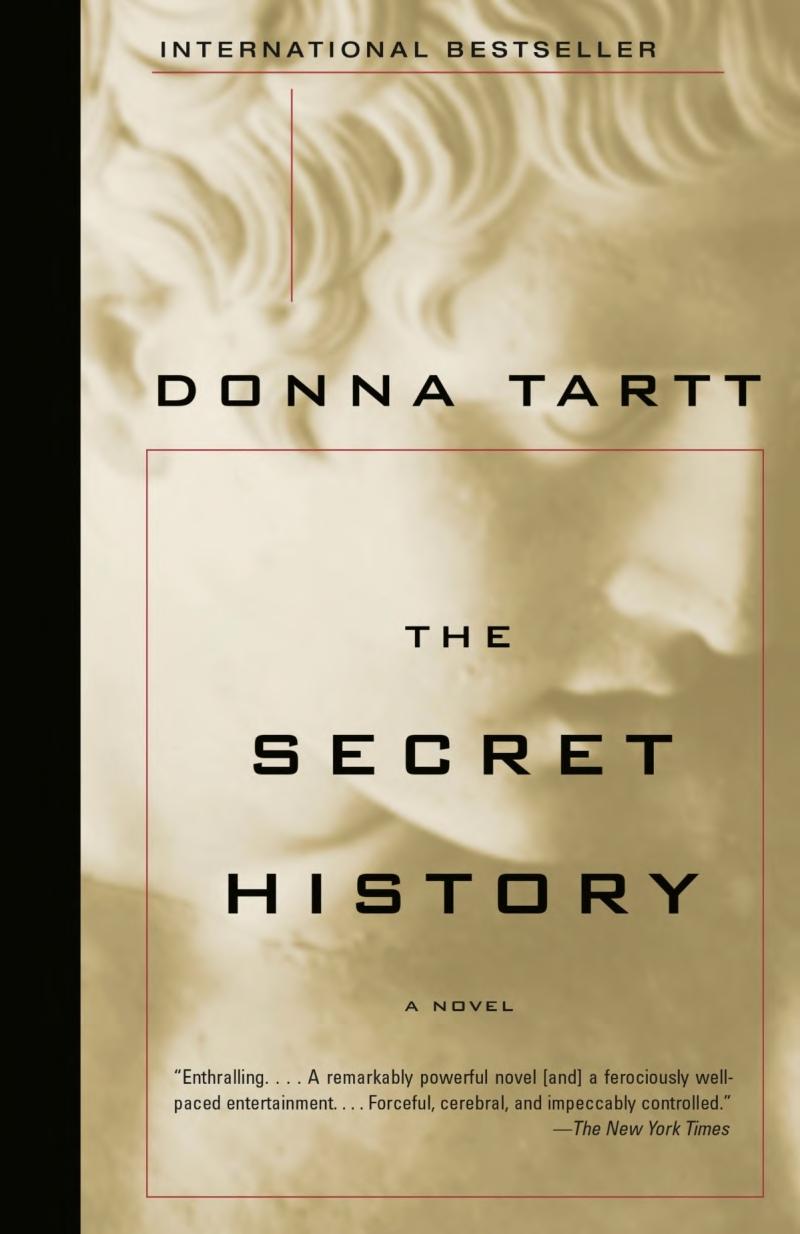
Who this is for
This guide is for readers who are curious about literary fiction but uncertain where to start or what they are supposed to get from it. Begin with Normal People or The Secret History — both are accessible and propulsive while demonstrating clearly what literary fiction is doing differently from genre fiction. Then Remains of the Day or Never Let Me Go. Then East of Eden or Beloved when you are ready for something more demanding. Browse the full literary fiction catalogue for more.
Frequently asked questions
Q: What is the difference between literary fiction and commercial fiction? A: In commercial fiction, writing is a vehicle for delivering the story as efficiently as possible. In literary fiction, the writing itself carries meaning — the style, structure, and language choices contribute to what the book says in ways that a plot summary cannot capture. Neither is better; they are suited to different reading experiences.
Q: Is literary fiction always slow? A: No — The Secret History moves at thriller pace. Never Let Me Go creates propulsive tension through withholding. Normal People is difficult to put down. What makes these literary rather than genre fiction is not their pace but their relationship to language and form.
Q: Where should I start with literary fiction? A: Normal People by Sally Rooney is the most accessible contemporary starting point. The Secret History by Donna Tartt is the most propulsive. The Remains of the Day is the best demonstration of how form and content become inseparable in the hands of a master. Start with whichever of those three sounds most appealing.
Q: What literary fiction is actually enjoyable? A: All of the books on this list are genuinely enjoyable — this is a common misconception about the category. East of Eden is one of the most purely satisfying reading experiences in the catalogue. The Secret History is addictive. A Gentleman in Moscow is warm and funny. Literary fiction rewards close attention, but close attention is itself pleasurable when the writing justifies it.
Not sure which of these is right for you specifically? The Pagesmith quiz matches you to books based on your mood, pacing preference, and reading goals — not bestseller lists. Takes two minutes.