What to Read After Lonesome Dove
Lonesome Dove works at three levels: vast landscape, deep ensemble attachment, and moral seriousness about what heroism costs. Most follow-up recommendations honor one of those levels and ignore the other two.
May 2026 · 7 min read · The Pagesmith
The problem with recommending books after Lonesome Dove is that the novel does several things at once that most books do separately. It is an epic of physical scale, covering a thousand miles of American frontier with the pace and momentum of a thriller. It is an ensemble novel that makes you genuinely grieve for characters you have known for eight hundred pages. And it is a moral novel, serious and unsentimental about what the West actually required of the people who made it, what those requirements cost them, and what their heroism was worth once the country no longer needed it. Books that satisfy readers after Lonesome Dove need to work on at least two of those levels. Pure adventure, however well executed, will feel thin. Pure character study, however deep, will feel cramped. The books here earn their place on this list because they understand that scale and intimacy are not opposites.
Why Lonesome Dove Is Hard to Follow
McMurtry’s achievement is the specific combination of forward momentum and elegy. The cattle drive is constantly moving, which gives the narrative the propulsive structure of a road novel, but the movement is also loss — of the frontier, of the era, of the men themselves. Gus McCrae’s death is the most devastating moment in Western fiction not because it is unexpected but because McMurtry has made you understand, across hundreds of pages, exactly what Woodrow Call will have to live without. That combination — momentum that is simultaneously loss — is rare. The books here find versions of it in different periods and genres, from nineteenth-century France to the end of the Roman world.
What makes Lonesome Dove irreplaceable is not the landscape or the violence. It is the quality of friendship it renders between two men who have been together so long that their differences have become the definition of each other.
The Books
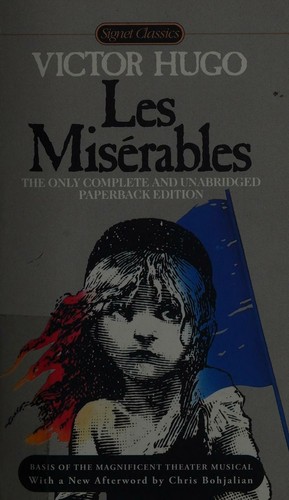
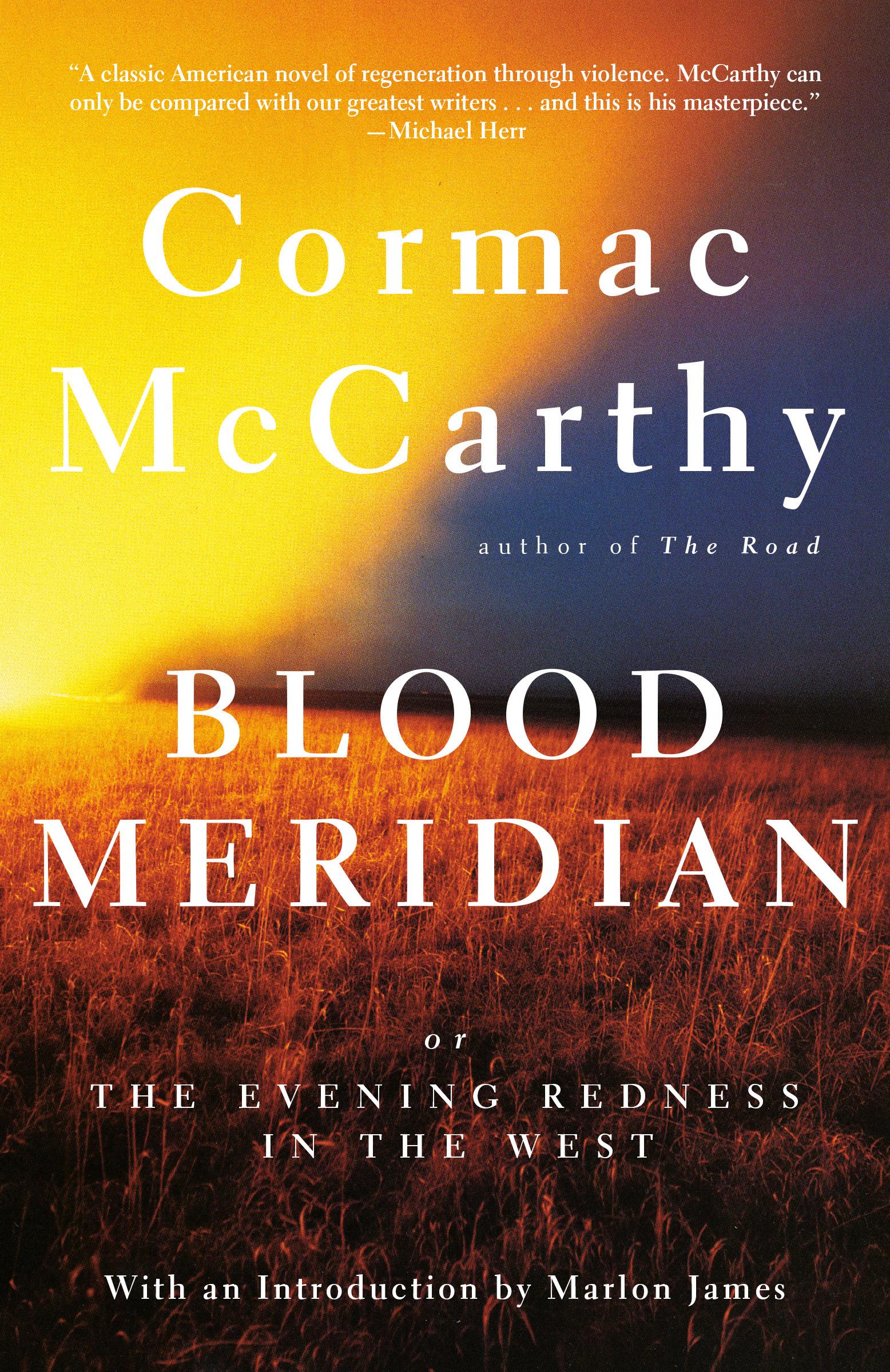
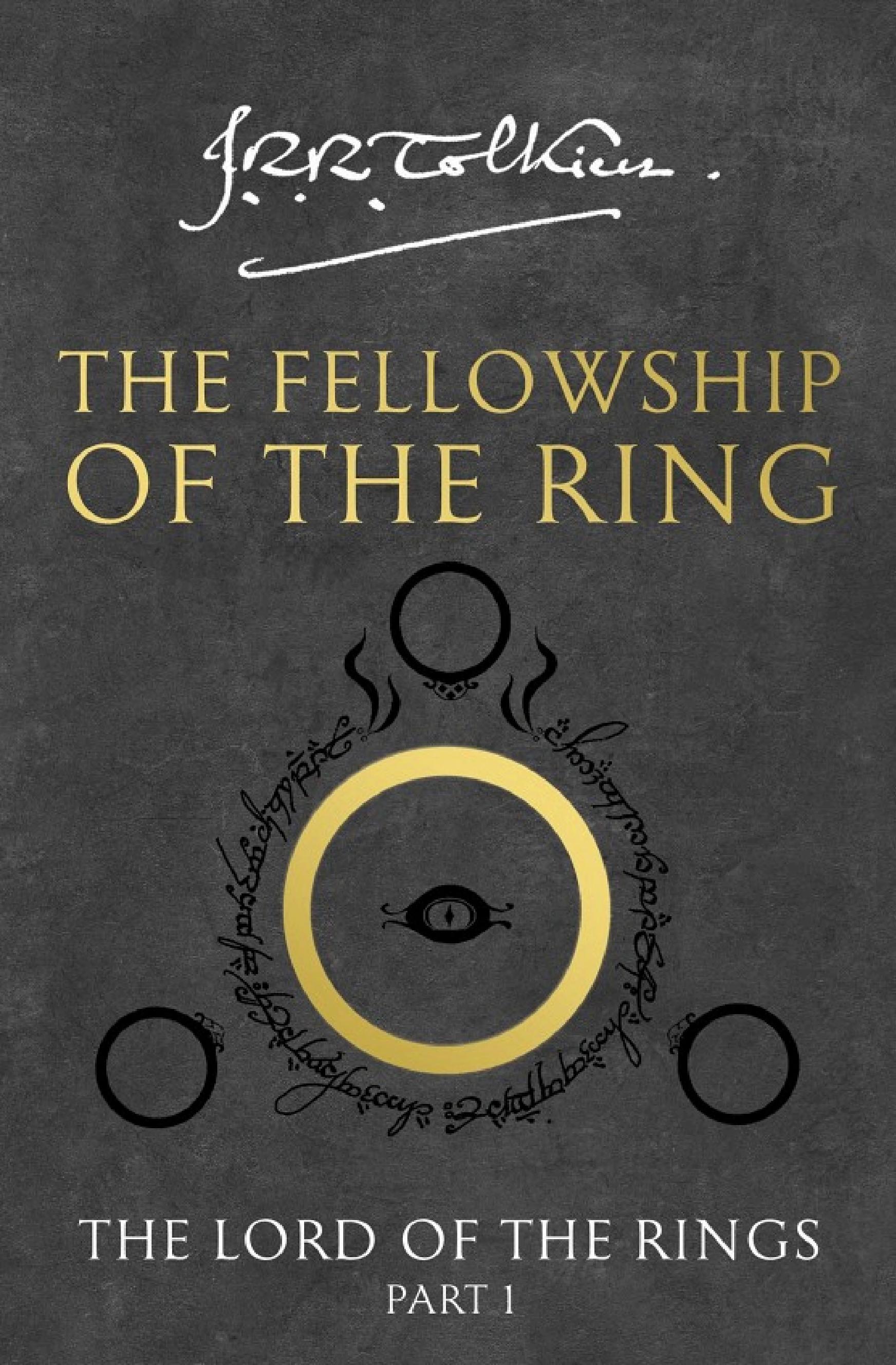
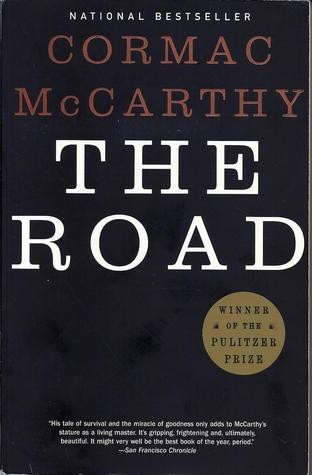
Les MiserablesVictor HugoThe closest structural equivalent to Lonesome Dove in world literature. Hugo’s novel is simultaneously a thriller, a love story, a political treatise, and a meditation on mercy and law, sustained across a cast of characters you come to know as intimately as McMurtry’s cowboys. Valjean’s decades-long pursuit by Javert has the same relentless forward momentum as the cattle drive, and the emotional payoff in the final movement is proportional to the investment Hugo has asked of you. Longer than Lonesome Dove, equally rewarding per page, and the abridged versions remove exactly the passages that make the full novel what it is. Blood MeridianCormac McCarthyThe necessary counterweight. Where McMurtry renders the West with affection and elegy, McCarthy renders it as a landscape of near-mythic violence and philosophical horror. Blood Meridian and Lonesome Dove are set in the same borderlands at roughly the same historical moment, and reading them together produces a complete picture that neither provides alone. McCarthy’s Judge Holden is the figure that Lonesome Dove’s heroism was always contending with: the argument that violence is not a means but an end, not a failure of civilization but its truest expression. A genuinely difficult book that rewards readers who have already spent time in this territory. Gone with the WindMargaret MitchellThe other great American epic novel that sustains momentum across a thousand pages, and the one that most closely shares Lonesome Dove’s elegiac relationship to a world being destroyed. The Civil War and Reconstruction do to the Old South what the end of the frontier does to McMurtry’s Texas: they close out a chapter of history and leave their survivors stranded in a world that has no use for what they were trained to be. Scarlett O’Hara is one of the most fully realized protagonists in popular literature, and the forward drive across the full novel is extraordinary. Read with awareness of its historical limitations, it remains an undeniable feat of narrative engineering. The Fellowship of the RingJ.R.R. TolkienThe ensemble of the Fellowship functions like the Hat Creek outfit: a group of individuals with incompatible personalities, united by a purpose larger than any of them, whose relationships are the emotional engine of the journey. The scale of Tolkien’s world exceeds McMurtry’s in every direction, and the sense of a history and landscape that preexist the story is unmatched in epic literature. Readers who responded to the specific texture of Lonesome Dove’s journey — the long miles, the landscape as character, the knowledge that this way of life is ending — will find Tolkien’s Middle-earth carrying a similar weight of elegy. The Once and Future KingT.H. WhiteWhite’s Arthurian retelling shares Lonesome Dove’s deepest concern: what happens to good men whose virtues are calibrated for a world that has ended or is ending, and whether the ideal they served was worth what it cost. The novel begins as a charming boy’s adventure — the young Arthur educated by Merlyn in the bodies of animals — and deepens, over several hundred pages, into one of the most profound meditations on power, failure, and love in the English language. The final section, Arthur on the eve of his last battle, is among the most quietly devastating endings in all of literature. The RoadCormac McCarthyThe counterintuitive choice, included here because it shares Lonesome Dove’s deepest structure rather than its surface. Where Lonesome Dove traces a father-figure and his friend across a landscape being domesticated, The Road traces a father and his son across a landscape being destroyed, and the love between them functions as the last ember of the world the cattle drive was building. McCarthy strips the American journey narrative to its bones and asks what it means when there is nowhere left to go. Short, devastating, and best read after rather than before Lonesome Dove, which provides everything it deconstructs. Who This Is For
Readers who spent eight hundred pages with Gus and Call and then closed the book feeling that most fiction is too small, and who want novels that justify their length by earning every page. Not readers who want another Western, necessarily, but readers who want another novel that understands epic scale as an emotional commitment rather than a marketing category. More of what this direction offers is in the historical fiction and literary fiction catalogues.
Frequently Asked Questions
Q: Is there a sequel to Lonesome Dove?
A: McMurtry wrote three companion novels: Streets of Laredo (a direct sequel following Call years later), Dead Man’s Walk (a prequel), and Comanche Moon (another prequel). Streets of Laredo is the most celebrated of the three and is considerably darker than Lonesome Dove itself. None of the companions quite reach the original, but Streets of Laredo is worth the time of anyone who grieved the ending.
Q: What is the best Western novel besides Lonesome Dove?
A: Blood Meridian by Cormac McCarthy is the critical consensus choice for the second-greatest American Western, and it earns that designation. True Grit by Charles Portis is shorter, funnier, and almost as perfectly constructed. Both are very different from Lonesome Dove in tone.
Q: How long is Lonesome Dove, and are the books on this list similar in length?
A: Lonesome Dove is approximately 850 pages. Les Miserables and The Once and Future King are comparable in length. Blood Meridian is considerably shorter at around 350 pages. Gone with the Wind runs over 1,000 pages. The Road is the shortest recommendation on this list at under 300 pages.
Q: What should I read after Lonesome Dove if I want something more hopeful?
A: The Fellowship of the Ring is the warmest recommendation on this list, with the same quality of ensemble attachment and landscape as character but without Lonesome Dove’s elegiac darkness. The Unlikely Pilgrimage of Harold Fry, while much shorter and more contemporary, shares the same basic structure: a journey through landscape that is also a journey through a life.
Not sure which of these is right for you specifically? The Pagesmith quiz matches you to books based on your mood, pacing preference, and reading goals, not bestseller lists. Takes two minutes.