Escapist fiction gets a bad reputation it does not deserve. The desire to have your own world recede completely for a few hours is not a failure of seriousness — it is one of the most legitimate things reading can do. The books below are chosen for a specific quality: they create an alternative world so internally consistent and so absorbing that the reader’s actual circumstances genuinely stop mattering while they are inside it. That is a harder technical achievement than it sounds, and the books that do it best are doing something genuinely skilled.
Books that create complete alternative worlds
These books work as escape because the worlds they build are so internally coherent that you have to learn how they operate before you can fully inhabit them — which means your attention is genuinely occupied rather than just distracted.
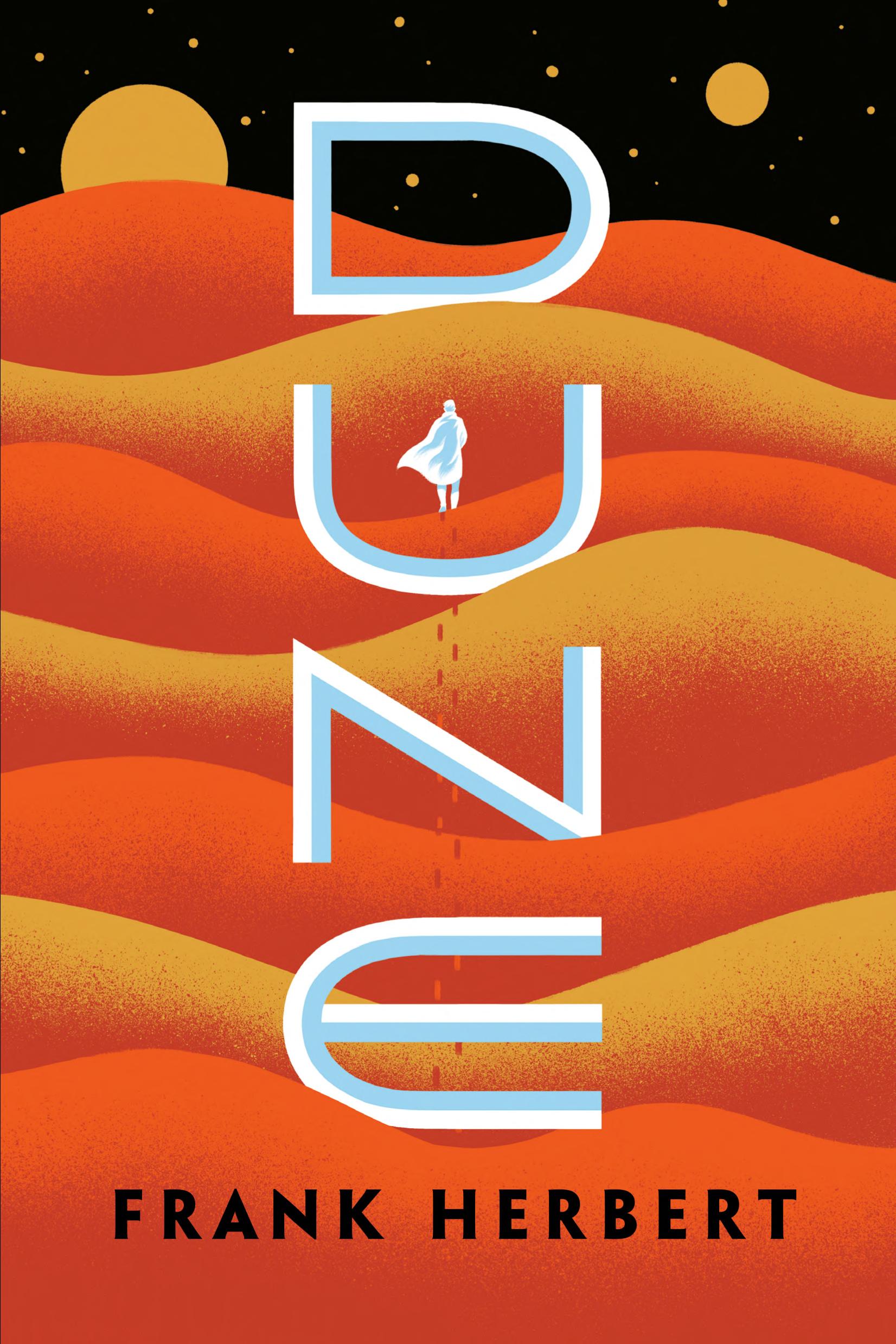
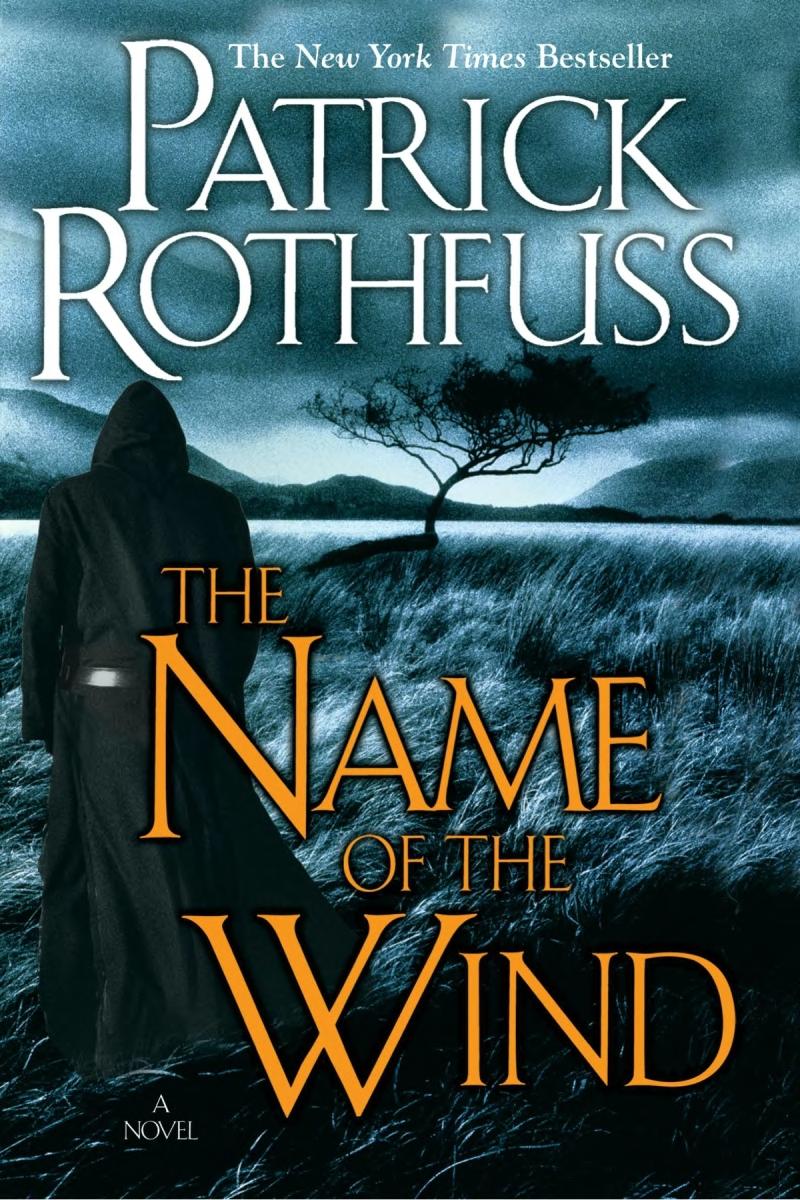
The best escapist fiction is not mindless — it is immersive. The world it creates must be coherent enough that the reader genuinely has to learn it, which means attention is occupied rather than merely distracted.
Books that escape through warmth and contained worlds
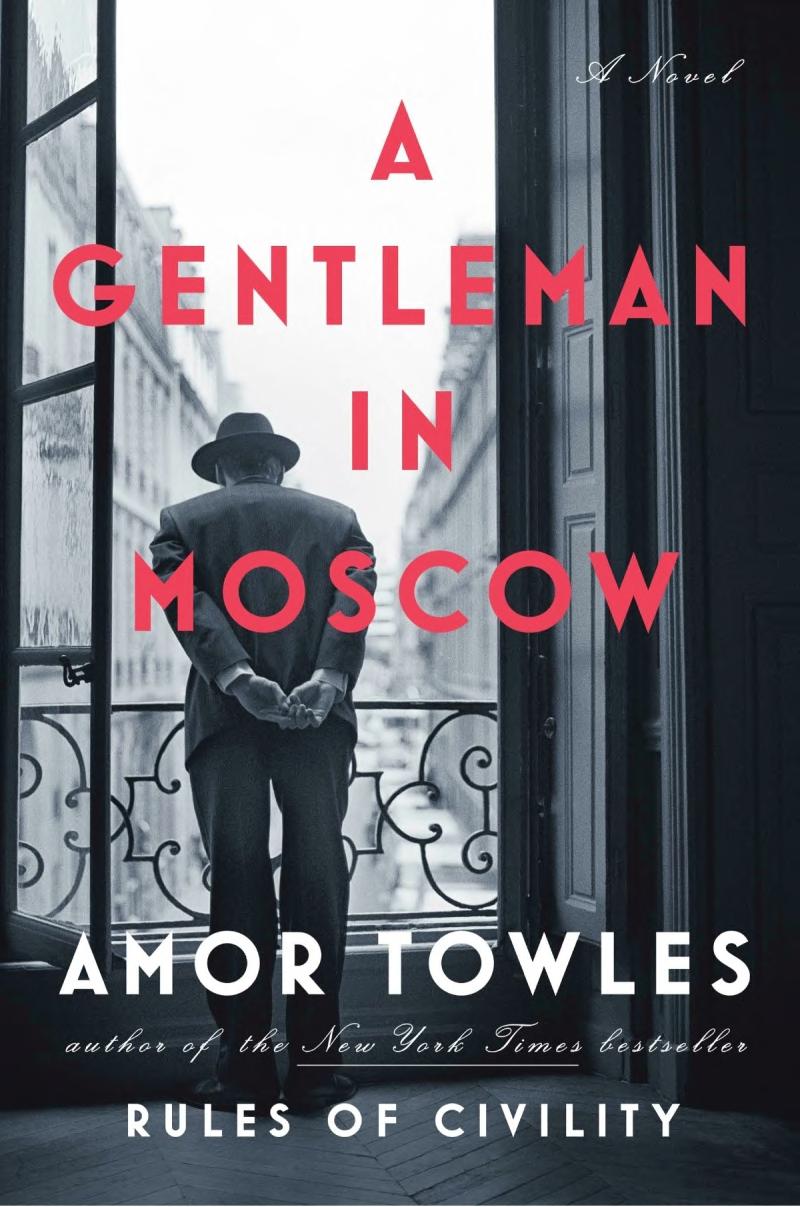
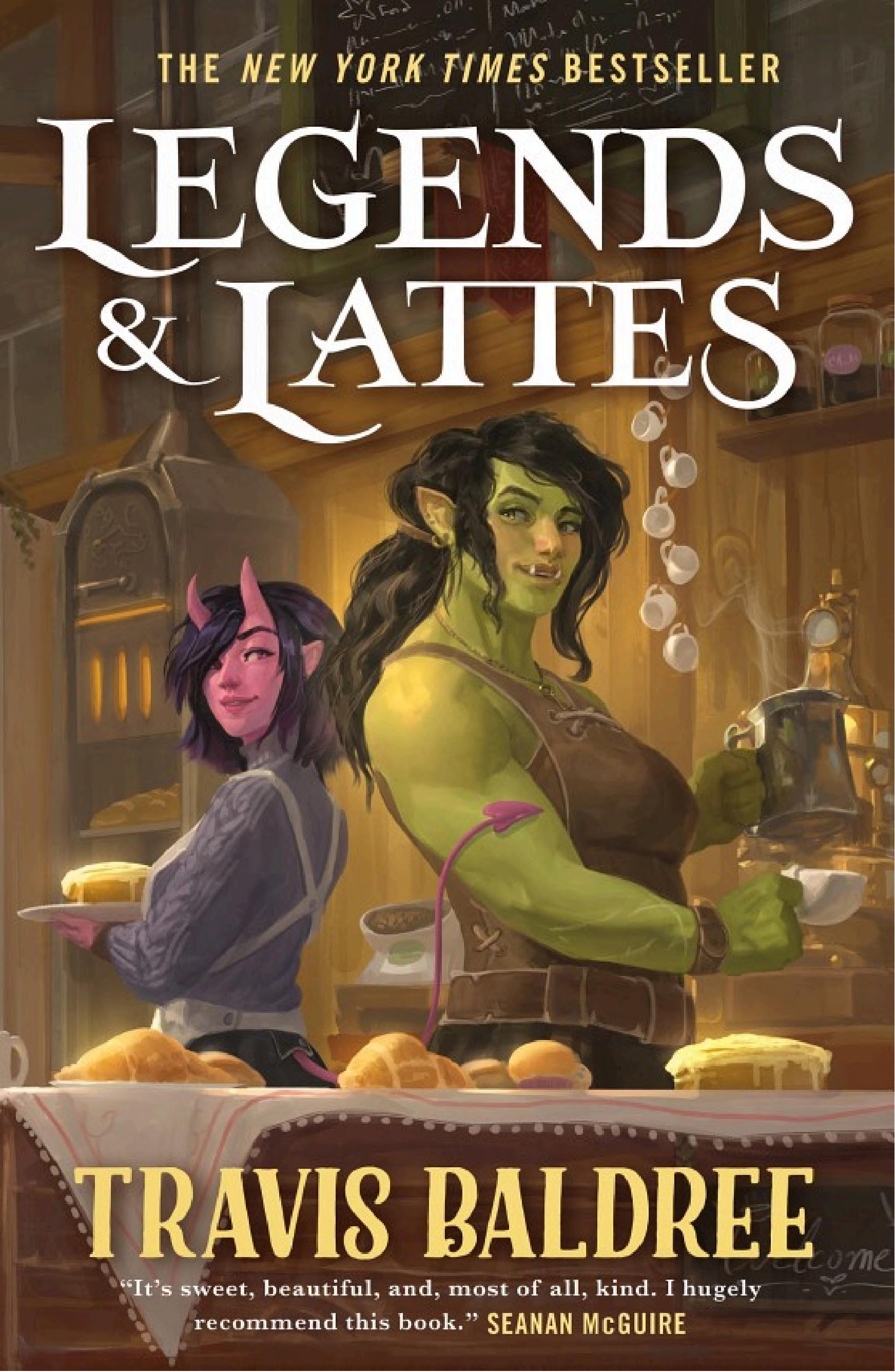
Sometimes the escape you need is not another universe but a smaller, warmer version of this one — a world where the problems are solvable and the people are kind.
Books that escape through sheer momentum
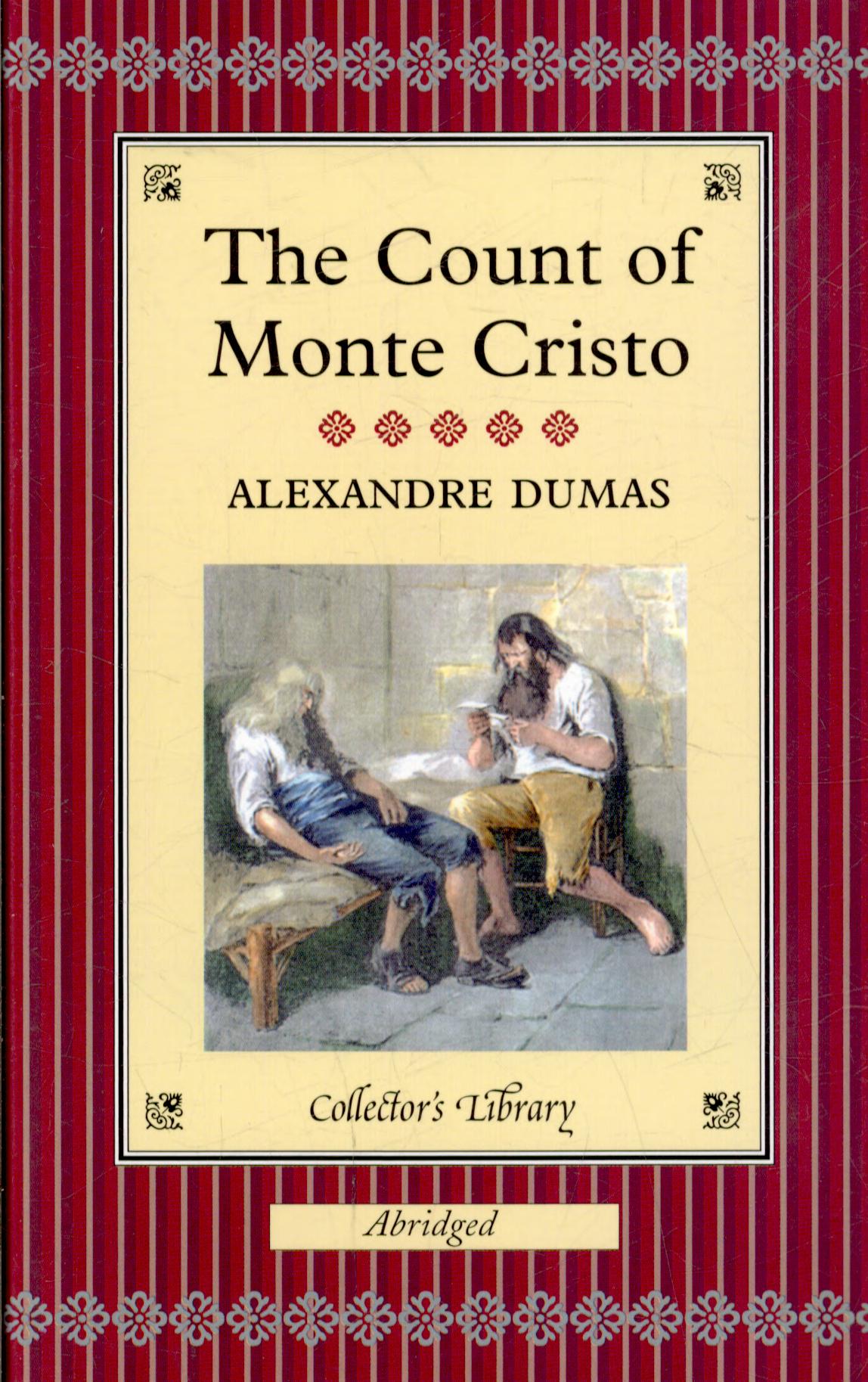
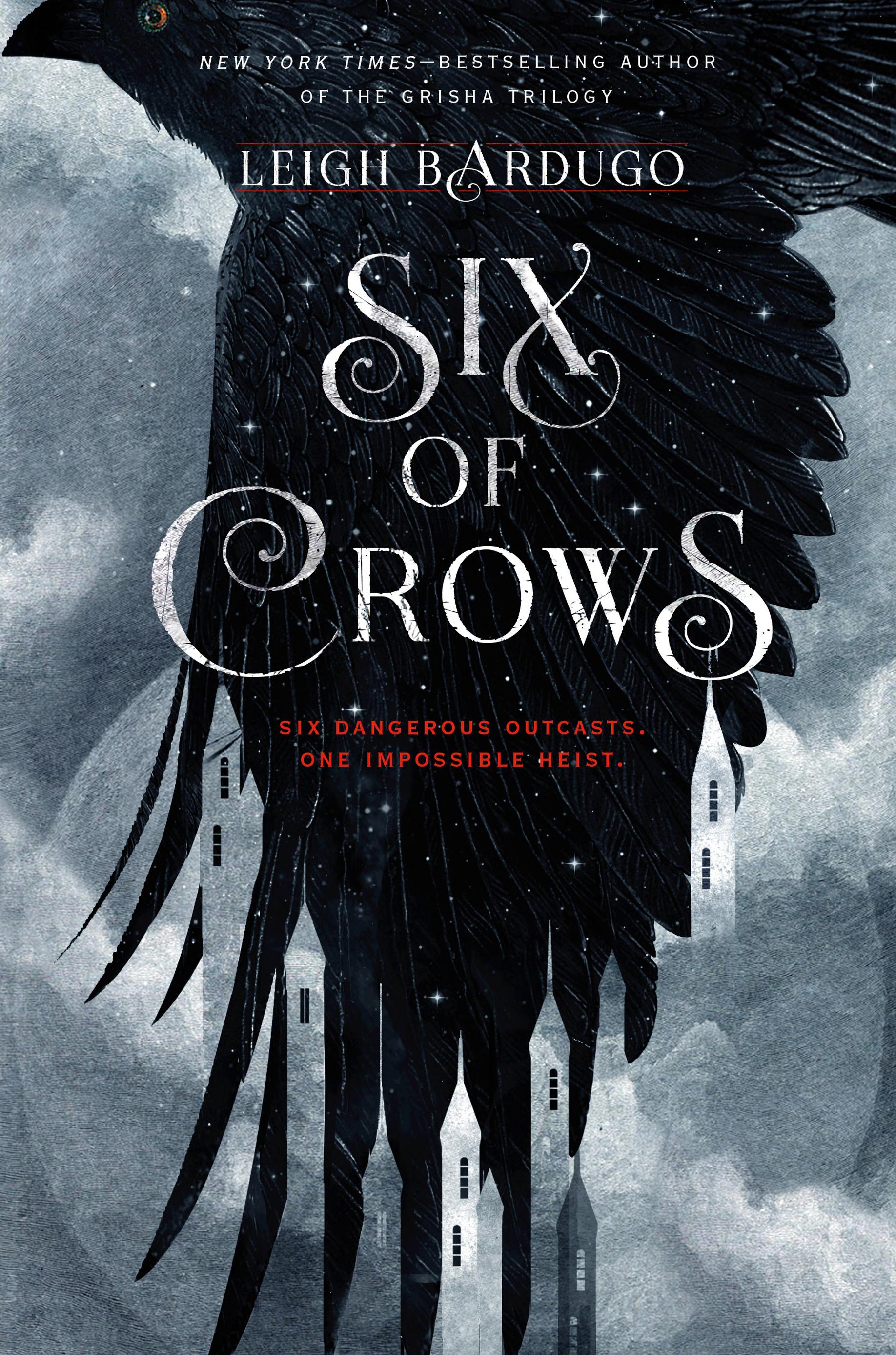
Sometimes the escape is not about the world but about the pace — a book that moves fast enough that you cannot think about anything else.
Who this is for
This list is for readers who need their own world to genuinely stop mattering for a while — not for light entertainment but for complete immersion. If you want a fully realised alternative world, Dune or The Name of the Wind. If you want warmth and containment, A Gentleman in Moscow or Legends & Lattes. If you need pace above all else, The Count of Monte Cristo or Six of Crows. Browse fantasy and science fiction for more.
Frequently asked questions
Q: What are the best escapist books to read? A: A Gentleman in Moscow by Amor Towles is the most consistently cited for warmth and containment. Dune by Frank Herbert is the most immersive alternative world. The Count of Monte Cristo is the most propulsive. Which one depends on what kind of escape you need.
Q: What fantasy books are best for escaping? A: The Name of the Wind by Patrick Rothfuss for world-building that rewards sustained attention. Six of Crows by Leigh Bardugo for pace and found-family warmth. Legends & Lattes for low-stakes cosy escape. The Stormlight Archive by Brandon Sanderson for maximum epic scope.
Q: What books are good to read when you are stressed? A: A Gentleman in Moscow is the most reliably calming — its world is beautiful, contained, and completely absorbing. Legends & Lattes has similarly low stakes. Both are warm enough that the reading experience itself functions as relief rather than just distraction.
Q: What is the difference between escapist fiction and good fiction? A: Nothing — the distinction is false. The Goldfinch, A Gentleman in Moscow, and Dune are all escapist in the sense that they create worlds you can inhabit completely. What separates them from bad escapist fiction is that they are also doing something else: making an argument, examining a character, building a world that means something. The best escapist fiction always is.
Not sure which of these is right for you specifically? The Pagesmith quiz matches you to books based on your mood, pacing preference, and reading goals — not bestseller lists. Takes two minutes.