Most books produce a pleasant version of the emotions they are trying to generate — a mild sadness, a mild warmth, a mild suspense. A small number of books produce the real thing: grief that requires time to process, joy that feels disproportionate to the situation, awe at something being said exactly right for the first time. These are the books worth reading when you want to actually feel something — not a simulation of feeling but the full version.
Books that produce genuine grief
These are not books about sad subjects. They are books where the craft is precise enough and the investment deep enough that the loss the novel produces is a real loss — one that requires recovery.
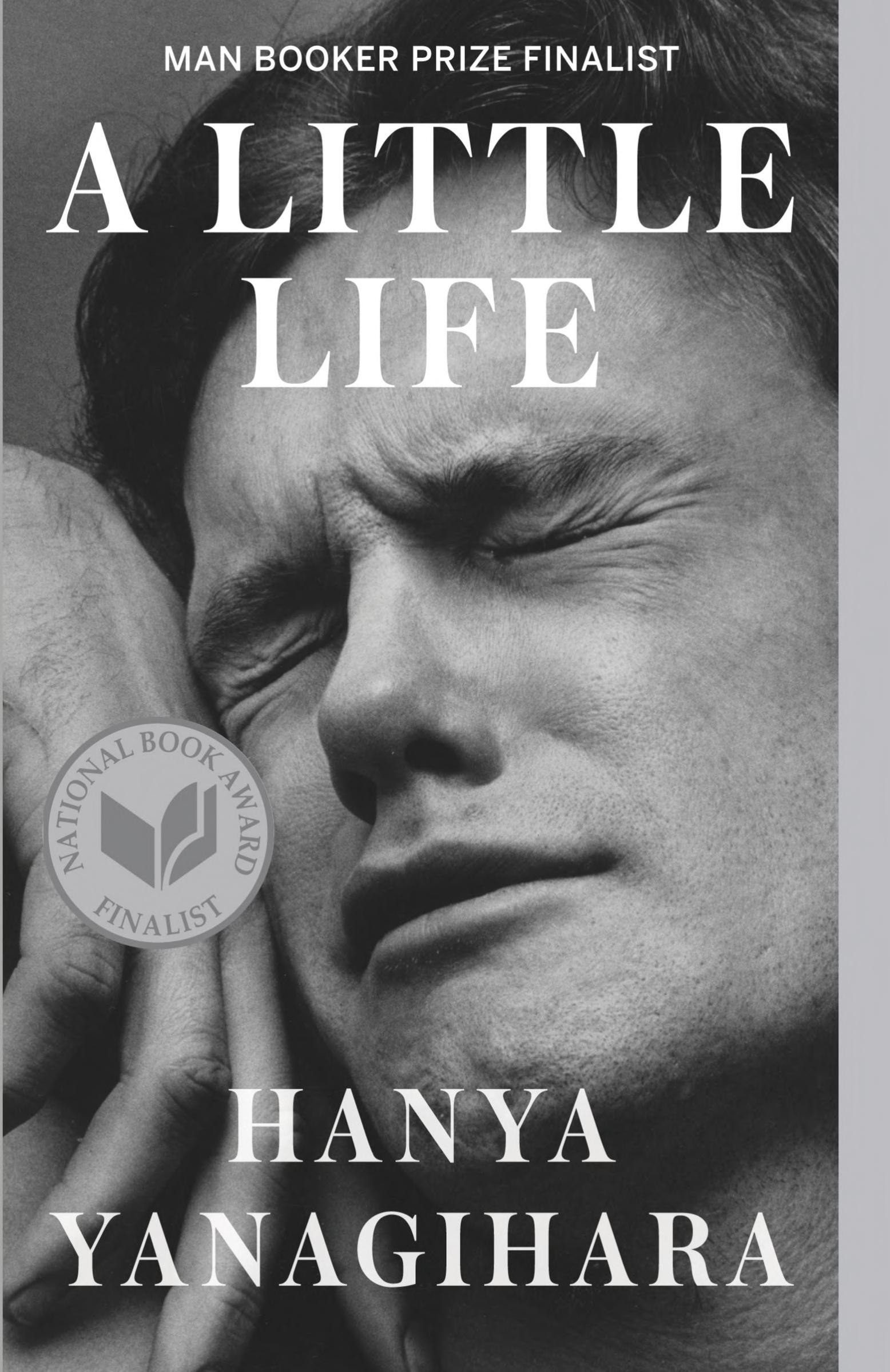
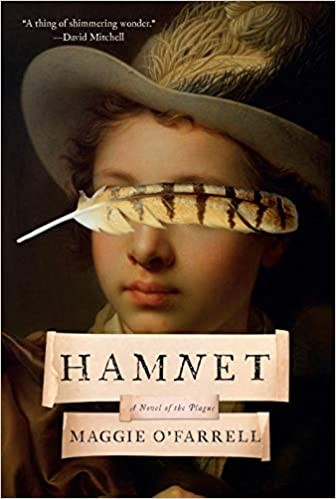
Some books produce a pleasant version of the emotions they aim for. A small number produce the real thing — grief that needs time to process, joy that feels disproportionate. These are worth finding.
Books that produce genuine awe
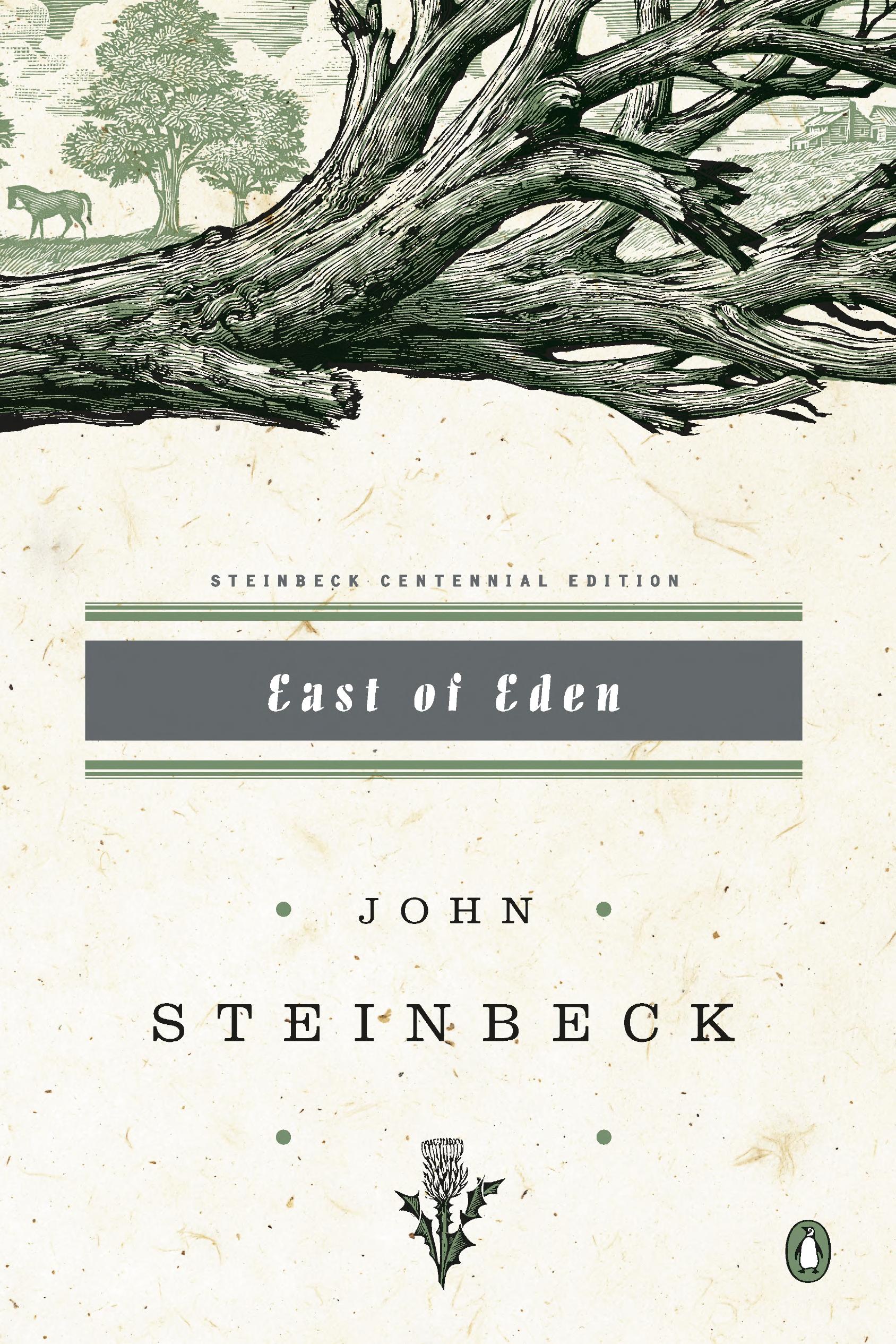
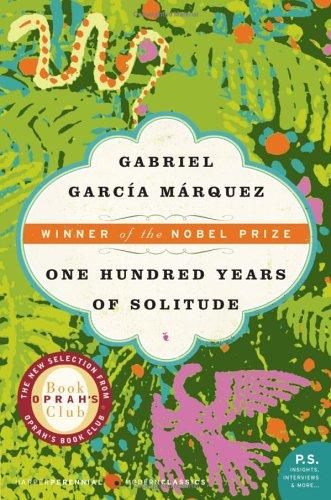
Books that produce genuine emotional catharsis
Who this is for
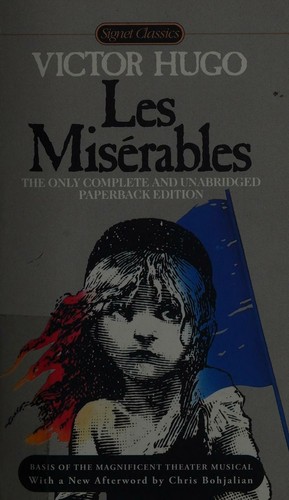
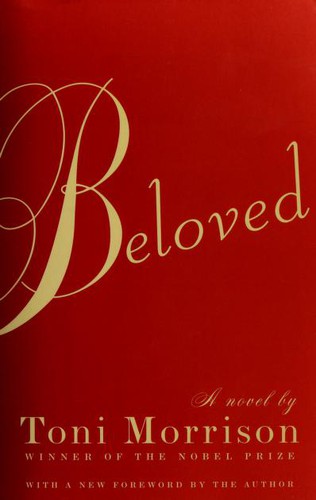
This list is for readers who are specifically looking to feel something real rather than pleasant — who find most fiction emotionally insufficient and want books that produce a genuine rather than simulated response. If you want grief, Hamnet or A Little Life. If you want awe, East of Eden or One Hundred Years of Solitude. If you want catharsis, Les Miserables or Beloved. Browse literary fiction for more.
Frequently asked questions
Q: What are the most emotionally powerful books? A: A Little Life by Yanagihara is the most deliberately overwhelming. Beloved by Toni Morrison produces the most formally demanding emotional experience. East of Eden produces the most sustained awe. Each operates differently, and which is “most powerful” depends on what kind of emotional response you are looking for.
Q: What books make you feel the most? A: This depends entirely on what you bring to the reading. Hamnet is the most consistently cited for producing genuine grief. East of Eden for producing genuine awe. Les Miserables for producing genuine catharsis. None of these produce pleasant, manageable emotions — they produce real ones.
Q: What long books are worth the emotional investment? A: Les Miserables earns its payoff completely — the length is part of the mechanism. East of Eden at around 600 pages produces its awe through accumulation that cannot be achieved more briefly. A Little Life at around 800 pages demands the time specifically because Yanagihara wants the investment to be proportional to the loss.
Q: Are there shorter books that produce a big emotional response? A: Hamnet at around 300 pages produces its grief in a much more concentrated form than longer novels. Night by Elie Wiesel at around 120 pages is the most intense short reading experience in the catalogue. The Death of Ivan Ilyich by Tolstoy at around 100 pages makes its argument about life and death with total efficiency and full emotional weight.
Not sure which of these is right for you specifically? The Pagesmith quiz matches you to books based on your mood, pacing preference, and reading goals — not bestseller lists. Takes two minutes.