Young adult fiction is the most misunderstood category label in publishing, in the opposite direction from most. People assume it means simple, which it does not. The best YA fiction deals with identity, mortality, first love, systemic injustice, and the specific terror of having to become someone — all the subjects that matter most — at the intensity level of someone experiencing them for the first time. That intensity is the genre’s defining quality and the reason adult readers return to it long after the demographic designation has ceased to apply.
What YA fiction is actually doing
The YA label describes an implied reader age rather than the content or complexity of the fiction. It means the protagonist is typically between fourteen and eighteen, the concerns are those of adolescence, and the emotional register is direct rather than ironic. None of those qualities make it lesser fiction — they make it different fiction, suited to different purposes.
The best YA novels are written by adult authors who understand that adolescence is the period when the largest questions are being asked for the first time, and that first encounter produces an intensity of feeling that adult fiction, which has learned to be more guarded, often cannot replicate. That is the quality adult readers are looking for when they read YA: not simplicity but intensity.
Young adult fiction is not fiction for younger readers. It is fiction about the specific experience of being seventeen — the intensity of feeling everything for what seems like the first time — and that experience is universal.
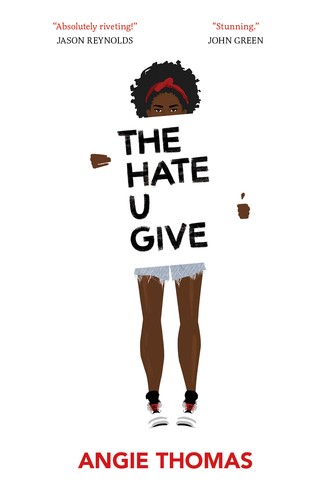
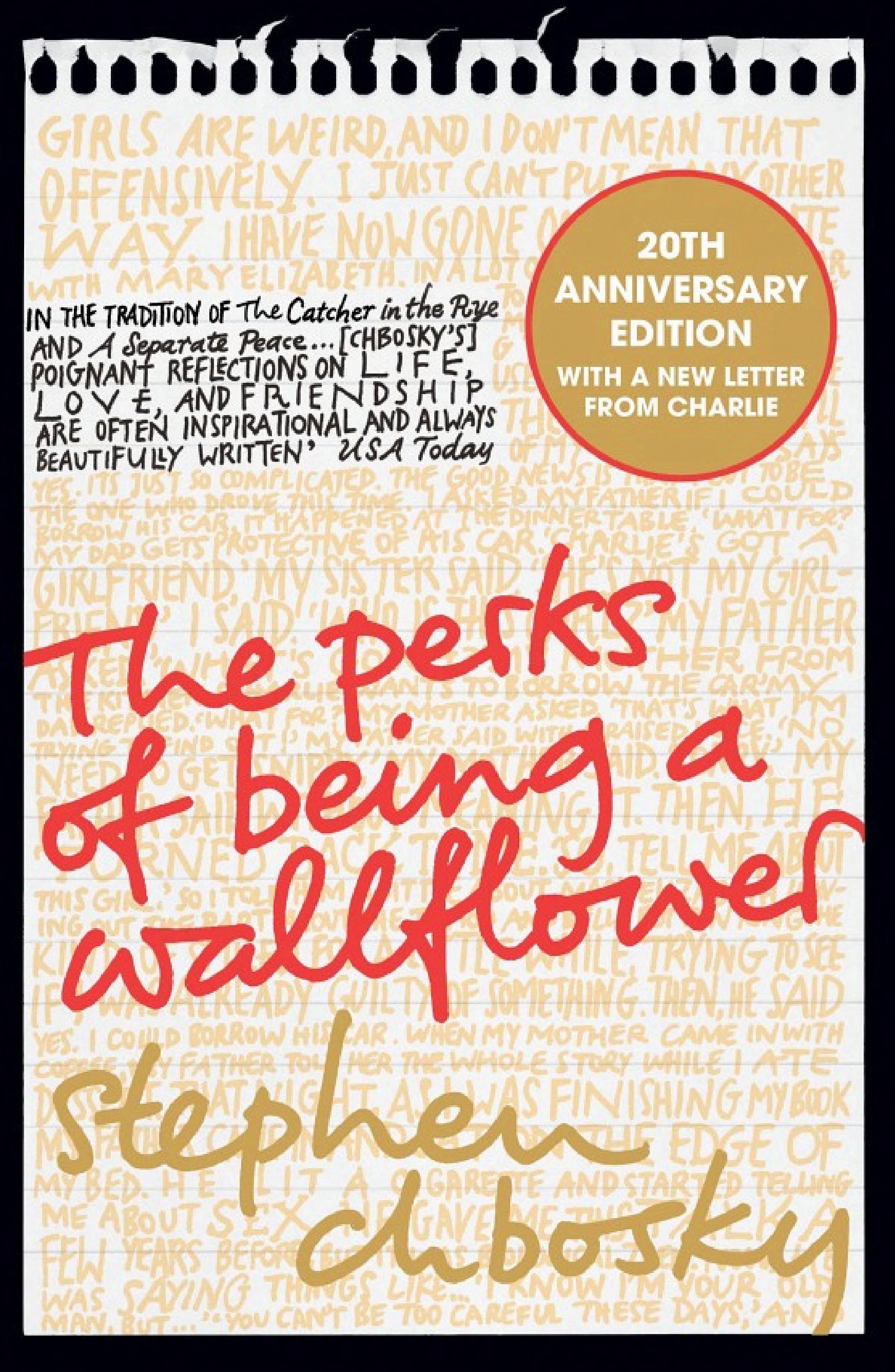
YA that reads like literary fiction for adults
These novels are recommended without qualification to adult readers — the YA label describes the protagonist’s age and concerns, not the depth or quality of the writing.
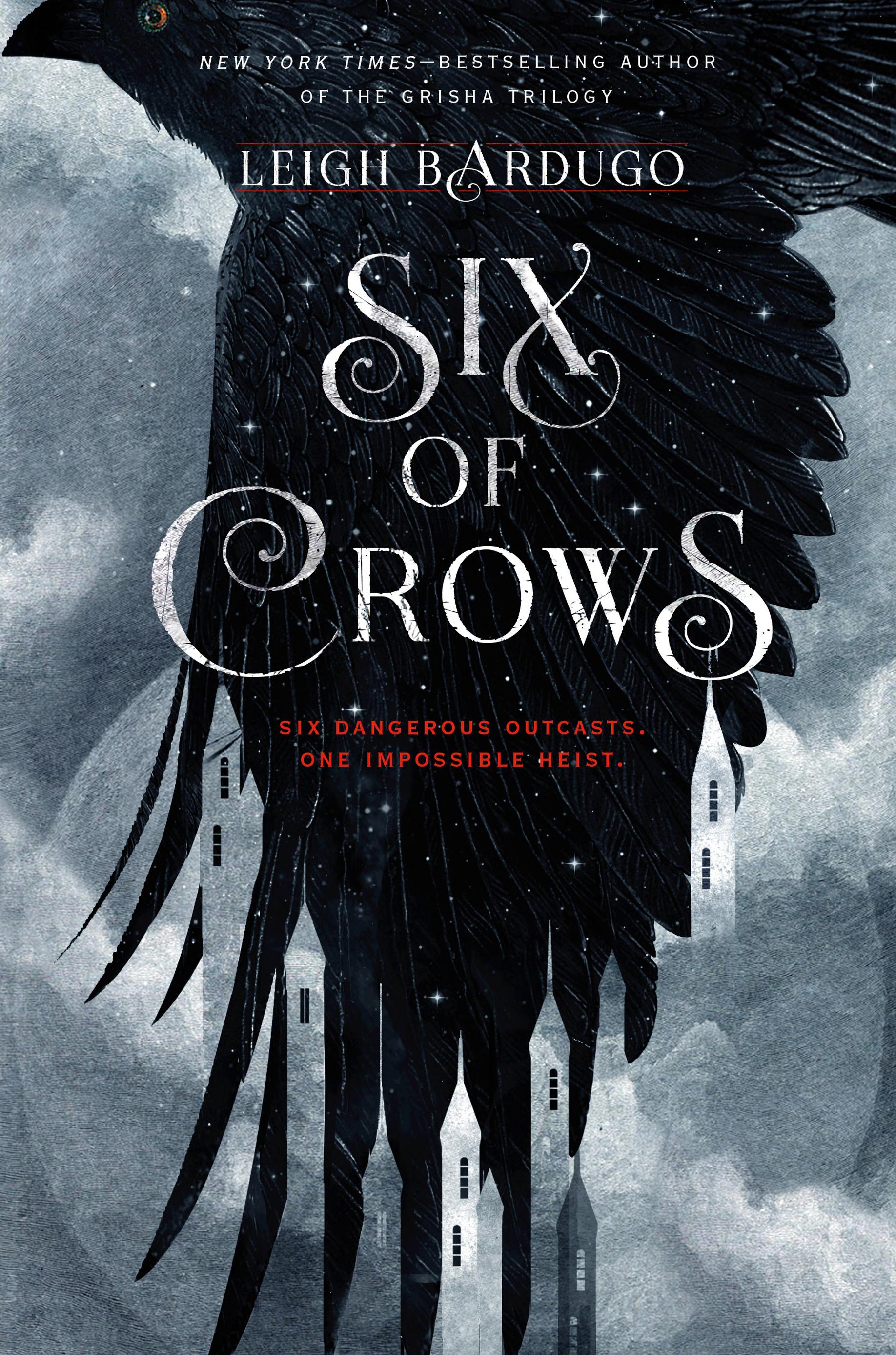
YA fantasy for adult genre readers
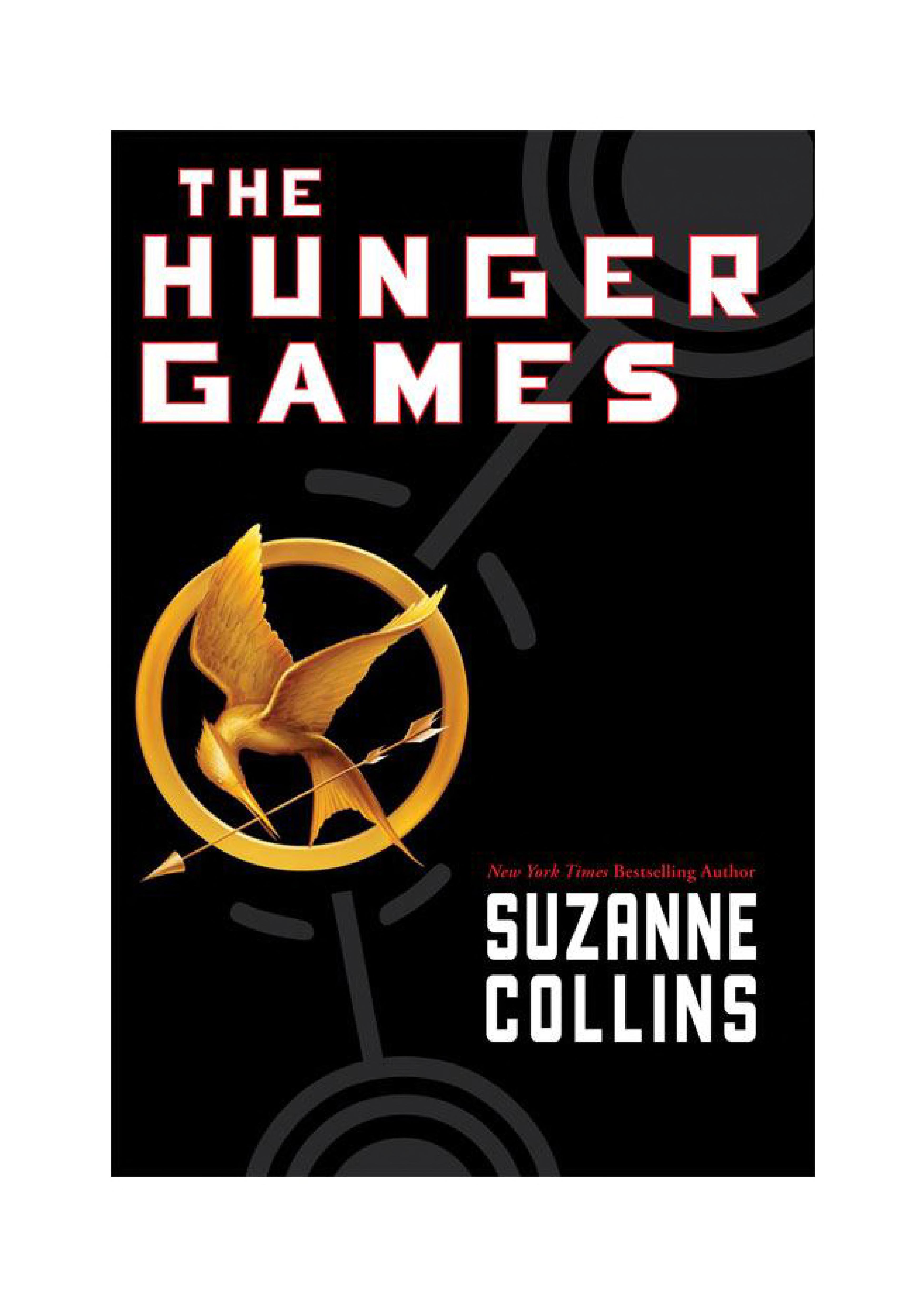
YA about emotional experiences that never stop being relevant

Who this is for
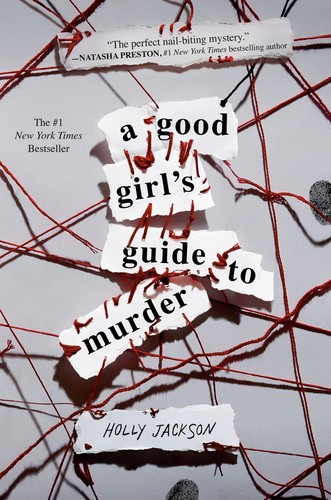
This guide is for adult readers who are either curious about YA and uncertain where to start, or who have dismissed the category and want to understand what they might be missing. Start with The Hate U Give for the most urgent and immediate. Six of Crows for the best YA fantasy. A Good Girl’s Guide to Murder for the most propulsive. The Perks of Being a Wallflower for the most interior and emotionally honest. Browse the full young adult catalogue for more.
Frequently asked questions
Q: Is it okay for adults to read YA? A: Yes, completely. The YA label is a marketing category describing an implied reader age, not a quality threshold. The best YA fiction is as sophisticated, emotionally complex, and well-written as the best adult fiction — it is simply about different concerns and told with a different kind of directness. Adults read YA because the emotional intensity of adolescence is universal.
Q: What is the best YA book to start with? A: The Hate U Give by Angie Thomas is the most urgently relevant and most immediately gripping. Six of Crows by Leigh Bardugo is the best starting point for fantasy readers. A Good Girl’s Guide to Murder is the best for thriller readers.
Q: What is the difference between YA and adult fiction? A: The protagonist is typically younger, the concerns are those of adolescence, and the emotional register tends toward directness rather than irony. YA does not mean simpler — it means the emotional stakes are those of someone experiencing these things for the first time, which produces an intensity that adult fiction, having learned to be more guarded, often cannot replicate.
Q: What YA books are worth reading as an adult who hasn’t read the genre? A: The Hate U Give and Six of Crows are the two most consistently recommended by adult readers discovering the category. The Hunger Games demonstrates what YA dystopia can do at its most politically serious. They Both Die at the End is the most emotionally direct short read in the catalogue.
Not sure which of these is right for you specifically? The Pagesmith quiz matches you to books based on your mood, pacing preference, and reading goals — not bestseller lists. Takes two minutes.